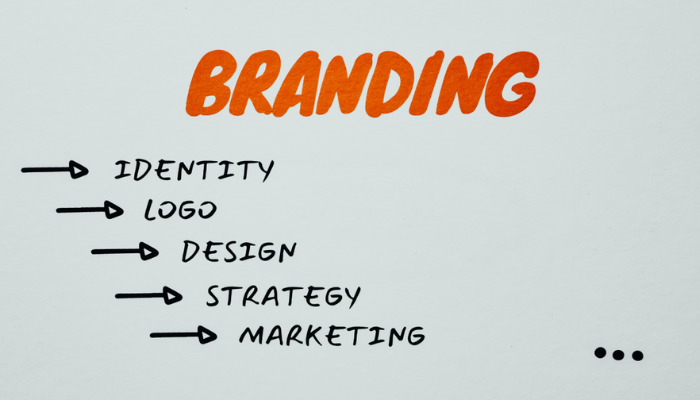
Your brand is one of the most powerful assets that your company controls. But with that power also comes great risk. When managed well, strong corporate branding builds trust, loyalty, and long-term value. On the flip side, small inconsistencies and errors can quietly erode credibility and cost real revenue.
The power and price of corporate branding
Most people associate corporate branding with logos, colour pallets, fonts, or catchy slogans. But really it is the sum of how a company presents itself to the world through every product, service, document, and employee interaction. Corporate branding defines what the business stands for, how it communicates, and the experience it consistently promises to all of its stakeholders.
Why strong branding builds long-term value
When corporate branding is done well, it creates clarity and trust. Customers know who you are, what you deliver, and why they should choose you over competitors. That consistency builds loyalty, fuels word-of-mouth, and increases brand equity. Internally, a strong brand aligns employees around a shared mission and culture, helping attract and retain top talent.
The hidden cost of inconsistency
Branding can also backfire when it is not managed carefully. A mismatched logo on a sales proposal, a presentation that uses the wrong colours, or a document that includes incorrect business information may all seem like small details. But together, they create a patchwork image that weakens trust. Prospects may question whether your company is as reliable as you claim, and employees may feel unsure about which materials to use.
The real cost is compounded by small errors over time. Each inconsistency chips away at the story your brand is trying to tell. The result is diluted credibility, wasted effort from marketing and sales teams, and an erosion of the brand equity you’ve worked hard to build.
Corporate branding vs. marketing
It’s easy to confuse corporate branding with marketing, but they play different roles. Corporate branding is the long-term foundation—the identity and values that underpin everything else. Marketing is campaign-based, focused on products or services within a given timeframe or context. Both are essential, and effective marketing campaigns often depend on a strong foundation in corporate branding.
Corporate branding: The shortcut to customer trust and loyalty
People do not just buy products; they buy the story behind them. A strong corporate brand creates familiarity and signals reliability, making it easier for customers to choose you over a competitor. When every interaction feels consistent, customers gain confidence. Over time, this consistency build loyalty. Customers are more likely to return to brands they trust and recommend them to others, creating a cycle of credibility that no ad campaign alone can buy.
Winning the war for talent
Internally, corporate branding is just as important, as it affects how employees feel about working there. A strong corporate brand makes it clear what the company stands for and why it matters. That clarity helps attract people who share the same values and gives current employees a sense of pride and belonging. In today’s job market where skilled workers have plenty of options, a trusted corporate brand can be the deciding factor in winning and keeping top talent.
Standing out in crowded markets
Corporate branding helps companies carve out a distinctive place in the market by clearly defining what sets them apart. It turns abstract values like innovation, reliability, or sustainability into visible proof. A company with a strong brand is a leader within its category. This positioning strengthens negotiating power, supports expansion into new markets, and allows companies to weather changes in consumer trends.
Corporate branding services that bring strategy to life
Building a strong brand is just the first step. The real work is in managing it every day. Even the best strategy falls apart if employees cannot apply the brand consistently. That is why most companies combine creative partners with digital tools to keep their brand on track.
Branding agencies and design studios: Shape or refresh identity, create logos and visual systems, and provide storytelling frameworks.
Consultancies: Align branding with broader business strategy, culture, and market positioning.
Technology platforms: Offer digital brand guidelines, asset libraries, and content management systems that make assets easy to find and use.
Internal brand teams: Act as guardians of brand standards, training employees and monitoring compliance across channels.
But even with the best tools and resources in place, brand inconsistencies happen all the time. The biggest culprit? Business documents.
Most business communication still happens in everyday tools like Word, Powerpoint slides, and e-mails. This is also where brand mistakes most often creep in.
How to build a corporate branding strategy that sticks
1. Start with your “why”
Every strong brand begins with purpose. Define why your company exists beyond profit and how you want to be seen in the market. Position your brand clearly against competitors so customers understand your unique value.
2. Put rules in writing
Brand guidelines are your guardrails. Document your visual identity (logos, colours, fonts, imagery) as well as tone of voice and messaging principles. Clear guidelines make it easy for employees, agencies, and partners to stay on the same page.
3. Bake branding into daily work
A strategy is only as strong as its execution. If employees cannot find the right template or asset, consistency falls apart. Embedding branding into everyday tools like documents, e-mails, and presentations ensures your identity shows up everywhere without extra effort.
Protecting the value your brand creates
Corporate branding is a living asset that can either compound in value or quietly diminish depending on how well it’s managed. The upside is enormous: stronger customer trust, loyal employees, and measurable equity. The downside is equally real: inconsistent visuals, off-brand messaging, and credibility lost in an instant.
Last line
Treat corporate branding as high-stakes work. Invest in strategy, build clear guidelines, and make sure every touchpoint reinforces the same story. Then give employees the tools to execute consistently. That’s how companies protect their brand value and turn it into a long-term advantage.

Join BusinessDay whatsapp Channel, to stay up to date
Open In Whatsapp