Nigeria’s retail appliance market has a structural problem that discounts alone cannot fix. Demand for quality household goods is not in question, but the mechanism of purchase is.
NBS data shows real household consumption expenditure contracted sharply through 2024, with price-driven nominal growth masking actual declines in purchasing power. What this means on the ground is that Nigerian consumers increasingly want quality but cannot always mobilise the full cost at the point of sale.
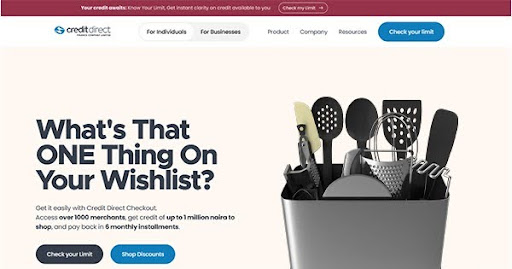
Credit Direct Finance Company Limited, authorised and regulated by the Central Bank of Nigeria, is advancing a specific answer to that problem through Credit Direct Checkout, its Buy Now, Pay Later platform. The most recent expression of that strategy is a curated appliance offering across partner merchants, including Electromart, Sims Nigeria, and Eight Sage, targeting the kitchen segment with products accessible with just 25% down and payments spread over up to six months.
The commercial logic is worth examining. According to a Q1 2026 industry databook published on Research and Markets and reported by Punch Nigeria, Nigeria’s BNPL market recorded a compound annual growth rate of 25.9% between 2022 and 2025, reaching a value of $1.55 billion.
The market is projected to grow at 16.1% annually through 2031, reaching USD 3.96 billion. The structural driver is the persistent mismatch between monthly income cycles and non-monthly spending needs, particularly acute for household appliances, where a single purchase can represent a significant portion of a month’s income.
RBC Capital Markets estimated in a 2021 retail payments outlook that BNPL availability increases retail conversion rates by 20% to 30% and lifts average ticket size by 30% to 50%. These are global figures from mature markets, and the specific uplift varies by category and context, but the underlying mechanism is consistent: when customers are no longer constrained by what they can pay upfront, they choose better and abandon fewer transactions.
The risk architecture is significant from a merchant perspective. Under the Credit Direct Checkout model, the credit assessment, customer approval, and repayment collection sit entirely with Credit Direct. Merchant payouts land within 24 to 48 hours of the transaction. The merchant bears zero default exposure, which is the critical structural difference from the informal instalment arrangements many Nigerian retailers have historically managed at significant operational cost and bad debt risk.
The April 2026 partnership between Credit Direct and vivo Nigeria, targeting sales of over 200,000 devices, illustrates the platform’s appetite for category-level scale. The appliance push follows the same template: identify high-desire, high-price-sensitivity categories, embed BNPL at the point of sale, and convert latent demand into completed transactions.
Retailers operating in electronics, home appliances, and furniture who are not yet on the platform can apply at www.creditdirect.ng/credit-direct-checkout. Consumer credit limits of up to ₦1,000,000 are available, with eligibility assessable in under five minutes at www.creditdirect.ng/know-your-limit.
The wider implication for Nigeria’s retail sector is structural. As formal BNPL infrastructure matures, the competitive disadvantage of merchants who cannot offer payment flexibility will compound. The customers are already actively looking for instalment options. The question for any retailer in a high-ticket category is whether their store appears when those customers search.

Join BusinessDay whatsapp Channel, to stay up to date
Open In Whatsapp