…Example of Rwanda leveraging football for nation’s marketing
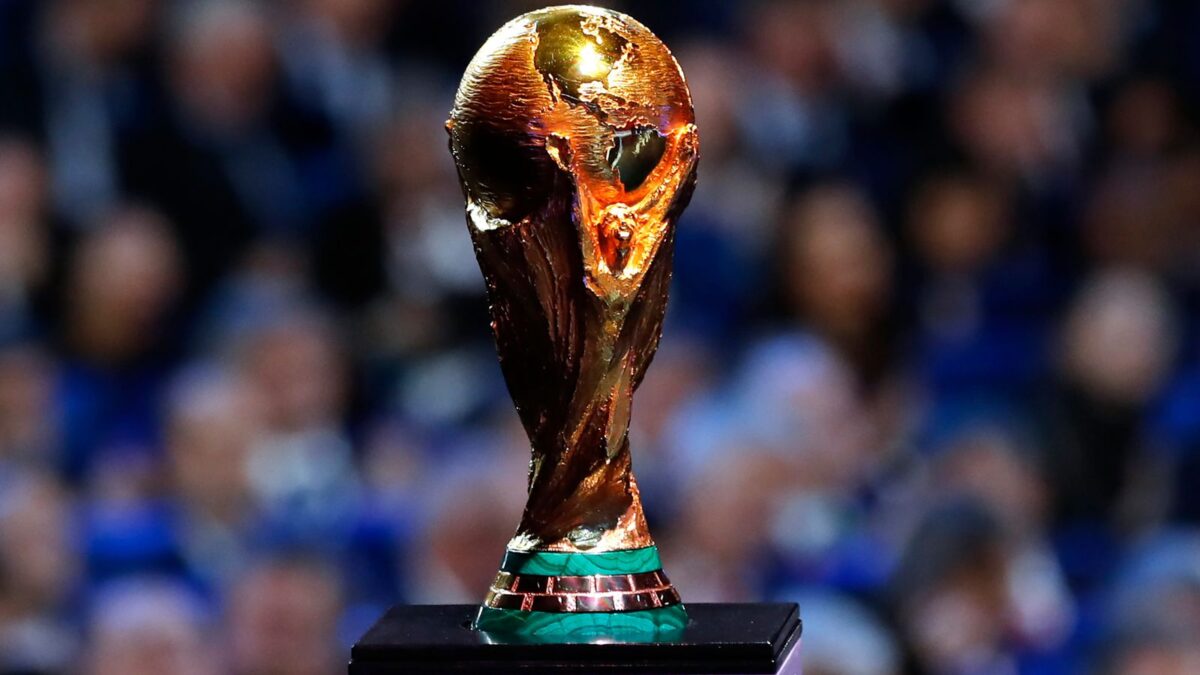
The FIFA World Cup stands as football’s ultimate spectacle, a quadrennial global festival that unites nations and captivates billions. First held in 1930 in Uruguay, where the hosts triumphed in a 13-team tournament, the competition has grown into a powerhouse event featuring 48 teams in its 2026 edition in North America.
Brazil leads with five titles, followed by Germany and Italy with four each. Argentina claimed the 2022 crown.
Beyond the on-pitch drama, the World Cup embodies far more than sport—it’s a colossal business engine driving sponsorships, broadcasting rights, and national branding worth billions.
Today, football transcends the pitch to become a high-stakes industry. It generates enormous economic value for stakeholders through broadcasting deals, merchandising, tourism, and endorsements. Nigeria’s Super Eagles have graced the World Cup stage multiple times, producing icons like Jay-Jay Okocha, Ahmed Musa, Nwankwo Kanu, Vincent Enyeama, and more recent talents. Yet, while the nation celebrates these heroes during tournaments, their potential for diplomatic assets remains vastly underutilized.
Football as Big Business: Lessons from the Premier League
Nowhere is football’s commercial power more evident than in England’s Premier League. Independent research from EY for the 2023/24 season reveals it generated £9.8 billion in gross value added (GVA) to the UK economy—a 21% rise from recent years and over 14 times higher than in 1998/99. It supports more than 100,000 full-time jobs and contributes £4.4 billion in taxes, funding public services. Over 60% of this impact comes from clubs outside London, boosting regional economies.
Clubs attract global audiences, with matches drawing average crowds exceeding 40,000 and billions tuning in via TV. This economic ripple effect—jobs in hospitality, media, retail, and beyond—shows how structured leagues turn passion into prosperity.
Rwanda’s Masterclass in Sports Diplomacy
Rwanda offers a compelling blueprint for leveraging football for national promotion. Through its “Visit Rwanda” campaign, the country secured high-profile sleeve sponsorships with Arsenal (2018–2026, worth around £10 million annually initially), plus deals with PSG, Bayern Munich, and others. The partnership with Arsenal significantly boosted tourism: visitor arrivals reached 1.3 million in 2024, with revenues hitting US$650 million—a substantial increase since the deal began. It showcased Rwanda’s beauty, conservation efforts, and stability to millions of fans worldwide.
This “soft power” strategy transformed Rwanda’s global image and drove foreign investment and tourism growth. Nigeria, with its rich culture, vibrant diaspora, and football pedigree, could achieve even greater impact.
Nigeria’s Untapped Goldmine: Football Icons with Nigerian Blood
Nigeria boasts a deep talent pool—homegrown legends and diaspora stars like Bukayo Saka (of Nigerian heritage). Yet, post-career narratives too often focus on health struggles, financial woes, or limited roles rather than strategic empowerment.
Many former stars fade from national prominence, appearing more in stories of ailment than active contribution.
They rarely feature prominently in presidential entourages or state visits, despite being far more popular and credible than many politicians.
Success stories exist—some have built transport businesses, media ventures, or academies—but systemic involvement lags. The system has not maximised these golden nuggets.
How to Better Utilise Our Football Greats
1. Youth and Grassroots Support: Icons should lead academies, talent hunts, and community programs. Their presence inspires the next generation and builds sustainable pipelines, mirroring successful models elsewhere.
2. Sports Administration and Governance: Appoint former stars to key roles in the Nigeria Football Federation (NFF), league management, and policy. Their on-field credibility and global networks can professionalize domestic football, attract investment, and reduce administrative pitfalls.
3. Brand Ambassadors for Government Programmes: Use their images for public education, health campaigns (e.g., anti-malaria, fitness), tourism (“Visit Nigeria”), and youth empowerment. A Kanu or Mikel fronting initiatives carries authenticity that politicians often lack, driving engagement and results like Rwanda’s tourism boost.
4. Media Punditry, Coaching, and Mentorship: Elevate them as analysts on national broadcasts, coaches in youth setups, or mentors. This creates income streams while enriching the ecosystem.
5. Diplomatic and Presidential Engagements: Include football legends in state visits, trade delegations, and international forums. Their star power opens doors in Africa, Europe, and the diaspora that traditional diplomacy might not.
Collaboration is a clear win-win. Brands gain credibility and reach (as seen with recent ambassador deals), the government amplifies messages cost-effectively, fans stay connected to heroes, and stars build sustainable legacies.
Nigeria’s World Cup heroes are more than memories of 1994, 1998, or 2014 glory—they are living assets with global appeal, integrity, and influence.
By moving beyond occasional endorsements or crisis appeals to structured, strategic integration, the nation can harness their power for economic growth, youth development, tourism, and international branding.
Football is already bigger than sport; it’s time Nigeria treats its icons as the potent marketing and diplomatic force they truly are.
The Super Eagles’ legacy need not end at the final whistle—it can fuel a stronger, more vibrant Nigeria for generations.
Michael Umogun works with The Insight Place Nigeria [email protected]

Join BusinessDay whatsapp Channel, to stay up to date
Open In Whatsapp