As conversations around healthcare in Nigeria continue to focus on hospitals, doctors, and medical technology, one critical component of the healthcare system often receives little attention: caregivers.
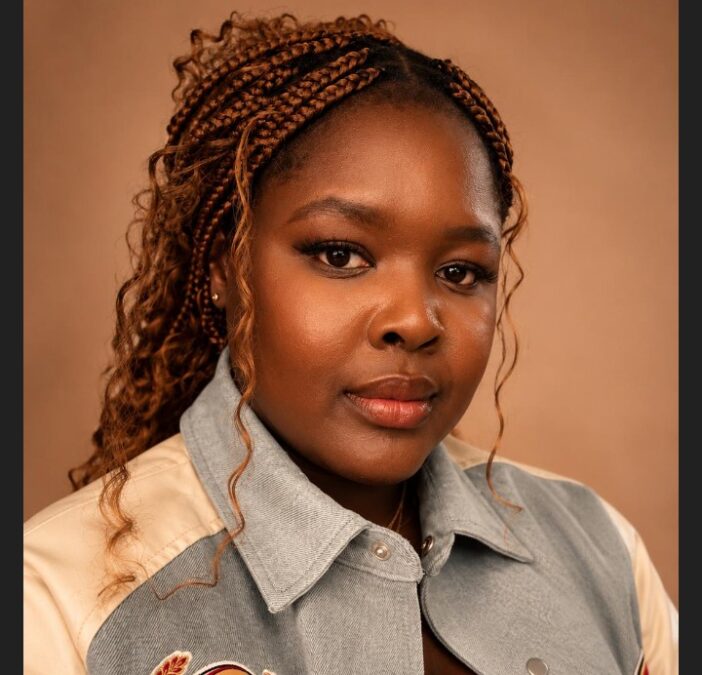
For Blessing Usman, a care professional with over a decade of experience supporting elderly people, individuals living with disabilities, and vulnerable adults, the future of healthcare must include greater recognition for caregivers and the role they play in improving quality of life.
According to her, caregiving extends far beyond helping people with daily tasks. It is about preserving dignity, promoting independence, and ensuring that vulnerable members of society remain connected to their communities.
“In many cases, caregivers become the bridge between a patient and the life they want to continue living,” she explains. “The support may seem simple from the outside, but it often determines whether someone can live confidently and comfortably.”
Nigeria’s population is growing, and with increasing life expectancy comes a rising need for long-term care services. Families are also becoming more mobile, creating situations where elderly relatives require professional support.
Yet despite this growing demand, caregiving remains one of the most undervalued professions in the country.
Industry experts believe that strengthening the care sector could generate employment opportunities while reducing pressure on hospitals and family members. Properly trained caregivers can help manage chronic conditions, support rehabilitation, and improve mental wellbeing among vulnerable populations.
Blessing Usman believes there is also a strong economic argument for investing in caregiving.
“When families have access to reliable care support, they are more productive. They can focus on work, business, and education knowing their loved ones are receiving proper attention,” she says.
She advocates for greater collaboration between healthcare institutions, policymakers, and private sector stakeholders to develop structured caregiving programs, professional standards, and public awareness initiatives.
As Nigeria seeks innovative ways to strengthen its healthcare system, voices like Blessing Usman’s are drawing attention to a simple but powerful reality: healthcare does not begin and end in hospitals. It continues every day in homes, communities, and care environments where compassion and support make a measurable difference.

Join BusinessDay whatsapp Channel, to stay up to date
Open In Whatsapp