
The beginning of natural; my natural.
It’s been almost ten years since I walked into the salon at Oku street in Uyo, Akwa Ibom State and made the decision never to put another relaxer on my hair.
To this day, I have never understood why it’s called a relaxer. There was nothing relaxing about it. My scalp would sting, burn, and itch, and after every session, I found myself dealing with the aftermath rather than enjoying the results.
The day I stopped relaxing my hair was, in every sense, ordinary. I had spent hours moving from one beauty supply store to another in search of a relaxer that was supposedly great for “virgin” hair. Seven shops later, exhausted and frustrated, I walked into an eighth store.
The attendant asked me what I wanted to do with my hair. Without thinking, I replied, “Twists. With my natural hair.” The look on their faces made me feel as though I had grown horns. I was told it wouldn’t be possible. My hair texture, they said, wasn’t right for the style I wanted. Besides, they didn’t really do natural hair there. Disappointed but strangely determined, I left and headed to another salon.
That decision changed everything.
There, I was told I didn’t need a relaxer. I didn’t need imported hair. I didn’t need to transform my hair into something else entirely. The stylist simply worked with what I already had.
He showed me how to use my new growth, my so-called “undergrowth,” and for the first time, I saw my hair differently.
For the first time, I saw what it could do. I was proud of my natural hair.
Looking back now, I realise I couldn’t have been alone in that journey.
The truth is, many of us grew up learning to admire every hair texture except our own.
The Painful truth of Natural
The media did a number on us.
I grew up wanting hair like Rihanna’s. Like Anita Baker’s. I saw silky hair.
Flowing hair. Hair described as beautiful, lush, and desirable. I saw straight hair celebrated everywhere—in magazines, music videos, films, and advertisements.
What I rarely saw was hair that looked like mine.
I didn’t see tightly coiled strands being called elegant. I didn’t see afros described as professional. I didn’t see kinky hair presented as something to be admired rather than managed.
So, when I finally chose to go natural, I wasn’t just learning how to care for my hair. I was unlearning years of messaging that told me my hair needed fixing before it could be beautiful.
That journey was harder than I expected.
There were no roadmaps. Few tutorials. Not many people around me who understood what I was trying to do.
Every stage felt like an experiment.
But somewhere between the twists, the shrinkage, the wash days, and the moments of frustration, something shifted. My hair stopped being a problem to solve. It became a story to understand, a connection to who I was before beauty standards, before advertisements, before anyone convinced me that my crown needed to look like someone else’s to be worthy.
Today, when I wear my afro, styled or as is, I am not just wearing a hairstyle. I am wearing acceptance. I am wearing the version of myself that finally learned that the hair growing naturally from my head was never the issue. It was the way I had been taught to see it.
I believe we have all struggled to get to this point and if you have not, well, welcome to the journey of acceptance.
No, the journey has been nothing easy, in truth it has its challenges seeing as you are not just fighting a battle of acceptance from others but also of self esteem and love, love of what is yours and love of what has always been imbedded in our roots.
Where do we go from here?
Easy, back to our roots. I mean this figuratively and in literal sense.
For the latter? Well, I have had proper experience in this and I would say it is for the best. Take the hair down. The hair filled with products you can’t even pronounce and I am sure you are not aware of said products side effects. No need to worry, it always grows back. Mine did, yours will too.
For the former? we need more information on our hair, what causes it shrink, what makes it shine, what keeps it long and healthy, what to do to make it a proper crown. This knowledge needs to be learnt and then passed down from generations to generations and NO, it is not for the girlies only, my men are in it too.
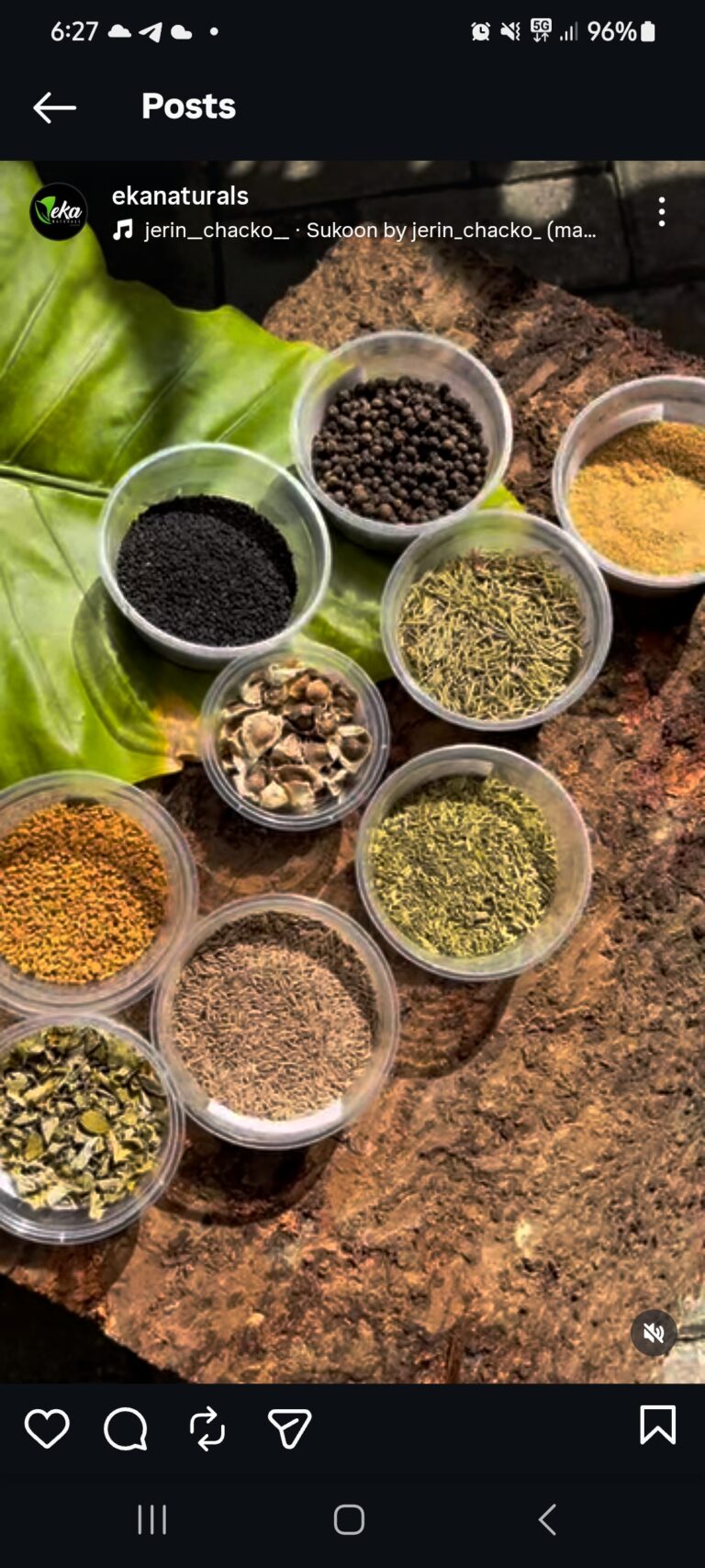
I have been following Njideka of Ekanaturals for a while now and through here page I have learnt that my natural hair needs to be fed to remain healthy. When I say fed I mean actual food and spices.
My advise?
Go back to your roots, whatever that may mean for you. Cut the hair and start over or as I did, take off the edges and using the ‘undergrowth’ start a new journey.
If you love our hair, your hair, learn more about it and start teaching it.
Something I know I do a lot is tell people what I am excited about and this helps me better process the information as well remember and learn more about said topic. You should do the same with hair.
I am still in the learning process and I am happy to be your guide to understanding better our history through our roots.
Did you know; during the slave trade era our people used hair styles as maps and guides to escape traders?
Well, we would be looking deeper into this as I give you tips on starting your natural hair journey next week.
Till then, as my people would say ‘Asiere’(Goodbye)

Join BusinessDay whatsapp Channel, to stay up to date
Open In Whatsapp