The Nigerian economy is changing faster than our mindset.
A generation ago, success followed a familiar script: earn good grades, obtain a university degree, secure a white-collar job and climb the corporate ladder.
Today, that script has been disrupted. Young Nigerians are building million-naira businesses from smartphones, exporting creativity to global audiences, earning foreign exchange through digital platforms and creating jobs in industries that barely existed two decades ago.
Yet, while the economy evolves, many of our attitudes remain trapped in the past.
Every day on social media, successful content creators, entrepreneurs, comedians and influencers are dismissed with one word:
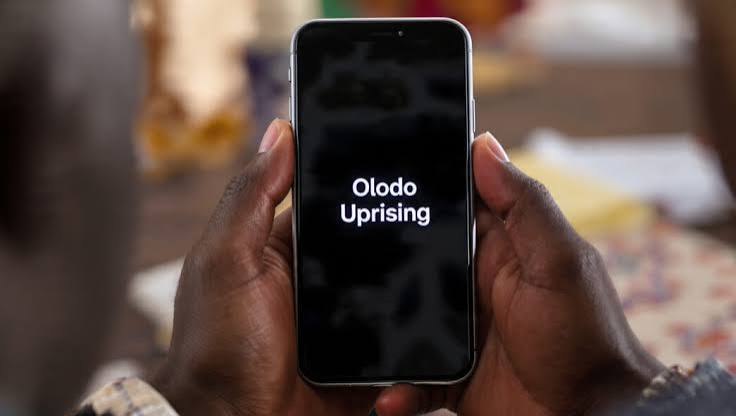
“Olodo.”
In Yoruba, olodo means a dull or unintelligent person. In contemporary Nigeria, however, the word has taken on a broader and more damaging meaning. It has become a label for anyone who did not attend university, struggles to speak polished English or fails to fit society’s narrow definition of being “educated.”
The irony is striking.
Many of the same people mocked as olodo are generating wealth, employing graduates, paying taxes and contributing to Nigeria’s growing digital economy.
Perhaps it is time to ask a difficult question.
Who exactly is the olodo?
Nigeria has spent decades confusing education with intelligence.
Education is invaluable. It transforms lives, drives innovation and remains one of the strongest tools for national development. But education and intelligence are not identical. A university degree is evidence of formal learning—not a complete measure of wisdom, creativity, resilience or entrepreneurial ability.
Around the world, innovation rarely comes from one mould. Some of the most influential entrepreneurs and creators built extraordinary careers outside traditional academic pathways. Their achievements were driven by vision, discipline and the ability to solve problems—not merely by certificates hanging on a wall.
Nigeria, unfortunately, often celebrates credentials while ignoring competence.
This mindset has become particularly visible on social media.
A young creator produces comedy in Yoruba or Hausa, builds an audience of millions and signs endorsement deals worth tens of millions of naira. Instead of celebrating Nigerian ingenuity, many rush to the comment section to ridicule the creator’s English or educational background.
It is an astonishing contradiction.
We applaud economic success until we discover that its owner does not fit our preferred social class.
Language prejudice is another expression of this problem.
Many Nigerians still equate fluent English with intelligence and imperfect English with ignorance. Yet English is neither our mother tongue nor the only language capable of expressing intelligence.
The average Nigerian who speaks Yoruba, Hausa, Igbo, Tiv, Efik, Kanuri, Fulfulde and English is multilingual—a cognitive strength recognised globally. Meanwhile, millions of native English speakers communicate in only one language, yet no one questions their intelligence.
Why, then, do we continue to shame our own people for speaking English with an accent while overlooking the remarkable linguistic diversity they possess?
Perhaps the answer lies in a colonial mindset that still shapes our understanding of status and success.
The tragedy is that this mindset carries economic consequences.
Nigeria’s creator economy is no longer a fringe industry. Thousands of young Nigerians now earn incomes through YouTube, TikTok, Instagram, Facebook and other digital platforms. They produce films, comedy, fashion, music, educational content and cultural exports consumed across Africa and beyond. These creators attract advertising revenue, promote Nigerian brands, generate foreign exchange and employ videographers, editors, graphic designers, marketers and business managers.
In other words, they are entrepreneurs.
Yet many continue to face ridicule simply because they do not speak Queen’s English or possess university degrees.
This attitude discourages innovation.
A society that mocks unconventional success will struggle to produce unconventional thinkers.
None of this diminishes the importance of higher education. Nigeria urgently needs more doctors, engineers, architects, lawyers, scientists and teachers. Universities remain indispensable to national progress.
But a degree should expand our perspective—not inflate our ego.
Likewise, fluency in English should improve communication—not become a weapon for humiliating others.
The measure of intelligence should not be how elegantly someone speaks English but whether they create value, solve problems, uplift others and contribute meaningfully to society.
Nigeria’s greatest resource has never been oil.
It is the ingenuity of its people.
If we continue judging talent through the narrow lenses of certificates, grammar and social status, we will keep discouraging precisely the kind of innovation our economy desperately needs.
The real danger is not that some Nigerians cannot speak flawless English.
The real danger is that too many educated people still mistake academic credentials for intellectual superiority.
Perhaps the greatest olodo is not the young creator building a business from a smartphone.
Perhaps it is the society that still cannot recognise intelligence when it speaks with a different accent, follows an unconventional path or wears no academic gown.
Until we redefine intelligence to include creativity, enterprise, emotional intelligence, craftsmanship and innovation, Nigeria will continue wasting one of its greatest assets—its people.
Tomilayo Imade is a Nigerian writer and project management professional based in England. Passionate about social justice and human-interest stories, she writes thought-provoking articles on culture, mental health, gender, and public affairs. Through her writing, she seeks to challenge harmful social norms, amplify everyday experiences, and inspire meaningful conversations that drive positive change.

Join BusinessDay whatsapp Channel, to stay up to date
Open In Whatsapp