Norway has 5.5 million people. Through one state fund, it now owns a share of nearly every listed company on Earth.
The Government Pension Fund Global, known at home as the Oil Fund, held assets above $2 trillion by early 2026. It spans roughly 7,200 companies and stands as the largest sovereign wealth fund in the world. Divide the total among Norway’s population, and each citizen holds a notional claim of about $385,000. No one can withdraw that sum. It sits inside a shared national asset, not a personal account.
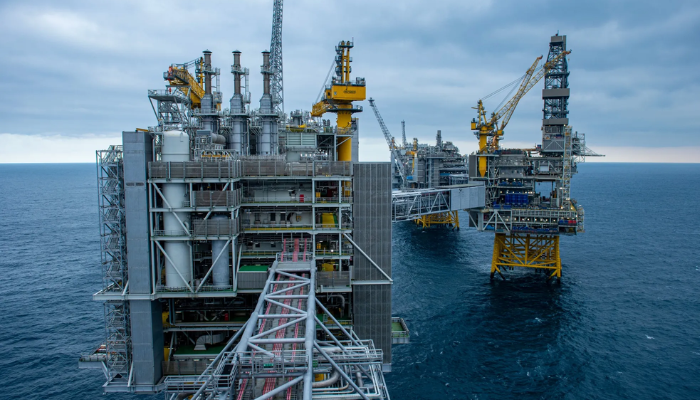
Oil turned up off Norway’s coast in 1969, part of one of the largest offshore finds known at the time in the North Sea. Lawmakers passed legislation to build a fund in 1990, and the first deposit went in during 1996.
Read also:Norway injects over $300m in Africa to boost growth, development
From the start, managers chose to invest only outside Norway. Money kept abroad cannot push up the value of the krone or squeeze the parts of the economy unrelated to oil, a pattern economists label Dutch disease.
Size matters less than restraint here. A fiscal rule passed in 2001 lets the government spend only the fund’s expected real return in a given year, so the underlying capital stays intact for future generations. That ceiling started at 4 per cent. In 2017, an expert commission recommended a cut to 3 per cent, judging the older figure too high for an era of lower returns.
This limit explains why the fund kept expanding instead of being drawn down. Analysts point to Norway whenever a nation wants to sidestep the resource curse, the tendency for sudden mineral wealth to fuel corruption and instability rather than steady prosperity.
The fund’s scale means it holds stakes in companies most readers would recognise, including Apple, Nvidia and Microsoft among its top positions. Returns reached 15.1 per cent in 2025, a profit near 2.36 trillion kroner, or about $247 billion — its second-best year in krone terms, trailing only 2024. Technology, finance and mining stocks drove much of the gain.
One detail carries less weight in headlines but matters more in practice: even in a strong year, the fund fell short of its own benchmark by 28 basis points, the third year running it has trailed that measure. A fund of this size tracks global markets closely. Gains look impressive. Losses, when they come, will look just as large, because $2 trillion parked in global equities offers no shelter from downturns.
A common assumption holds that any oil-producing nation could build something similar. Evidence points the other way. Norway’s low corruption, established institutions and habit of political consensus existed before oil arrived, the fund reflected that foundation rather than creating it. Other nations that struck oil without similar institutions have rarely built anything comparable.
Strain is building inside the system. Withdrawals from the fund now cover more than a quarter of the annual state budget, a record share, meaning growth in the fund brings growth in reliance on it. In 2025, the country’s Fiscal Policy Committee proposed studying a shift away from the return-based rule toward one tied to the fund’s cash flow, warning that the current approach leaves the budget exposed if the fund’s value drops sharply.

Join BusinessDay whatsapp Channel, to stay up to date
Open In Whatsapp