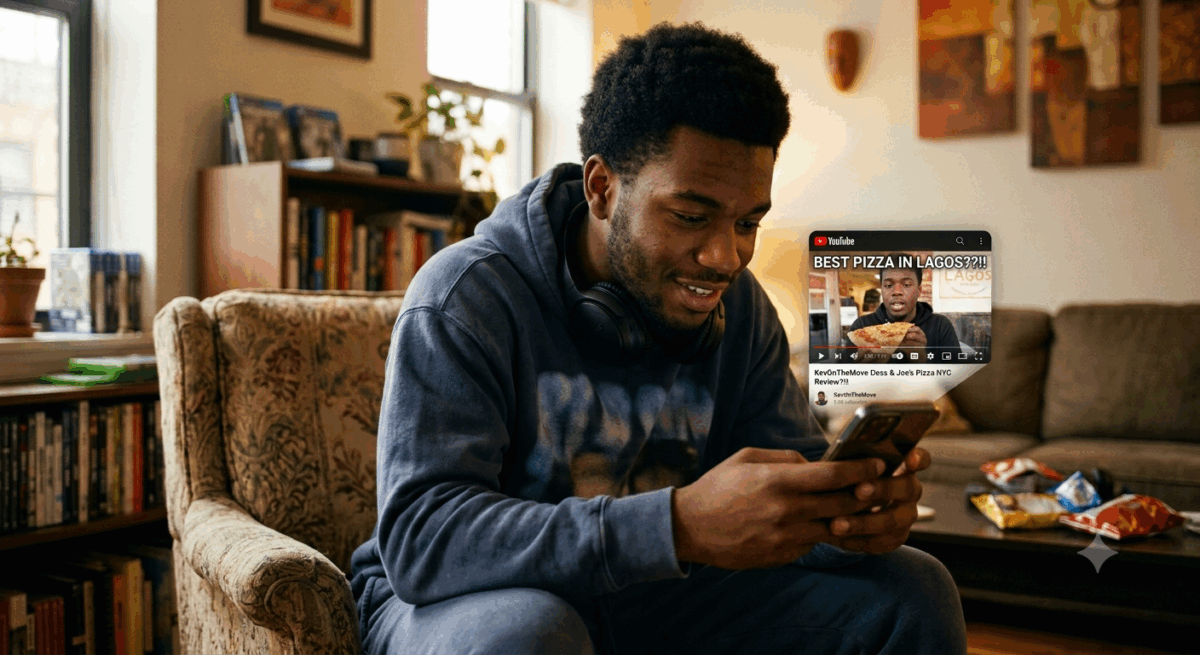
A few weeks ago, I ordered from a food vendor an influencer had recommended repeatedly. The video was polished, with carefully presented shots of the food and a caption describing the restaurant as one of the best in Lagos. I placed an order almost immediately.
When the food arrived, the experience was different. The portion was smaller than expected, the rice lacked flavour, and the meal did not match the impression the video had created. It made me wonder how often people arrive at a restaurant expecting the experience they saw online, only to discover something else entirely.
That question is becoming increasingly relevant as food influencers shape the way people discover restaurants in Lagos. Spend enough time on TikTok or Instagram and it is easy to see their influence. A single recommendation can introduce thousands of people to a business overnight, while a viral video can turn an unfamiliar restaurant into one of the city’s most talked-about destinations. For many diners, social media has become the first place to look before deciding where to eat.
That influence has been good for Lagos’ growing food scene. Restaurants that once depended on word of mouth can now reach audiences they might never have attracted through traditional advertising. Food creators have helped spotlight neighbourhood cafés, family-owned businesses and new restaurants, making dining in the city more diverse and accessible.
But social media content serves a different purpose from a consumer review. It is designed to capture attention. Videos are carefully planned, dishes are presented at their best, and every frame is intended to keep viewers watching. That does not make the content misleading; it is simply how content creation works. The challenge begins when viewers interpret a polished piece of content as an objective assessment of what every customer should expect.
The growth of influencer marketing adds another layer. Many creators are invited to restaurants, receive complimentary meals or are paid to feature a business. That does not automatically make their recommendations dishonest, nor does it mean they did not genuinely enjoy the experience. However, promotional content naturally aims to highlight positives rather than shortcomings. When viewers are unaware that a recommendation is part of a commercial partnership, or simply forget that it is, they may give it more weight than they otherwise would.
Even where no payment is involved, a recommendation still reflects one person’s experience on one particular visit. It cannot tell viewers whether the same quality, service or portions are delivered consistently to every customer. Yet many people understandably watch these videos as though they are reliable predictors of their own experience.
The result is a growing trust gap. Anyone who scrolls through the comments on popular restaurant videos will notice a familiar pattern. Alongside enthusiastic reactions are customers describing long waits, disappointing portions, average meals or service that fell below expectations. These comments do not necessarily prove that the influencer was wrong or that the restaurant is poor. They simply illustrate that a promotional video and an everyday customer experience are not always the same thing.
None of this is an argument against food influencers. They have become an important part of Lagos’ food ecosystem, helping businesses grow and making it easier for consumers to discover new places. Many restaurants owe part of their success to creators who introduced them to wider audiences, and many influencers have built their reputations by sharing recommendations they genuinely believe in.
As influencer marketing continues to mature, however, credibility will become just as valuable as reach. Creators who are transparent about commercial partnerships and measured in their recommendations are likely to earn greater trust over time. Consumers, for their part, should remember that a recommendation is exactly that, a recommendation, not an objective review or a guarantee of the experience they will have.
The gap between online hype and the reality on the plate may never disappear completely. But recognising the difference between promotional content and independent consumer experience can help people make more informed choices while allowing influencer marketing to continue serving the businesses and audiences that benefit from it.

Join BusinessDay whatsapp Channel, to stay up to date
Open In Whatsapp