Nigeria’s economic reform programme appears to be gaining international validation as global ratings agency S&P Global Ratings upgraded the country’s long-term foreign and local currency sovereign credit ratings to ‘B’ from ‘B-’, citing improvements in foreign exchange liquidity, fiscal revenues, external reserves and broader macroeconomic stability.
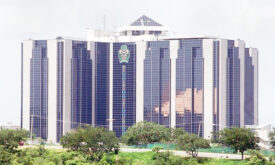
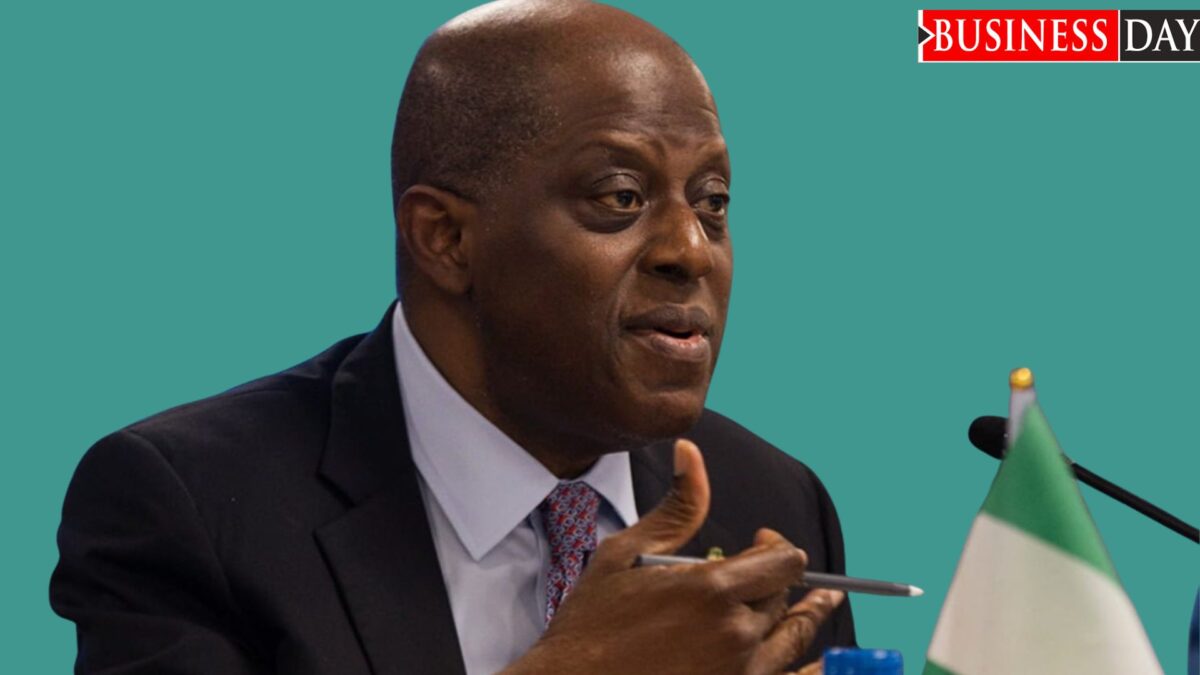
The latest rating action represents one of the clearest endorsements yet of the far-reaching reforms introduced by the Central Bank of Nigeria (CBN) under Olayemi Cardoso, governor of the CBN and the fiscal authorities over the past three years.
S&P affirmed Nigeria’s short-term sovereign ratings at ‘B’ while also raising the country’s national scale ratings to ‘ngA+/ngA-1’ from ‘ngBBB+/ngA-2’, maintaining a stable outlook.
According to the agency, “Following three years of sustained structural reforms, Nigeria’s creditworthiness has improved.”
The upgrade comes at a time when Nigeria is attempting to rebuild investor confidence after years of foreign exchange distortions, mounting fiscal pressures, weak oil production and persistent inflationary shocks.
For many analysts, the latest assessment by S&P reflects growing evidence that the painful but necessary reforms initiated by the monetary and fiscal authorities are beginning to yield measurable results.
Read also: CBN reforms drive FX inflows to $112b, investors’ confidence rises
A major pillar of the improved outlook remains the liberalisation of Nigeria’s foreign exchange market, one of the most significant policy shifts undertaken by the Cardoso-led CBN.
S&P noted that the liberalisation of the exchange rate has improved access to foreign currency and enabled a more market-driven exchange rate environment, helping to restore investor and consumer confidence while supporting growth in the non-oil sector.
The agency specifically highlighted improved liquidity in the foreign exchange market, revealing that average monthly FX turnover rose to $8.6 billion in 2025, while April 2026 alone recorded about $10 billion in market supply.
The surge in liquidity reflects the impact of reforms aimed at eliminating distortions in the FX market, improving transparency and rebuilding confidence among investors and businesses.
Nigeria’s external reserves also recorded significant improvement, rising to $50 billion by March 2026 from about $33 billion in 2023.
S&P attributed the increase in reserves to stronger current account balances, reduced import demand, fuel subsidy removal and the growing contribution of domestic refining capacity.
The agency also acknowledged ongoing fiscal reforms by the Federal Government, particularly Executive Order 9 signed in February 2026, which mandates the Nigerian National Petroleum Company Limited to remit a larger share of petroleum revenues directly into the Federation Account.
Read also: Nigerian banks lose N2.5tn in annual earnings to CBN’s high CRR
As a result, government revenue is projected to rise to 12.4 percent of GDP in 2026 from 7.3 percent in 2023, while debt servicing pressures are expected to ease gradually over the medium term.
S&P further projected that Nigeria’s oil production would average 1.66 million barrels per day in 2026, while the country’s current account surplus could improve to 5.8 percent of GDP.
Inflation is also projected to moderate from 23 percent in 2025 to 17.7 percent in 2026, while real GDP growth is expected to settle at 3.7 percent in 2026 after recording four percent growth in 2025.
The latest upgrade underscores how reforms once viewed as politically difficult are increasingly being seen as necessary foundations for long-term macroeconomic stability.
When Cardoso assumed office as CBN governor in October 2023, the Nigerian economy faced severe macroeconomic pressures.
Inflation had surged to 27 percent, driven partly by rapid money supply growth and structural imbalances. Over the previous eight years, Nigeria’s GDP growth had stagnated at an average of about 1.8 percent annually, while money supply expanded at an average rate of roughly 13 percent.
The widening disconnect between economic productivity and liquidity growth contributed significantly to inflationary pressures and the sharp depreciation of the naira.
For households and businesses, inflation became a major burden, eroding purchasing power, increasing living costs and creating uncertainty across the economy.
In response, the apex bank embarked on aggressive monetary tightening measures aimed at restoring price stability and rebuilding confidence in the economy.
One of the boldest steps taken by the CBN was the increase of the Monetary Policy Rate by 875 basis points to 27.5 percent in 2024.
The move, though difficult for businesses and borrowers, was considered necessary to rein in inflation and stabilise financial markets.
Beyond inflation management, the foreign exchange market presented perhaps the biggest challenge facing the new CBN leadership.
At the time, Nigeria faced over $7 billion in unmet foreign exchange obligations, while the FX market operated under a fragmented multiple exchange rate regime that encouraged arbitrage and discouraged foreign investment.
The distortions weakened confidence in the economy and contributed to the depletion of external reserves, which had fallen to about $33.22 billion by December 2023.
Analysts also estimated that the cost of maintaining the implicit FX subsidy regime significantly exceeded even the fiscal burden created by fuel subsidies.
To reverse the trend, the CBN undertook sweeping reforms aimed at unifying the exchange rate system and restoring transparency to the market.
The unification of the FX market helped eliminate distortions and enabled the apex bank to clear the outstanding FX backlog owed to businesses, manufacturers and foreign investors.
The successful clearance of these obligations restored confidence among investors and businesses that had struggled for years with delayed foreign exchange settlements.
Manufacturers, airlines and multinational companies were once again able to plan operations and investments with greater certainty.
To further strengthen transparency and improve efficiency in the market, the apex bank introduced the Electronic Foreign Exchange Matching System.
Read also: Investors flood CBN OMO auction with N1.45tn bids despite lower yields
The system, widely used in developed and emerging economies, provides real-time information on currency pricing, trading volumes and market activity.
The Electronic Foreign Exchange Matching System was specifically introduced to reduce speculative activities, eliminate market distortions and improve transparency in FX transactions.
The CBN also recently launched the Nigeria Foreign Exchange Code as part of broader reforms designed to improve market discipline and enhance confidence in the financial system.
The FX Code established clear standards on ethics, governance, execution, information sharing, risk management, compliance and settlement processes within the foreign exchange market.
Speaking at the launch of the FX Code in Abuja, Cardoso said the initiative represented a decisive shift toward transparency and accountability in Nigeria’s foreign exchange market.
According to him, “The FX Code represents a decisive step forward, setting clear and enforceable standards for ethical conduct, transparency, and good governance in our foreign exchange market. The era of opaque practices is over.”
He added that the reforms undertaken in 2024 were designed to return the naira to a freely determined market price and reduce volatility by removing longstanding distortions within the system.
Backed by the CBN Act of 2007 and the Banks and Other Financial Institutions Act (BOFIA) 2020, the FX Code now serves as an official framework guiding conduct among all market participants.
The reforms introduced by the apex bank have also attracted recognition from other international agencies beyond S&P.
Fitch Ratings recently acknowledged the benefits of Nigeria’s exchange rate unification reforms, the introduction of the electronic FX matching platform and tighter monetary policy measures aimed at controlling inflation.
The agency also commended the government’s broader commitment to orthodox economic policies since June 2023, including exchange rate liberalisation, fuel subsidy removal and efforts to end deficit monetisation.
According to Fitch, these measures have improved policy coherence, enhanced credibility and reduced near-term risks to macroeconomic stability.
The Federal Government has also welcomed the latest sovereign rating upgrade, describing it as evidence that Nigeria’s reforms are restoring international confidence in the economy.
Taiwo Oyedele, minister of Finance and Coordinating minister of the Economy, said the latest upgrades by S&P, Fitch and Moody’s collectively reflected growing confidence among global investors and international financial institutions in Nigeria’s reform trajectory.
According to him, the independent assessments validate the difficult but necessary reforms being implemented under President Bola Ahmed Tinubu’s administration.
He noted that the rating agencies specifically recognised improvements in Nigeria’s external financial position, stronger balance of payments performance, increased crude oil production and expanding domestic refining capacity.
The minister also stated that Nigeria’s debt-to-revenue ratio had improved significantly since 2023 and was expected to decline further as reforms continued to gain traction.
He maintained that the government remained committed to prudent fiscal management, macroeconomic stability and structural reforms aimed at supporting inclusive and sustainable growth.
Oyedele also reiterated the government’s opposition to the return of fuel subsidies, arguing that previous subsidy regimes created major fiscal distortions, encouraged smuggling and weakened foreign exchange liquidity.
According to him, the administration remains committed to building a transparent and market-driven economy supported by competition and effective regulatory oversight.
He added that the government would continue implementing policies designed to support private investment, address inflationary pressures, improve food security and create employment opportunities.
The growing international recognition of Nigeria’s reforms has also brought personal recognition for Cardoso on the continental stage.
The African Banker Awards Committee recently named him African Central Bank Governor of the Year, citing his “bold and strategic” leadership in implementing monetary and regulatory reforms that restored stability and confidence in Nigeria’s financial system.
The committee specifically praised the CBN’s efforts to stabilise the naira, improve transparency and strengthen efficiency in the foreign exchange market.
According to the organisers, the reforms have laid the foundation for long-term macroeconomic resilience and renewed investor confidence.
Now in its 19th year, the African Banker Awards, organised by African Banker magazine with the African Development Bank Group as official patron, recognises outstanding contributions to Africa’s financial services sector.
For Nigeria, the latest S&P upgrade may represent more than a symbolic endorsement.
It signals growing confidence that reforms once criticised for their immediate economic pain may now be laying the groundwork for a more stable, transparent and resilient economy.
While challenges such as inflation, unemployment and cost-of-living pressures remain significant, the improving ratings outlook suggests that international investors and institutions are beginning to see clearer signs of economic recovery and policy credibility in Nigeria’s reform journey.

Join BusinessDay whatsapp Channel, to stay up to date
Open In Whatsapp