
As the final shows ended at Heineken Lagos Fashion Week 2022, discussions at the venue moved past the runway to the practical barriers facing the industry. Designers, investors and entrepreneurs focused on sustainability, scalability, infrastructure and the steps needed for African brands to compete on the international stage.
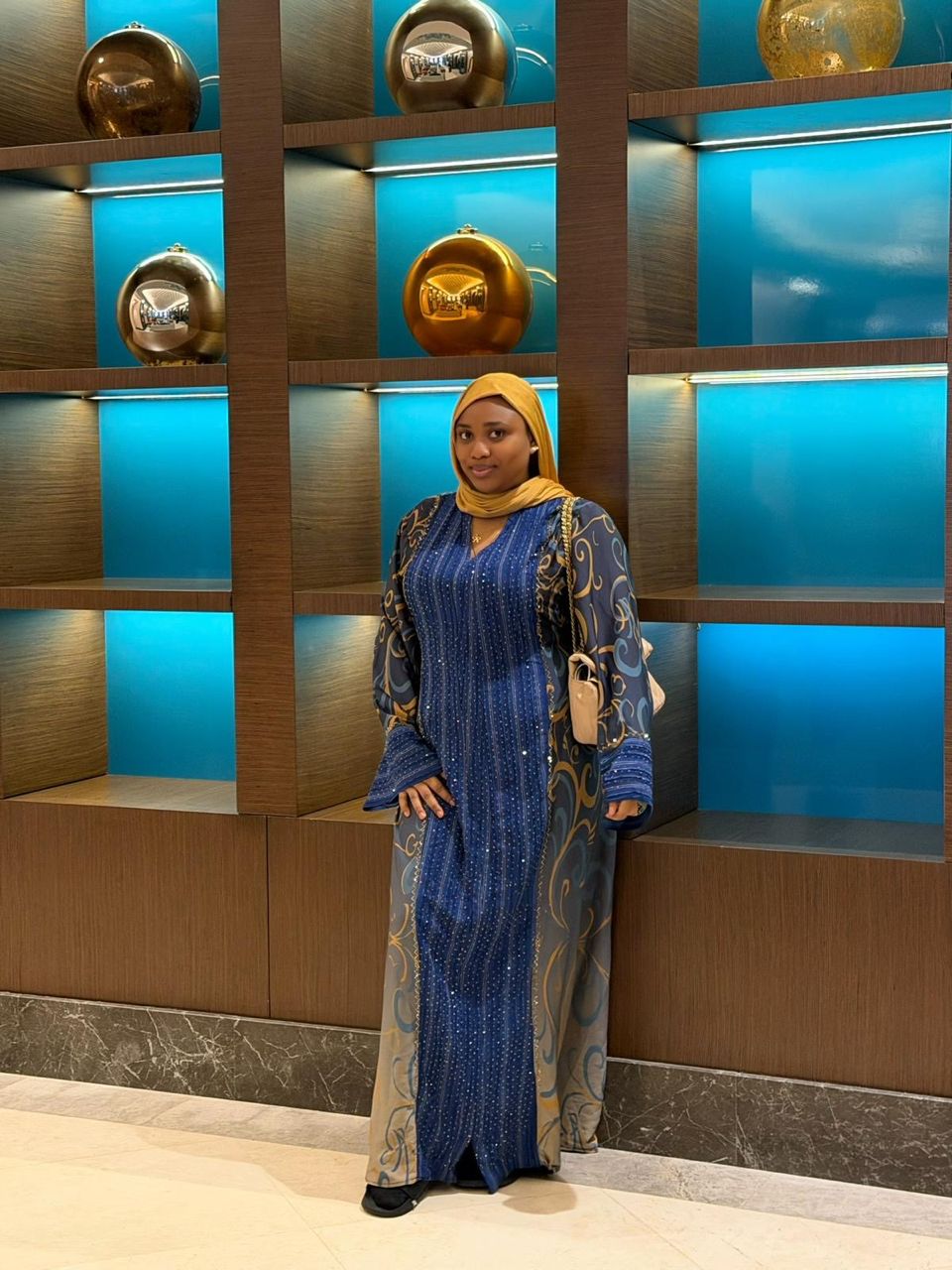
One speaker who drew attention during the Fashion Business Series was Halimah Atolagbe, founder and chief executive of House of Kemah. In a breakout session on sustainable scaling, she highlighted the divide between creative talent and operational structure as a central issue for many African fashion businesses.
“African fashion has never lacked creativity,” she said. “What many brands struggle with is the underlying infrastructure, market positioning and the ability to scale without losing their identity.”
Her comments came as part of work with the Impact Fund for African Creatives, where she provided advice on business structure and operations for emerging brands. Atolagbe stressed that sustainability must go beyond branding. It requires changes in production, sourcing, distribution and waste management.
“We cannot talk about sustainable fashion without discussing waste reduction, production efficiency and responsible inventory practices,” she explained. “A lot of smaller brands lose money through poor forecasting and inconsistent production systems. Technology and data can help solve that.”
These points align with wider industry challenges. According to data from the Federal Ministry of Art, Culture, Tourism and the Creative Economy, Nigeria is one of the largest apparel markets in Africa, with consumer spending projected to reach approximately $10 billion by 2025. Yet much of this demand is met through imports rather than local production.
Lagos accounts for 39 percent of Nigeria’s fashion industry activity, but the remaining 61 percent is spread across other areas, including Aba’s garment factories, Kano’s textile infrastructure and other design and market hubs. Aba stands out as a manufacturing base for mass production of affordable clothing, developed with limited formal investment and recognised for its potential with better infrastructure and quality standards.
Women make up 59 percent of the workforce in the fashion sector, the highest share among creative industries in Nigeria. This makes the sector an important area for economic participation.
Industry reports show that poor infrastructure, inconsistent supply chains and limited access to technology limit growth. Many small brands face difficulties with forecasting, excess inventory and waste. Broader African fashion statistics indicate that the continent’s industry was valued at around $31 billion in 2020, with potential to exceed $50 billion by 2030 if investment and infrastructure improve. In Nigeria, heavy reliance on imports and informal activity means local producers capture only a small share of the domestic market.
Atolagbe pointed to opportunities under the African Continental Free Trade Area. “There is a huge opportunity for African brands to serve African markets at scale,” she said. “But that only happens when we move from informal growth models into intentional business structures capable of meeting larger demand consistently.”
Digital inventory systems, transparent supply chains and production analytics could reduce waste and improve profitability. Stakeholders at the event noted a shift towards these practical tools alongside creative work.
The conversations at Heineken Lagos Fashion Week reflected a growing recognition in the industry. Creativity drives attention, but long-term success depends on stronger operations, better infrastructure and policies that support scaling. For brands like House of Kemah, this means balancing contemporary design with ethical practices rooted in local conditions.
As global interest in African fashion increases, the focus on execution and infrastructure will determine how much of the projected market growth stays within the continent. Progress will require coordinated efforts from designers, government, investors and support organisations to close the gap between talent and commercial capability.

Join BusinessDay whatsapp Channel, to stay up to date
Open In Whatsapp