Nigeria’s agricultural sector is ripe for disruption — and young people are being urged to lead the charge.
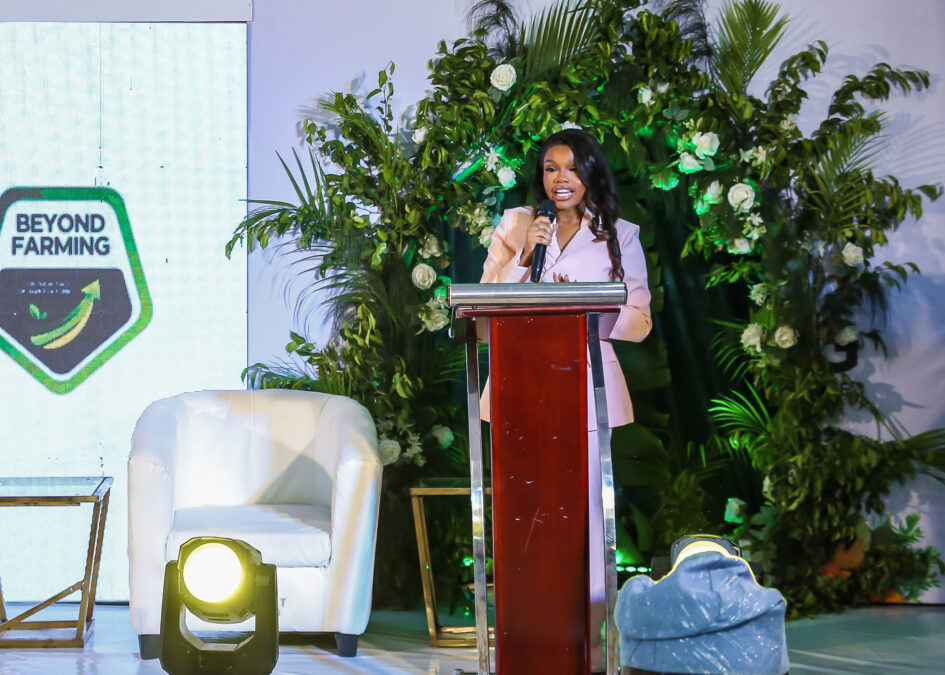
Speaking at a youth-focused conference, ‘Beyond Farming’, themed ‘Exploring Real Opportunities Across the Agricultural Value Chain’ in Lagos, experts called on youths to look beyond traditional farming and tap into the broader value chain.
The experts noted that from processing and logistics to marketing and tech, opportunities abound for those willing to innovate and plug the gaps.
“Agriculture has been narrowly defined, overlooking the vast ecosystem beyond farming, including processing, logistics, trade, technology, and finance,” said Chy Nwakanma, convener of the conference.
Nwakanma emphasised that the most scalable and impactful opportunities lie within the broader value chain, but young people need clarity on where to start and how to participate. “Young people are interested, we are curious, we are willing,” she said, but many are asking questions like “Where do I start? What role can I play? How do I move from interest to action?”
She noted that the conference aims to address these questions and provide practical pathways for young people to participate in the agricultural value chain.
Nwakanma said “Beyond Farming” is a platform designed to move the conversation forward, beyond ideas and inspiration, into real opportunities and action.
In her keynote address, Abisola Olusanya, commissioner, Ministry of Agriculture and Food Systems, Lagos State, emphasized the importance of moving beyond farming.
“Agriculture in 2026 is no longer about horses, commerce, and cultivation,” she said. “It’s about technology, logistics, finance, climate resilience, innovation, food enterprise, and economic prosperity,” said Olusanya, who was represented by Gboyega Idris at the veterinary department at the ministry.
According to her, the Lagos State government is already making strides in this direction, with initiatives like the Lagos Central Food Systems and Logistics Engagement Effort, a food logistics and aggregation centre set to become one of the largest in sub-Saharan Africa.
She explained that the project aims to reduce post-harvest losses, improve food quality, and connect producers directly to consumers and processors.
Olusanya added that the state is also promoting youth engagement in agriculture through programs like the Lagos Agricultural Programme (LAP), which provides practical training, enterprise support, and internship opportunities for young Nigerians.
“We’re nurturing startups, solving real problems across food production, logistics, processing, market systems, and climate-smart agriculture,” Olusanya said.
As the agriculture sector evolves, she says young people must be equipped with the right skills to take advantage of emerging opportunities.
Read also: Nigeria’s ginger export crashes from N26 billion to zero in three years
“The future farmer may not necessarily carry a hoe,” Olusanya said. “They may design farm equipment software, develop AI-powered production tools, or create digital marketplaces connecting producers to consumers,” she added.
Idi Maiha, minister of Livestock Development, emphasised the importance of youth participation in agriculture, stating that Nigeria’s future depends on the choices made for its young people, land, and food system.
The minister, who was represented by Mariat Soleye, director and state-coordinator at the Federal Ministry of Livestock Development, commended the conference’s vision, stating that “Beyond Farming” is a movement that reimagines agriculture and livestock development with young Nigerians at the centre.
Maiha highlighted the Renewed Hope Agenda’s focus on food security, job creation, and economic diversification, noting that agriculture and livestock development are crucial to achieving these goals.
He emphasised that the livestock value chain offers immense opportunities for young Nigerians, from animal husbandry to processing and logistics.
The minister announced policy reforms and partnerships aimed at supporting youth-led agribusinesses, including access to land, credit, and markets.
He also highlighted the deployment of technology and data to improve livestock productivity and traceability, as well as value-added processing to boost exports.
Maiha urged young professionals and entrepreneurs to take advantage of the opportunities in agriculture, saying the transformation of Nigeria’s agricultural sector will be driven by the youth’s hunger to succeed and encouraged them to start where they are and use what they have.
The minister concluded by reiterating the Federal Ministry of Livestock’s commitment to partnering with young Nigerians to advance the country’s agricultural and livestock future.
He expressed optimism that the conference would produce ideas that change lives, build partnerships that transform communities, and remind young Nigerians that agriculture is a new frontier for economic growth and development.
The event brought together stakeholders from across value chains to share insights and break down the barriers to participation in the agricultural value chain.
Join BusinessDay whatsapp Channel, to stay up to date
Open In Whatsapp