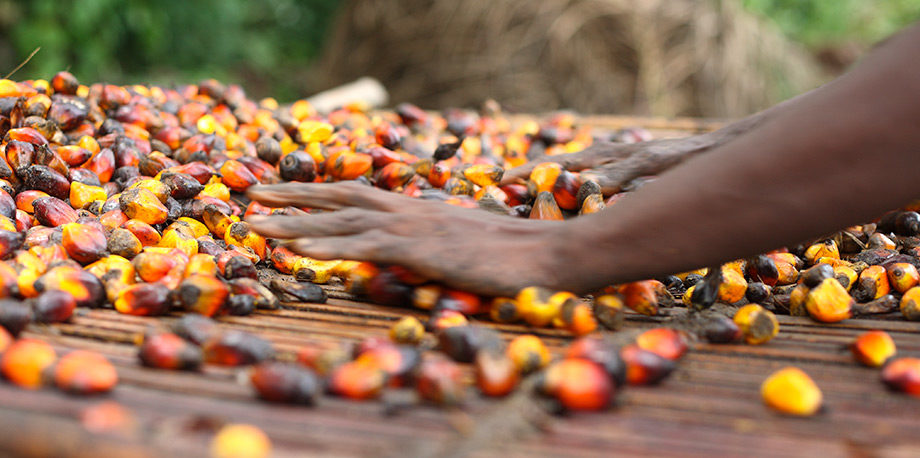
In a bid to boost local palm oil production in the country and also support the Federal Government backward integration policy, De-United Foods Industry Limited (DUFIL) has recently presented the Environmental Impact Assessment (EIA) for its proposed 18,000 hectares palm oil and cassava mill plantation to the Edo state government.
The proposed investment by DUFIL is expected to help the country bridge its huge demand –supply gap of palm oil which is estimated at over 1.7 million metric tons (MT) and earn foreign exchange.
As a result, the Edo State government has given a concession of 17,955 hectares of land within Ekiadolor Forest Reserve in Ovia Northeast Local Government Area of the state to DUFIL for pal plantation and a mill to produce high quality cassava flour (HQCF).
Fatai Afolabi, consultant to the company on the project, said the two proposed projects would result in economic benefits for the communities in ovia North-east local government in Edo, and Nigeria through employment opportunities at pre-construction, construction and operational stages.
Afolabi said that both direct and indirect jobs will be created, revenue will be generated and multiplier effects on the economy through the likely improved disposable incomes of the members of the communities and employees would boost the gross domestic products and circle flow of incomes in the country.
The entire land is covered by a statutory certificate of occupancy issued in its name and registered. The organisation has applied for an EIA approval and permit from the Federal Ministry of Environment, according to the organisation.
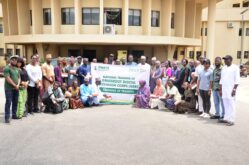
To this end, the organisation organised an EIA scoping workshop involving critical stakeholders, hosts communities, NGOs, agencies and the media.
Following the Ministry of Environment initial site inspection and verification, the ministry had placed the project in category-one with a season baseline data gathering exercise to be augmented with relevant and approved valid EIA within a 5km radius of the proposed project location.
However, the proponent was requested to conduct a scoping workshop with relevant stakeholders in attendance and regulators from the federal and state ministries of environment as observers.
The EIA scoping workshop report incorporating the critical issues raised and terms of reference are required to proceed to the next stage of the process. Sequel to the foregoing, the EIA scoping workshop was conducted recently at the conference hall of Best western Homeville Hotel, off Sapele Road, Benin City.
During the workshop, DUFIL also presented details of its proposed oil palm estate to stakeholders.
It disclosed that about 2.3 million palm seedlings would be planted on about 15,000 hectares of the acquired land.
According to the organisation, the oil palm estate will comprise a palm seedling nursery and a plantation. The nursery would be used to raise seedlings for the plantations and for other farmers who might demand quality planting materials.
Also, another proposed project is a cassava flour milling factory to provide high quality cassava flour. The proposed factory will have a capacity to process 200 tonnes cassava tubers per day.
Josephine Okojie

Join BusinessDay whatsapp Channel, to stay up to date
Open In Whatsapp