…as six Nigerian states partner Sasakawa Africa Association on agric digitisation

Godwin Atser, Country Director of the Sasakawa Africa Association (SAA), has emphasised the need for Nigeria and Africa as a whole to adopt agricultural digitisation to enhance food security and prevent re-colonisation.

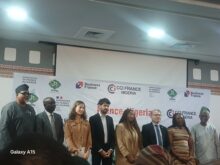
Atser made this call during the Annual Stakeholders’ Workshop, themed “Transforming The Agricultural Landscape Through Digital Agricultural Extension and Advisory Services,” which commenced in Abuja on Tuesday.

Atser, who expressed worries over possible hunger and food insecurity in Nigeria and Africa, said, “By 2025, based on the data that we have, if we do nothing, food imports will be about $110 billion. Something needs to be done and we need to do that as quickly as possible.”

He noted that one of the weakest links in Nigeria’s food value chain is the aspect of extension and advisory services, stressing the need to make the extension system more effective.

Read also: AfDB, Sasakawa Africa train rice farmers on improved yields, soil fertility

He said SAA recognised the potentiais of technology to transform Nigeria’s agricultural landscape. He explained that, “At Sasakawa Africa Association, we recognise that the technologies we have currently have changed the narrative that we have in terms of food production in Nigeria; however, most of the innovations are not getting to farmers.”

Atser highlighted the need to promote the use of digital tools to serve farmers, citing examples such as the Agroponto and Akilimo devices, which facilitate access to markets and provide site-specific advisory services.

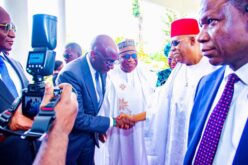
Meanwhile, the SAA recognised six Nigerian States, namely, Nasarawa, Kano, Benue, Gombe, Kwara, and Jigawa, giving thems awards for their outstanding collaborations in agricultural development.

Responding, Abdullahi Sule, Governor of Nasarawa State, commended the partnership between the SAA and Nasarawa State, noting that the partnership aims to digitise agriculture, which they view as a business.

Governor Sule revealed that the partnership had led to significant progress in agricultural development, including acquiring 10,000 hectares of land in 2024, cultivating 2,000 hectares and selling 80% of the harvest to Olam farms.

He emphasised the importance of sustaining the partnership, prompting the establishment of demonstration farmlands on rice, beans, and sesame.

The Sasakawa Africa Association has been working in Nigeria for over 30 years, currently operating in 24 States. The organization’s key projects include the Nutrition Sensitive Agriculture (NSA), Market Oriented Agriculture (MOA), and Capacity Building of project beneficiaries, among others.

Ruth Tene, Assistant Editor, Agric/Solid Minerals/INEC Ruth Tene is an award-winning journalist with over 15 years experience in developmental reporting across several newsrooms, as a reporter, editor and other managerial roles. She holds a Postgraduate Diploma in Journalism from the University of Maiduguri among several other certifications She has attended several trainings and certifications both locally and internationally and has been recognized for her impactful work in humanitarian reporting, receiving the Gold Award for Humanitarian Services from the Amazing Grace Foundation. She is also a recipient of the Home Alliance Fellowship, reflecting her commitment to fostering a more humane, safer and more sustainable planet. An active member of professional journalism bodies, Ruth is affiliated with the Nigeria Union of Journalists (NUJ), the National Association of Women Journalists (NAWOJ), and the Agricultural Correspondents Association of Nigeria (ACAN), where she continues to advocate for excellence, ethical reporting, and development-focused journalism.

Join BusinessDay whatsapp Channel, to stay up to date

Open In Whatsapp