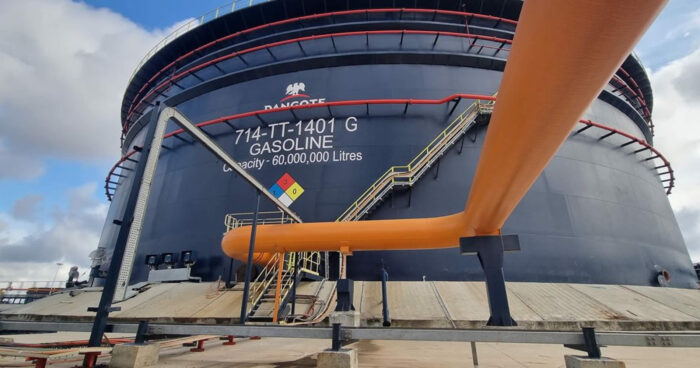
Dangote Group plans to finance its proposed 700,000 barrel per day oil refinery in Kenya through internally generated cash, bond issuances and a planned initial public offering, as the company pushes ahead with its ambition to expand refining capacity across Africa, according to Reuters.
Read also: Dangote Cement slump erases N4.23trn from Aliko’s net worth
The planned refinery, expected to be the largest in East Africa, would be built on Lamu Island off Kenya’s coast and is projected to take up to three years to complete. Once operational, it would supply refined petroleum products to Kenya and neighbouring countries, reducing the region’s dependence on imported fuel.
Edwin Devakumar, vice president for oil and gas at Dangote Industries, said work on the project has already begun.
“The site has been selected, soil tests are under way, and design and engineering work has commenced. Kenya was the choice from the beginning,” Devakumar told Reuters.
Read also: Petrol price seen crashing to N800/l as marketers sign new deal with Dangote
The project would be Dangote Group’s biggest refining investment outside Nigeria and follows the launch of its 650,000 barrel per day refinery in Lagos, which began operations in 2024.
Devakumar said the Kenyan refinery would be financed through a combination of internally generated cash, bonds and proceeds from a planned initial public offering. While he did not reveal the total cost of the project, he said it would be comparable to the Lagos refinery.
Built by billionaire industrialist Aliko Dangote, the Lagos refinery eventually cost more than $20 billion, significantly above its original estimate of about $9 billion in 2013.
Costs rose because of the relocation of the project site, engineering challenges, the depreciation of Nigeria’s currency, disruptions caused by the COVID 19 pandemic and global inflation.
Read also: Dangote Refinery’s jet fuel exports to Europe overtake US shipments
The proposed Kenya refinery reflects Dangote’s long standing plan to expand fuel processing capacity beyond Nigeria and strengthen Africa’s energy security.
The company had previously explored building a refinery in Tanzania’s port city of Tanga before shifting its focus to Kenya. Devakumar said the decision was influenced by infrastructure, logistics and market considerations.
If completed, the refinery is expected to boost fuel supplies across East Africa, support regional trade and reduce the region’s reliance on imported refined petroleum products.

Join BusinessDay whatsapp Channel, to stay up to date
Open In Whatsapp