Stakeholders in Nigeria’s clean energy sector have warned that investments risk underperformance as nearly 70 percent of women remain exposed to energy poverty, driven by continued reliance on traditional cooking fuels.
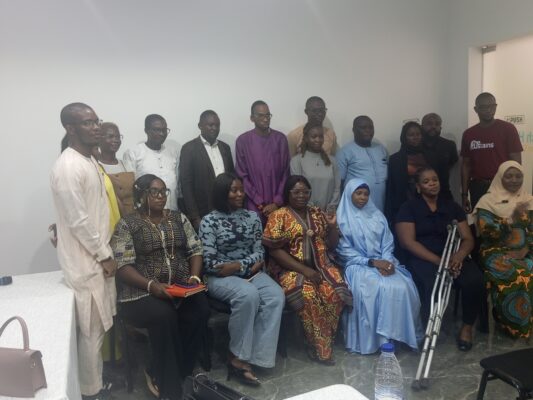
The concern was raised at a multi-stakeholder roundtable convened by Clean Technology Hub (CTH) in Abuja on Wednesday, where participants said weak data systems and low female participation in technical roles are limiting measurable impact across the sector.
Daramfon Bassey, head of program energy access at CTH, said despite increasing investments and reported outreach figures, national data continues to reflect high levels of energy poverty, particularly among women.
He said the persistence of a 70 percent exposure rate to household air pollution among women highlights a disconnect between project-level reporting and actual outcomes.
Bassey noted that fragmented data collection and the absence of unified reporting standards are making it difficult for investors and policymakers to assess returns, scale viable models, or design targeted interventions.
Read also: NEPC scales up training and certifications to empower women exporters
He said multiple organisations currently track impact using different methodologies, resulting in inconsistent datasets that cannot be aggregated at a national level.
Esther Oyine-Okpoju, lead gender equity at CTH, said women remain the most affected by energy poverty due to their dependence on firewood and charcoal for cooking.
She said the health risks associated with indoor air pollution continue to rise, even as clean energy programmes expand across the country.
Oyine-Okpoju added that most available data focus on distribution figures rather than actual usage, making it difficult to determine whether clean cooking solutions are replacing traditional fuels.
Despite being the primary users of household energy products, women account for less than 30 percent of technical roles in the sector, with most concentrated in administrative positions.
Read also: FG calls for empowerment of women, youth in aquaculture value chain
Participants said this gap between high exposure and low participation is slowing innovation and weakening demand-driven growth in the market.
They also identified limited access to finance for women led clean energy businesses as a key barrier to scaling last-mile distribution, particularly in rural and low-income communities.
Data presented at the session showed that funding opportunities for female entrepreneurs and persons with disabilities remain disproportionately low.
Stakeholders said the lack of credible, gender disaggregated data is creating blind spots for investors and reducing the efficiency of capital deployment in the sector.
Projections discussed at the roundtable indicate Nigeria’s clean energy sector could generate up to 840,000 jobs by 2060.
However, participants warned that workforce gaps and poor data tracking could limit the sector’s growth potential.
They called for the development of a unified national framework for data collection and reporting, alongside stronger collaboration between government, private sector, and development partners.
Edith Sadu, a participant from the National Commission for Persons with Disabilities, said the commission is open to partnerships that can expand inclusive energy solutions and improve access for underserved groups.
Bassey said stakeholders are working towards building a coordinated system for tracking diversity and inclusion metrics to improve accountability and align sector performance with national targets.
He warned that without measurable inclusion, Nigeria risks scaling clean energy investments without delivering real impact to the populations most affected.

Join BusinessDay whatsapp Channel, to stay up to date
Open In Whatsapp