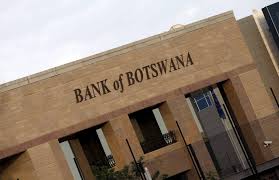
Botswana has become the first African central bank to raise interest rates in response to the global energy shock triggered by the Iran conflict, as inflation is expected to accelerate sharply in the coming months.
The Bank of Botswana increased its benchmark rate by 200 basis points to 5.5 percent on Thursday, from 3.5 percent, at its second Monetary Policy Committee meeting of the year. Governor Lesego Moseki warned that price pressures are set to intensify significantly in the near term.
The latest move pushes the Monetary Policy Rate to its highest level since 2017, after the bank held rates steady at 3.5 percent in both February and December.
Policymakers said the rate hike was aimed at strengthening policy transmission and anchoring inflation expectations amid heightened global uncertainty. Inflation rose to 4.2 percent in March from 4.0 percent in February, marking its highest level since June 2023.
While still within the central bank’s target band, it is expected to exceed the upper limit in the coming months.
Inflation in the South African nation is projected to breach the central bank’s target range of three to six percent in the second quarter, driven by rising fuel costs, transport fares and medical aid premiums. The bank now expects inflation to average 8.7 percent this year before easing to 5.6 percent in 2027.
Since the outbreak of the Middle East war in February, global crude oil prices have surged above $100 per barrel, pushing up petrol prices and reversing recent inflation gains across several African economies, including Namibia, Kenya, Egypt, Ethiopia, South Africa, Morocco, Angola and Mozambique, where policymakers have paused monetary easing as inflation risks re-emerge.
But Ghana has continued its easing cycle, cutting its policy rate to 14 percent.
Officials cautioned that risks remain tilted to the upside, particularly as second-round effects from higher fuel prices feed into electricity tariffs and broader consumer prices.
The surge in inflation is closely linked to disruptions in the Strait of Hormuz, a key route for global oil and gas supplies, following the escalation of tensions involving the United States, Israel and Iran. The resulting spike in energy, food and fertiliser costs is exerting pressure on economies worldwide.
In Botswana, the impact is particularly pronounced due to the heavy weighting of transport costs in the inflation basket, making the economy more sensitive to fuel price increases than many of its regional peers.
Inflation is expected to rise as high as 8.9 percent in April, up sharply from 4.2 percent in March, marking the highest level in three years.
The rate hike comes at a challenging time for Botswana’s economy, which is already under strain from a downturn in the diamond sector. Diamonds account for about 80 percent of exports and roughly one-third of government revenue, leaving the country highly exposed to fluctuations in global demand.
Additional pressure is coming from a foot-and-mouth disease outbreak, which has led to restrictions on beef exports to key markets such as the European Union, further contributing to domestic food price pressures.

Join BusinessDay whatsapp Channel, to stay up to date
Open In Whatsapp