Africa’s growth story continues to evolve as stronger banks, rising investment in critical minerals, and bold industrial ambitions reshape the continent’s economic future. From the DRC’s first lithium exports and Nigerian banks’ capital surge to Ethiopia’s financial reforms and Angola’s latest rate cut, this week’s developments highlight an Africa positioning itself for long-term growth despite an increasingly uncertain global environment.
DRC ships first lithium as China deepens critical minerals push
The Democratic Republic of Congo has exported lithium concentrate for the first time, marking a milestone in its ambition to become a global supplier of battery minerals as China’s Zijin Mining begins shipments from the giant Manono project.
Why it matters: Lithium is central to the global energy transition. The exports strengthen the DRC’s role in critical minerals while reinforcing China’s influence over Africa’s battery metals supply chain.
Access leads Africa’s biggest bank capital surge
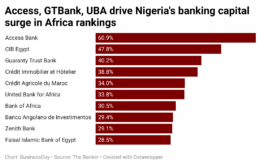
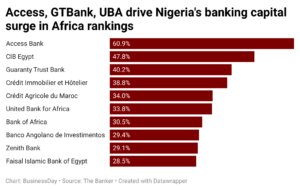
Access Holdings recorded Africa’s largest increase in Tier 1 capital in The Banker’s latest global rankings, leading a strong performance by Nigerian lenders as recapitalisation and regional expansion strengthen the country’s banking sector.
Why it matters: Stronger capital positions enable banks to finance larger projects, support economic growth and compete more aggressively across Africa as cross-border banking expansion accelerates.
Africa’s youngest billionaire backs Dangote’s Kenya refinery with $100m
Tanzanian billionaire Mohammed “Mo” Dewji has pledged to invest $100 million in Aliko Dangote’s planned refinery in Kenya, bringing together two of Africa’s leading industrialists behind a project expected to reshape East Africa’s fuel market.
Why it matters: The investment underscores the growing role of African private capital in financing the continent’s industrialisation and reducing dependence on imported refined petroleum products.
Angola cuts rates to five-year low despite Middle East tensions
Angola’s central bank lowered interest rates to their lowest level in more than five years, signalling confidence that inflation is easing even as renewed geopolitical tensions threaten to push global energy prices higher.
Why it matters: Lower borrowing costs could support business investment and economic growth, while offering a signal that some African central banks are prioritising domestic recovery despite external risks.
IMF data questions Ethiopia’s lending cap as credit surges
New IMF data show private-sector lending in Ethiopia was already growing far above the central bank’s official credit ceiling before authorities scrapped the restriction, raising questions about how effective the policy had become.
Why it matters: The findings reinforce Ethiopia’s shift towards market-based monetary policy and suggest the country’s financial sector may be entering a new phase ahead of greater competition from foreign banks.
Chart of the Week

Join BusinessDay whatsapp Channel, to stay up to date
Open In Whatsapp