For two decades, MTV Base has been more than just a music channel—it has been a movement and culture shifter. It is a force that shaped Africa’s entertainment landscape, amplified its music and propelled its culture onto the global stage. Since its launch, the channel has been a powerful platform for African creativity, elevating voices and positioning African pop culture at the heart of the global music industry.
I remember the first time I heard Tuface Idibia’s “African Queen” on MTV Base; it felt like the whole world had stopped to listen. The song was everywhere: from car stereos to street corners, from lovebirds dedicating it to their partners and kids miming every lyric. I sang it repeatedly, and when it entered the soundtrack for American RomCom, Phat Girlz, even Hollywood paused to pay attention. That was 2005. Back then, African artists did not have the global spotlight. There were no Afrobeats superstars headlining Coachella, topping the Billboard charts, or winning the Grammys. But we knew the talent was there. The music was there. It just needed a platform.
That is what MTVBase became.
From day one, we have made it our mission to amplify African voices. We did not merely air music videos; the channel became a launchpad for the rise of artists like Wizkid, Burna Boy, Yemi Alade, Davido, and Tiwa Savage. These artists did not just rise; they soared. They filled stadiums, topped global charts, and won international awards such as the MTV EMAs with Tiwa Savage making history as the first African female to win Best African Act.
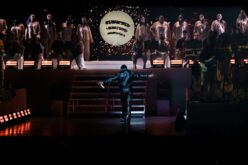
But we did not stop at showcasing talent—we celebrated it. The MTV Africa Music Awards (MAMAs) were not just another award show; they became a cultural movement, a stage where African excellence was honoured on a grand scale. The energy, the spectacle, the recognition—it was electric. It proved that African music was not waiting for global validation.
It was creating its moment.
With every song aired and every story told, MTV Base sent a clear message: African music is not just part of the global conversation—it is leading it.
It shaped how young Africans dressed, spoke, and saw themselves. It influenced fashion, language, and the way we express our identity. It created a space where self-expression was not just encouraged—it was celebrated.
And as African music grew, so did we.
We connected African talent with the world. The artists we championed collaborated with Beyoncé, Jay-Z, Drake—and the world listened. When Tyla made history at the 2024 MTV Video Music Awards (VMAs), it was not just about her. It was about every African artist who had fought to be seen, heard and counted.
The industry has evolved, and so has MTV Base. It has adapted and remained ahead of the curve, from traditional TV to digital dominance. Shows like Ghosted, The Code, and MTV Base Inside Life reflect this new era—where content meets storytelling and resonates deeply with today’s audience.
But the impact is not just on-screen. MTV Base has nurtured the next generation of media talent. Through the MTV Base VJ Search and Culture Squad, it has given fresh voices a chance to rise, ensuring that African storytelling continues to thrive.
At its core, MTV Base has always been about elevating Africa. Every artist spotlighted, every award show hosted, and every track played has reinforced one undeniable truth—African music is not just relevant; it is unstoppable.
As MTV Base celebrates 20 years on the continent, this milestone is not about looking back. It is about the future. Bigger innovations, deeper collaborations and bolder moves. The last two decades shaped history, but the best is yet to come.
Africa’s time is now, and MTV Base is leading the way.
Busola Komolafe is the senior channels manager, Paramount.

Join BusinessDay whatsapp Channel, to stay up to date
Open In Whatsapp