

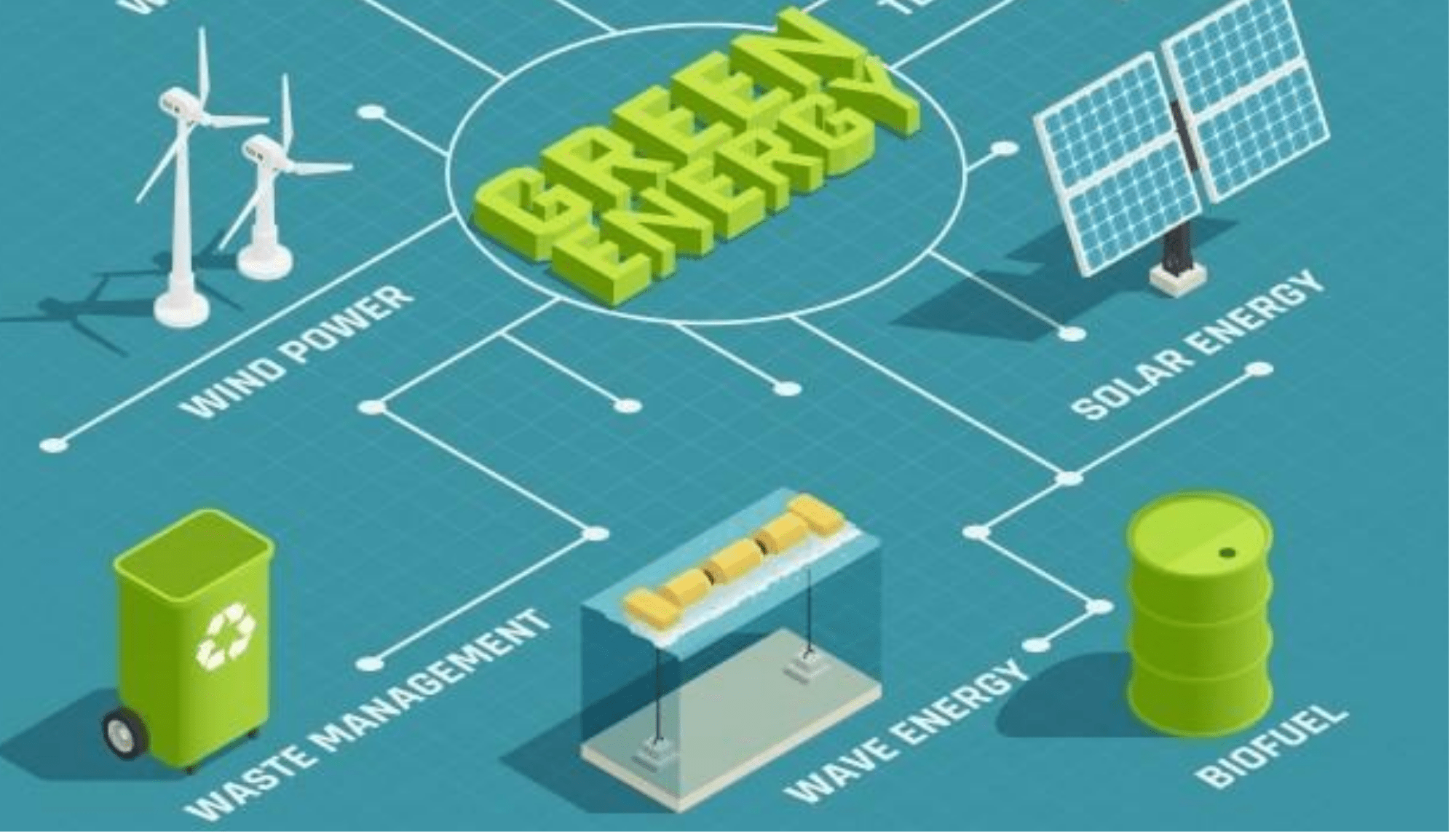
Embryo Incubation for green energy entrepreneurs has begun with a virtual pitch session on Monday to help renewable energy start-ups scale from the idea stage to investment readiness.
The Embryo Incubation Programme is in its second edition, sponsored by All On, a Nigerian off-grid energy impact investment company. Other sponsors include the Nigeria Climate Innovation Centre (NCIC) and the Lagos Business School’s Enterprise Development Centre.
For this year’s edition, 500 impact enterprises providing green energy solutions applied but 20 were selected. Among these 20, the green energy solutions wrestle clean cooking, clean electricity and transport.
Last year, 100 impact enterprises applied and 15 met the scalability requirements.
These 20 viable impact enterprises for 2021 will receive six months of coaching organised into 17 modules. Some of the modules include financial modelling, strategy, pitching, and product innovation, according to Adamu Garba, head, Business Development at NCIC.
From among the 20 start-ups, some will go home with $10, 000 grants at the end of the incubation programme.
Backed by a $3.50 million grant from the Rockefeller Foundation, the All On Hub creates a pipeline of scalable, investable and sustainable off-grid energy businesses in Nigeria. This off-grid hub is involved in helping the 20 embryonic businesses become sustainable.
“We help start-up businesses move from the ideation to Angel, growth and market-ready stages,” Sele Inegbedion, manager, All On Hub said during the virtual pitching session on Monday.
Some estimates show that Nigeria has power gaps of about $200 billion, agricultural waste of 40 percent and 200 million people creating waste that is not recycled.
Economies around the world have set zero-carbon emission targets. This has created a growing market for electric vehicles, biofuels, and renewable sources of energy and Nigeria’s green energy economy is booming too.
“It is about people, the planet and profit. Stocks of companies in the green energy space are some of the most sought after,” Bankole Oloruntoba, CEO, NCIC said. “Impact enterprises should save the world but also operate sustainably.”
The total sum of global investment into renewable energy in 2019 reached $282.20 billion last year, according to the World Bank.
This was supported by a 28 percent annual increase in investment from the U.S., totalling $54.6 billion. Europe financed $54.6 billion, down 7 percent from 2018.
In Nigeria, Lagos State generates 1.30 million tons of plastic waste every year. Currently 10 percent is recycled. It is estimated that the increase of plastic recycling to 50 percent, can yield a $250 million return for the industry.
Although both recycling companies and informal workers are collecting plastic waste, a huge amount still ends up in the ocean.
Oloruntoba advised the 20 start-ups to understand the green ecosystem and the role of government, private sector, academia, the development sector and the creative small and medium enterprises sector.
Some of the 20 pitching start-ups are Bebeque Energy that generates energy from biomass. Darlton Consult converts food wastes to biogas for cooking and Drift Power exploits solar energy.


Join BusinessDay whatsapp Channel, to stay up to date
Open In Whatsapp


