Private equity (PE) firms are positioning to play a greater role in Nigeria’s fast evolving power sector as the need for re-financing of purchased assets leads to deals in the sector.
“PE plays a critical role in a deregulated economy as they help to mobilise capital to various sectors where capital is needed,” said Okey Enelamah, CEO, Africa Capital Alliance, a PE firm, at the annual Africa Private Equity and Venture Capital Association (AVCA) conference in Lagos, yesterday. “A lot of work is being done with the private institutions that bought these power assets using mostly bank debt, but are struggling to find long-term capital.”
PE firms raised $3.3 billion in capital in 2013, a 130 percent increase from the levels seen in 2007, according to a recent report by Ernst & Young.
It is estimated that Nigeria needs an annual investment of $3.5 billion to achieve its generation capacity target of 40,000 megawatts (MW) by 2020. The country recently concluded the first phase of its power privatisation process through the sale of 18 companies unbundled from the former government monopoly (PHCN) comprising six generation companies (Gencos), 11 distribution companies (Discos), and a transmission company (TCN).
“When you look at the dearth of capital, size of the informal sector in Nigeria and Africa, PE is essential,” said Dapo Okubadejo, partner and Africa head of M&A, PE and transaction advisory, KPMG. “PE has put in place risk appetite to back entrepreneurs.”
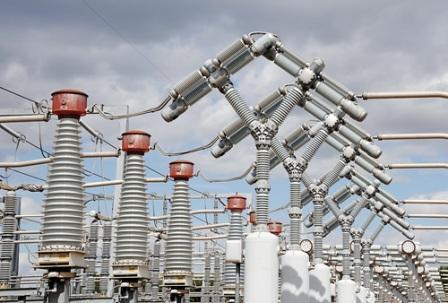
The private power owners, including Discos and Gencos, owe at least $2.45 billion (debt-equity percentage mix of 70:30) to largely Nigerian banks for financing of power assets acquired at a total cost of $3.5 billion.
Analysts say that some of those bank loans need to be re-financed into longer-term debt capital, as they come due, to enable the new private owners raise more money to follow through on capital expenditure (capex) pledges necessary for improving power output. African PE firms can play a bigger role in the power sector due to their ability to deploy patient capital.
“The PE exits are usually more towards the five-year timeframe in Africa, as opposed to three years in Asia,” said Sev Vettivetpillai, partner and head of global funding, The Abraaj Group.
PE firms have had some success stories in other emerging growth sectors in Nigeria in the past. Paga, Nigeria’s largest mobile payments network, has received venture capital funding which has enabled it to grow its business to the one-million user mark.
Interswitch, Nigeria’s leading payments provider, received funding to the tune of $110 million from PE firm, Helios Investment Partners, giving firepower to Interswitch in its quest to develop itself into an African-wide payments processor using its signature ‘Verve’ card.
The Nigerian government is also poised to assist the growth of the PE industry in the country, according to Olusegun Aganga, minister of industry, trade and investment, in a video conference address at the AVCA conference.
“In September 2013, a Nigerian venture capital/PE initiative was developed, which involves addressing the legal, regulatory, tax and policy impediments to the growth of the sector,” Aganga said.
PATRICK ATUANYA & BALA AUGIE

Join BusinessDay whatsapp Channel, to stay up to date
Open In Whatsapp