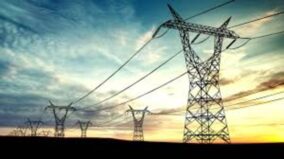
In a bid to cover the entire supply chain including new growth areas, big oil companies are turning their focus on the electricity sector after gaining inroads into the electronic car and renewable energy markets.
In 2018, French Total invested more than US$1.7 billion in its local electricity retailer Direct Energie to fit an ambitious expansion plan. According to CEO Patrick Pouyanne, electricity will be the energy of the 21st century and Total is using every opportunity to expand there.
Since 2014 when Pouyanne assumed the top post at Total, the company has become a utility as well as an oil and gas company after a string of acquisitions across power generation (Eren), battery manufacturing (Saft), and power distribution (Direct Energie, Lampiris). In Sub Saharan African market, the company is increasingly gaining a foothold in the renewable energy market.
Not to be outdone, Shell is seeking to become not just a player in electricity generation, but also the biggest one by 2030. The Anglo-Dutch super-major revealed it was pouring US$2 billion annually into its new energies division that aimed to expand its presence in cleaner power generation. This segment could yield returns of between 8 and 12 percent, the head of the new energies unit, Maarten Wetselaar, told Bloomberg.
Oil price reports that like Total, Shell is growing through acquisitions in the power generation and distribution sector as well as in electronic vehicles (EV) charging. This power plan fits in with the company’s strategy of reducing the portion of oil in its overall production to 25 percent from 50 percent and raising the portion of gas to 75 percent. What’s more, however, Shell specifically plans to materialize its power ambitions by betting on renewables rather than on conventional power generation and distribution.
Nigeria’s electricity market is fraught with risks that preclude intense involvement of big oil companies but this does not mean they are not playing a role. Gas produced by international oil companies (IOCs) help to provide feedstock for Nigeria’s legacy power plants. Until market issues are resolved, a big involvement by IOCs may be unrealistic at the moment.
However, analysts believe power generation and distribution is already turning into the new battleground for major oil companies in other countries. Andrew Critchlow, S&P Global Platts’ head of news for EMEA, warned in a recently published analysis that this Big Oil rush into power utilities might potentially “create a new breed of gigantic energy-controlling monopolies.”
Such monopolies, if they ever materialize, which is questionable, are quite a way off says Oil price and compared Big Oil’s shift into electricity to what Big Tobacco did after the offense against smoking began. It regrouped and went into e-cigarettes.
Big oil companies will instantly have huge advantages should they consider aggressive entry. They are better positioned, have vast investment budgets to meet electricity demand growth from a burgeoning population and rising energy needs. It could also displace renewable energy companies on competition for cheaper power.

Join BusinessDay whatsapp Channel, to stay up to date
Open In Whatsapp