Successive controversies surrounding the alleged Presidential Foreign Investment Promotion Council (PFIPC) and the Border Communities Development Agency (BCDA) have intensified scrutiny of the federal government’s oversight mechanisms, with lawyers, opposition figures and lawmakers arguing that the incidents point to broader weaknesses in institutional accountability rather than isolated administrative lapses.
The latest concerns come as President Bola Tinubu directed the Independent Corrupt Practices and Other Related Offences Commission (ICPC) to investigate the PFIPC controversy within 30 days, while the BCDA leadership dispute has fuelled fresh debate over compliance with due process in government appointments.
In the PFIPC case, attention has shifted beyond the criminal charges against its self-acclaimed Director-General, Adeniyi Adeyemi, to questions about how a body the Presidency insists never existed allegedly operated within government circles, interacted with public institutions and appeared in the 2026 Appropriation Act with a N1.3 billion allocation.
Read also: 2027 Election Insights: Was the PFIPC scandal a lone forgery scheme or enabled by insiders?
Adeyemi is facing charges bordering on alleged forgery, impersonation and obtaining money by false pretences. He has denied the allegations, and the matter is before the court.
Akinwole Okenile, a human rights lawyer, said the criminal trial should not overshadow broader questions about institutional accountability. He argued that if the PFIPC was never an authorised government agency, investigators must determine how it allegedly circulated official-looking documents, engaged public institutions and attracted public confidence before authorities intervened.
According to him, governments are judged not only by how they prosecute alleged offenders but also by how effectively they prevent institutional failures. He called for an independent review of the circumstances surrounding the alleged operations of the organisation and any weaknesses that made them possible.
Former Vice President Atiku Abubakar also called for an independent investigation, arguing that the controversy cannot be explained solely by Adeyemi’s alleged actions. He said investigators should establish who authorised or facilitated the activities of an organisation now described by the Presidency as non-existent.
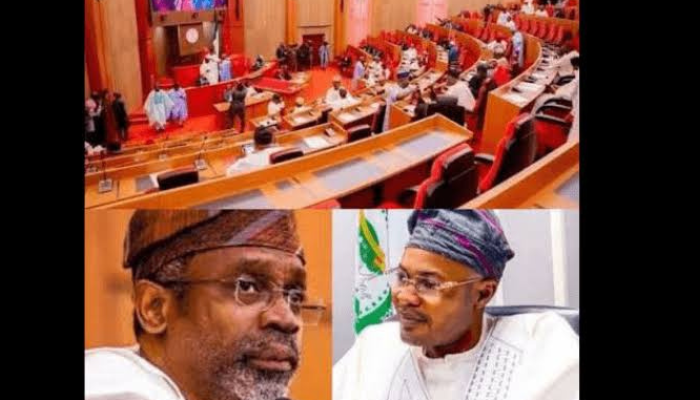
The Senate, however, declined for the second time in one week to investigate the alleged budgetary allocation to the PFIPC. Senate President Godswill Akpabio ruled that the matter was already before a court and under executive investigation, making a separate legislative probe inappropriate at this stage.
The controversy widened after Atiku linked the PFIPC case to the ongoing BCDA leadership dispute, describing both as symptoms of deeper governance challenges.
According to him, the BCDA controversy follows a series of avoidable incidents that have weakened public confidence in government and exposed alleged deficiencies in institutional coordination, legal vetting, consultation and adherence to due process.
“When one incident occurs, it may be dismissed as human error. When it happens repeatedly, it becomes evidence of systemic failure. From NIPOST to PFIPC and now BCDA, this administration has demonstrated an alarming inability to coordinate even routine governmental decisions,” Atiku said.
He urged the Presidency to clarify the legal status of the BCDA leadership and ensure that future appointments strictly comply with the law. He also argued that the recurring controversies should prompt the government to focus on addressing governance challenges rather than early political calculations.
The Presidency has maintained that the ICPC investigation into the PFIPC is sufficient to establish the facts. Presidential spokesman Temitope Ajayi said the anti-corruption agency has the legal mandate to investigate the matter and questioned calls for a separate inquiry.
As investigations continue, analysts say the debate has evolved beyond the alleged actions of individuals to the strength of the institutions responsible for safeguarding public administration. For many observers, the recurring controversies have become a test of whether existing oversight mechanisms are capable of preventing administrative failures before they undermine public trust.
If agencies that allegedly do not exist can appear to function, and disputes over statutory appointments continue to emerge, are these isolated incidents, or warning signs that Nigeria’s system of government oversight requires far deeper reforms?

Join BusinessDay whatsapp Channel, to stay up to date
Open In Whatsapp