The United States House of Representatives has approved an amendment that would withhold 100 percent of US assistance to Nigeria until the Federal Government demonstrates concrete progress in preventing violence, protecting vulnerable communities, and holding perpetrators accountable.
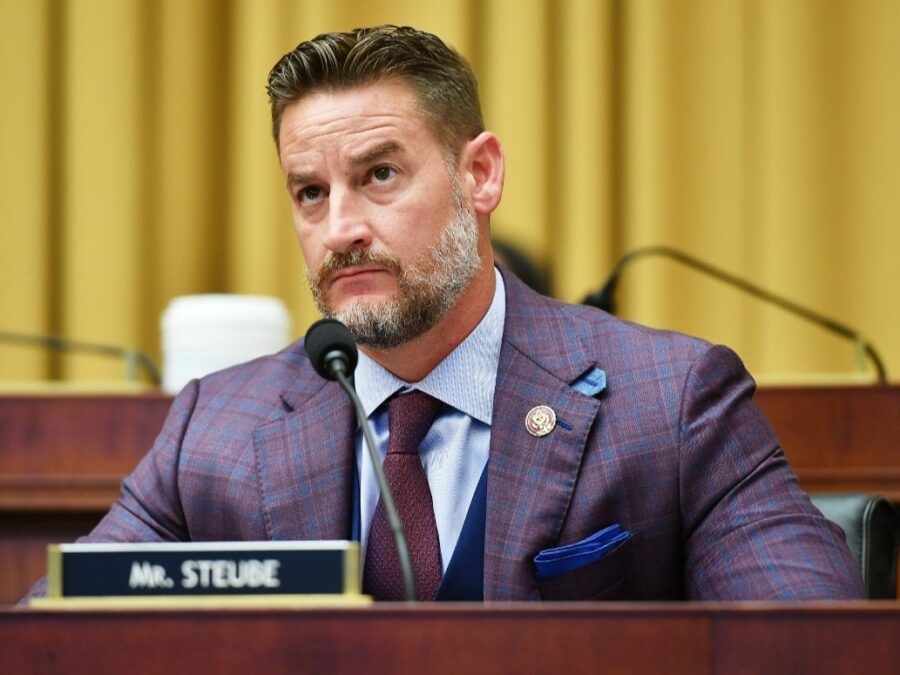
The amendment, sponsored by Republican Congressman Gregory Steube of Florida’s 17th Congressional District, raises the withholding threshold from 50 percent to 100 percent, significantly increasing pressure on Abuja amid growing criticism in Washington over insecurity and alleged religious persecution in Nigeria.
Lawmakers adopted the proposal on Wednesday through a voice vote during consideration of appropriations legislation.
The move builds on an earlier provision introduced in April that sought to withhold half of US assistance to Nigeria until the Secretary of State certifies that the Nigerian government has taken “effective steps to prevent and respond to violence and hold perpetrators accountable.”
Explaining his amendment on the House floor, Steube argued that withholding only half of the assistance sent the wrong message at a time when violence remains widespread.
“I rise in strong support for my amendment to increase the withholding threshold for assistance to Nigeria, from 50 percent to 100 percent, while keeping in place benchmarks that demand Nigeria take effective steps to address the violence and persecution that continue to devastate the country,” he said.
The lawmaker accused the Nigerian government of failing to adequately confront insecurity and protect its citizens.
“Nigeria has faced a horrific wave of violence that its corrupt government has failed to address,” Steube said.
“For years, and especially in recent months, Christians and other religious minorities in Nigeria have been subjected to violence and terrorism at the hands of extremists operating with impunity.”
He cited attacks on Christian communities as justification for the tougher aid restrictions.
“Christian women and girls continue to be abducted, assaulted, tortured, and killed. Their churches are burned, and entire communities are erased,” he said.
Steube questioned the logic of continuing assistance to a government that has not met conditions already attached to the funding.
“If the aid conditions included in the bill are important enough to withhold half of all the funding to the Nigerian government, then they are important enough to withhold all of the funding,” he said.
“The generosity of our taxpayers is a reflection of the American values we hold so firmly. Never should we allow their hard-earned tax dollars to be funnelled to corrupt regimes that fail to uphold religious freedom, fail to adequately confront terrorism, and fail to protect the innocent from persecution.”
He added: “So, why are we rewarding a government that fails to meet such a basic obligation?”
The amendment marks the latest escalation in Washington’s increasingly hardline stance toward Nigeria over insecurity and religious freedom concerns.
It comes against the backdrop of a series of congressional hearings and investigations into violence in Nigeria, particularly in the Middle Belt and northern regions, where some US lawmakers have alleged systematic persecution of Christians.
In recent weeks, House Appropriations and House Foreign Affairs Committee members have held hearings examining kidnappings, religious violence, and the effectiveness of the Nigerian government’s response. Those sessions culminated in recommendations calling for sanctions against perpetrators of violence, expanded security cooperation with the United States, and stronger diplomatic pressure on Abuja.
Steube also linked his proposal to broader concerns about US spending priorities, arguing that foreign aid should be used as leverage to secure reforms.
Read also: Nigeria falls behind global peers on 90% of prosperity indicators
He said it was difficult to justify continued assistance to Nigeria while insecurity persists and the United States grapples with mounting fiscal pressures at home.
According to him, the amendment would ensure that American assistance is “appropriately leveraged to defend, reflect, and uphold American values.”
The vote further deepens scrutiny of Nigeria in Washington following President Donald Trump’s decision in 2025 to redesignate the country as a Country of Particular Concern (CPC) over allegations of religious persecution and violence against Christian communities.
If enacted into law, the measure would effectively suspend all US assistance covered under the appropriations bill until the Secretary of State certifies that Nigeria has taken effective action to curb violence, protect civilians, and hold those responsible accountable. The development is expected to add pressure on the Tinubu administration as it seeks to maintain strategic and security ties with the United States amid growing criticism from influential members of Congress.

Join BusinessDay whatsapp Channel, to stay up to date
Open In Whatsapp