…Secures 25-Year gas franchise in Ibadan, Benin, Lekki Zone
NIPCO Plc, one of Nigeria’s largest downstream petroleum marketers, reported a turnover of N1.979 trillion for the financial year ended December 31, 2025, as the company leaned into an aggressive diversification push spanning compressed natural gas, upstream oil and gas, and hospitality, even as the country’s newly deregulated fuel market squeezed margins across the sector.
The company posted profit before tax of N17.271 billion and profit after tax of N12.227 billion for the year, according to figures presented at its 22nd Annual General Meeting, held at the Abuja Continental Hotel. The board recommended a dividend of N1.501 billion, or N8.00 per ordinary share — an increase shareholders were told reflects confidence in the company’s trajectory despite what management described as “current headwinds in the sector.”
“This dividend of 800 kobo per share, despite the current headwinds in the sector, demonstrates the Company’s resolve to grow shareholders’ return on investment consistently, “Bestman Anekwe, NIPCO Chairman told shareholders. The payout is subject to shareholder approval and will be paid net of withholding tax.
A market in transition
NIPCO’s results are set against the backdrop of one of the most consequential shifts in Nigeria’s downstream petroleum history: the near-complete deregulation of gasoline pricing and the transition to a market-based pricing mechanism, alongside the commissioning of the 650,000-barrel-per-day Dangote Refinery.
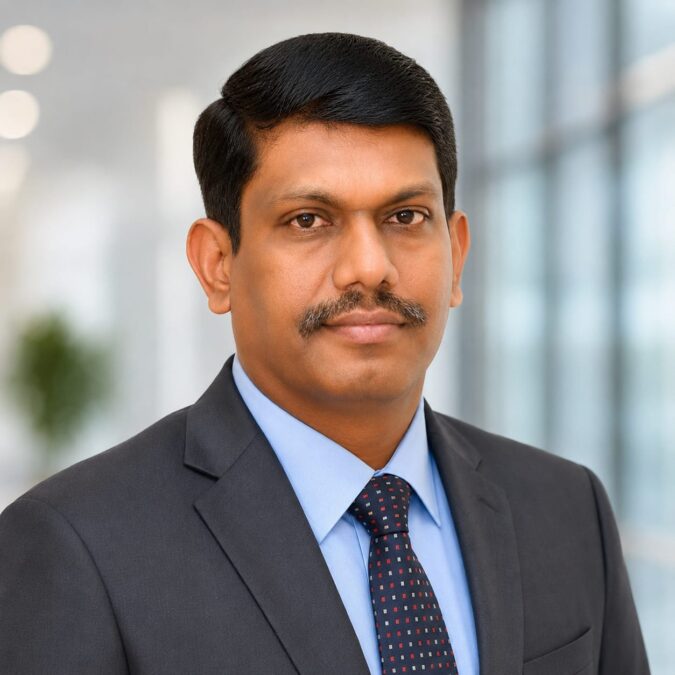
Suresh Kumar, managing director and CEO, described the changes as reshaping “everything from refining operations and distribution to market competition and consumer access.”
He said the deregulation push introduces “new opportunities for competition, transparency, and efficiency,” while cautioning that the policy “also ushers some challenges which respective companies have to devise appropriate” strategies to mitigate.
Kumar also pressed for the sector’s full liberalisation, telling shareholders that operators should be permitted “to source products independently while adhering to quality assurance standards”, a signal that NIPCO, like other marketers, is positioning for a market in which import and supply chains are no longer tightly centralised around a handful of players.
Anekwe struck a similar note, framing 2025 as a year defined by the Federal Government’s “Renewed Hope Agenda” and its effort to align the energy sector with broader industrialisation goals.
He pointed to sector-wide data points cited at the meeting: the 2025 Licensing Round offering 50 exploration blocks, approval of 43 new Field Development Plans, oil output reaching 1.71 million barrels per day, and gas-to-power supply hitting its strongest levels in months. He also cited the divestment of multinational oil majors from onshore assets as a double-edged development, a source of industry disruption but also an opening for indigenous firms to expand their footprint.
Retail network expansion
On the ground, NIPCO said it grew its branded retail network to more than 400 fuel stations nationwide for petrol and diesel, with additional outlets in what the company called “incubation stage” ahead of formal launch. Kumar said the expansion was aimed at deepening market penetration and improving product availability along key transport corridors, even as the regulated downstream environment presented persistent operational challenges.
The company’s liquefied petroleum gas division, which supplies cooking gas to households and businesses, reported combined storage capacity of about 19,500 metric tonnes and 10 loading bays capable of trucking more than 4,000 tonnes of LPG daily. Management said the infrastructure supports both bulk sales to company-owned distribution points and supply to third-party LPG operators.
CNG buildout accelerates
Perhaps the most significant growth story within NIPCO’s portfolio is its natural gas vehicle business, run through subsidiary NIPCO Gas Limited. The unit currently operates 25 Auto CNG stations across Nigeria and has a further 20 under construction. To date, it has facilitated the conversion of more than 8,000 vehicles to run on compressed natural gas.
NIPCO Gas is also rolling out 35 additional CNG stations in partnership with NNPC Gas Marketing Limited and the Presidential CNG Initiative, a federal program aimed at shifting transport demand away from petrol and diesel toward cheaper, cleaner-burning gas. Management said the expanded network is targeting support for more than 200,000 vehicles daily once fully built out.
The subsidiary also holds 25-year exclusive gas distribution licenses covering Ibadan, Benin City, and the Lekki Free Trade Zone — a set of concessions that gives NIPCO a long runway to build out piped gas infrastructure in those markets without direct competition, and positions the company as a direct beneficiary of federal policy aimed at monetizing Nigeria’s gas reserves under the so-called “Decade of Gas” initiative.
The Savannah Energy Bet
The single largest strategic move disclosed at the meeting was NIPCO’s equity push into Savannah Energy Plc, a UK-listed upstream and midstream gas company with African assets. According to Kumar, NIPCO initially acquired approximately 19.4 percent of Savannah’s enlarged share capital through a £28.7 million transaction combining a primary subscription and secondary market share purchases. The company has since increased that stake to roughly 25 percent, with the potential to reach 26.5 percent pending further secondary market purchases.
Anekwe put NIPCO’s holding somewhat higher, telling shareholders the company had acquired “approximately 21%” of Savannah’s share capital and describing NIPCO as the company’s largest shareholder. The discrepancy between the two figures cited at the same meeting — 19.4%-to-25% from the CEO versus 21% from the Chairman — was not reconciled in either address, and may reflect different reference dates or in-progress transactions rather than a substantive conflict.
Regardless of the precise figure, the message from both executives was consistent: the Savannah stake marks NIPCO’s formal entry into upstream and midstream gas production, a segment the company has not previously operated in at scale, and one that diversifies its earnings away from thin, price-controlled downstream fuel margins.
A Hotel, too
In a departure from its energy-sector core, NIPCO has also built a position in hospitality. Through subsidiary 22 Hospitality Ltd, the company acquired a majority stake in Capital Hotels Plc, owner of the Abuja Continental Hotel — the same venue hosting the AGM, and formerly operated as the Sheraton Abuja. Kumar said the property is undergoing a phased renovation aimed at repositioning it as a premier luxury destination in the capital, with plans for a hospitality training academy in partnership with the federal government.
Outlook
Both executives struck a cautiously confident tone on 2026. Kumar said the company would continue to expand its white-oil retail footprint, deepen its CNG and gas distribution infrastructure, and pursue further growth in the upstream segment via Savannah Energy, while “leveraging opportunities, managing risks, and driving sustainable growth” in Nigeria’s energy sector.
Anekwe was more direct about the competitive pressure facing the company, telling shareholders NIPCO remains focused on “augmenting its investment portfolio across all business lines” and refining its marketing strategy “to maintain a competitive edge and stay ahead of industry peers” as full deregulation reshapes the downstream landscape.
Neither address disclosed forward guidance on turnover or profit for 2026, nor did management provide a specific capital expenditure figure tied to the CNG station rollout, the Savannah Energy stake increase, or the Abuja Continental Hotel renovation — details that analysts covering the stock will likely press for in follow-up disclosures.
NIPCO shares trade on the Nigerian Exchange. The company did not disclose a specific dividend payment date at the meeting; the N8.00-per-share payout remains subject to shareholder ratification.


Join BusinessDay whatsapp Channel, to stay up to date
Open In Whatsapp