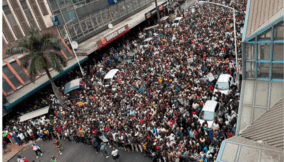
About 25 years ago, South Africa was seen by some Nigerians and other Africans to be what Europe and Western nations were to them. A land of opportunity, with promise of better jobs, quality education, good standard of living and social security with good amenities.
At that period, the end of apartheid in 1994, achieved by African stakeholders led by Nigeria, did not only bring new optimism, but opened the country to tourists and global investors big and small. The country’s economy was big, growing at over 3.2 percent with per capita at over $3,000 that it was placed as one of the 25 largest economies in the world.
Following the achievement of democracy and market freedom, the country started attracting other African migrants who planned to live, do business, continue their careers and earn a living.
South Africa was after all seen as next African friendly country that can accommodate its brothers who helped it fight apartheid.
The migrants from countries like Nigeria, Ghana, Mozambique, Tanzania among others who fought against apartheid, some of whom ventured into trade and jobs saw South Africa like Europe where hard work will be rewarded.
A few years after and surprisingly, the country started becoming unfriendly to fellow Africans. A word emerged in the lexicon: Xenophobia to describe the prejudice against foreigners especially the migrants from other African countries.
Today, the proponents and supporters of xenophobia are fighting anything they consider foreign.
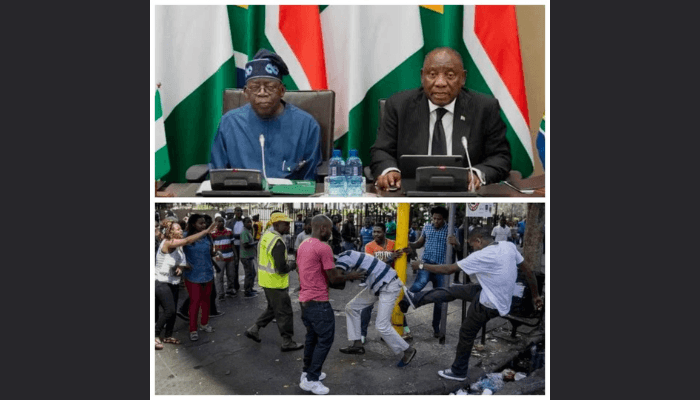
Carelessly, they are not only attracting hatred and demarketing the once loved country; by killing other nationals and forcing them to leave the country whom in their imagination are competing for their jobs and resources but they are throwing South Africa back to pre-1994 era.
The attacks are fueling hatred and tarnishing the country’s global image. The country is losing Africa’s trust over repeated attacks on foreign nationals and it is losing decades of goodwill, say some analysts.
Onoriode Akusu, a media consultant based in Lagos said from the stories he hears, the xenophobia is not putting South Africa in good light internationally. He claimed that their artists are losing endorsements. This cannot be verified.
The South African brand is damaged in terms of affection and it is seen as lacking empathy, says Akonte Ekine, CEO of Absolute PR and convener of Consumer Value Awards.
Other nationals with their investments are not only leaving South Africa in droves but they are spreading the ugly narratives about the country. As at last week, Nigeria has evacuated a total of 324 of its citizens from South Africa. A batch of 66 arrived last week.
Mozambique as at last month planned to repatriate nearly 1,000 citizens from South Africa. According to the Mozambican government, the attacks affected 884 Mozambican citizens, with more than 300 returned to Mozambique voluntarily. Ghana planned to evacuate 300 citizens from former apartheid enclave . Ghana’s Foreign minister Samuel Okudzeto Ablakwa said the citizens had registered for assistance with the Ghana High Commission.
On several occasions, Nigerian Union South Africa (NUSA) has condemned the killing of Nigerians in their homes in South Africa. One of such killings recently was Chikamnene Eddie Mmuonagorom, an indigene of Anambra State, at his home in Floville, Kimberley. NUSA described the killing as a “senseless act of violence” and urged the South African Police Service to ensure that those responsible are promptly and fully prosecuted. But it is not sure much was done here.
The Nigerian community in South Africa in May, 2026 said at least 105 Nigerians have been killed in the country over the past seven years, following the wave of xenophobic attacks against migrants.
Recently, African delegates attending seminars in China condemned xenophobic attacks against foreign African nationals in South Africa and called for greater unity across the continent.
They described the reported attacks as disturbing and contrary to the ideals of Pan-Africanism, solidarity, and peaceful coexistence. Yusupha Bojang of The Gambia’s National Council for Civic Education said Africans must see themselves as one people irrespective of colonial-era boundaries.
The most disturbing aspect of xenophobia, and the reason it has drawn global condemnation, is the targeting, attack, and killing of people from other countries.
Before the 2026 World Cup started, South Africa came least among African countries to be supported by some Nigerians in a poll conducted by BusinessDay. “Let them exit the World Cup to face their jobs in their country”, a respondent said.
Some investors too are also disheartened by the xenophobia attacks on Nigerians and other national. Recently, the Chairman and Chief Executive Officer of Air Peace, Allen Onyema, according to media report urged Nigerians to stop investing in South Africa in response to recurring xenophobic attacks against African migrants, including Nigerians.
“How do you explain where people will march into somebody’s house, bring him or her out, questioning them, ‘Can I see your papers? You are a foreigner. You have to go back home,’” he wonddered.
According to Onyema, many Nigerian migrants contribute positively to the South African economy by establishing businesses and creating jobs.
The Air Peace boss accused South African authorities of failing to adequately protect foreign nationals during periods of unrest.
Unfortunately, as the country continues killing other nationals and deportation of other African migrants, it faces increased continental criticism which may discourage investments as canvassed by the likes of Onyema and in the long run affect inflow of investors.
The spirits of notable African founding fathers will be saddened even in the grave over attacks by South Africans on fellow Africans, a crime they would have described as atypical of Africa spirit. These leaders include Kwame Nkrumah, Jomo Kenyatta, Nnamdi Azikiwe, Julius Nyerere, Patrice Lumumba, Nelson Mandela, Ahmed Sékou Touré, Léopold Sédar Senghor, Kenneth Kaunda and Haile Selassie among other notable individuals who were major voices in Pan-Africanism.
The hostility and forceful extradition of migrants which is already damaging the reputation of South Africa, may also reduce economic activity, weaken trade and eventually lead to less jobs. An analyst says Media campaigns are needed to educate supporters of xenophobia on the dangers of their actions. “Let south Africa be loved again”.

Join BusinessDay whatsapp Channel, to stay up to date
Open In Whatsapp