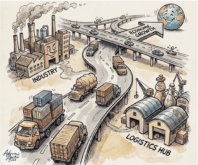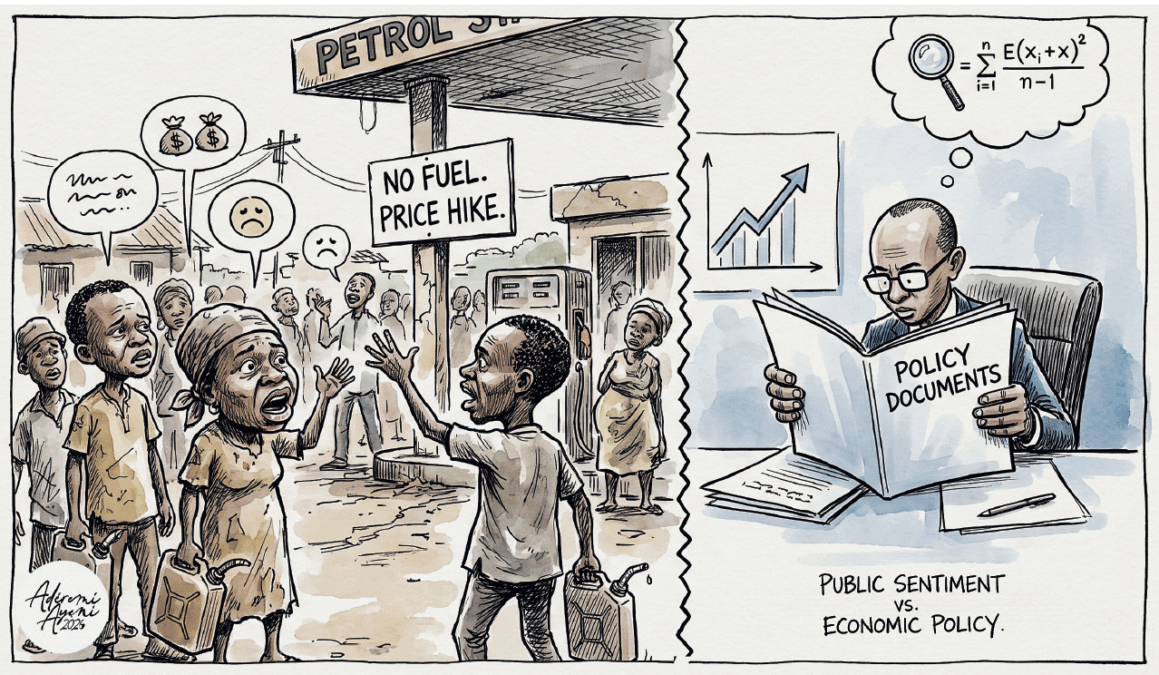
The word “subsidy” has acquired a meaning of its own in Nigeria. Rather than being seen as an economic policy tool, it has become synonymous with corruption, waste and fiscal recklessness. That perception is understandable, particularly after years of abuse in the petroleum sector. But subsidy itself is neither inherently good nor bad. Across the world, governments use it to support industries, stabilise prices and protect vulnerable groups. The challenge is not subsidy itself, but how it is designed, implemented and monitored.
Globally, sub