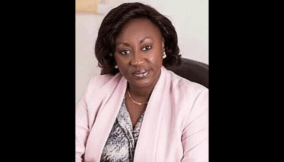
The Federal Ministry of Health and Social Welfare, through its National Cancer Control Programme (NCCP), has launched the Social Determinants of Health (SDOH) Fund to support cancer patients in the South-East geopolitical zone.
The initiative, tagged “Removing Barriers to Cancer Care: Supporting Access to Life-Saving Treatment,” identified 21 beneficiaries from the five South-East States for the first phase of the programme.
Each beneficiary will receive N100,000, bringing the total disbursement to N2.1 million.
Iziaq Salako, the Minister of State for Health and Social Welfare, who spoke during the launch at the International Conference Centre, Enugu, recently, said the intervention was designed to address the socio-economic challenges that often prevent cancer patients from accessing treatment.
Salako, who was represented by Daju Kachollom, the Permanent Secretary of the Ministry, noted that the Enugu launch followed the successful rollout of the programme in the North-Central zone in Abuja.
She revealed the Federal Government’s plan to extend the initiative to all six geopolitical zones to ensure equitable access to cancer care nationwide.
According to her, health outcomes are influenced not only by the availability of healthcare services but also by social and economic factors that determine patients’ ability to access and benefit from treatment.
“For many cancer patients and their families, the journey from diagnosis to treatment is often complicated by transportation costs, accommodation challenges, loss of income, nutritional needs and the need for psychosocial support. Addressing these barriers is essential if we are to achieve equitable and sustainable cancer care,” she said.
Kachollom explained that the programme aligns with the Nigeria National Cancer Control Plan (2026–2030) and broader health sector reforms aimed at reducing both the physical and financial burden of illness on Nigerians.
She highlighted the ongoing Federal Government’s efforts to expand access to affordable cancer care through investments in treatment infrastructure, free cancer screening programmes, subsidised treatment services and the Cancer Health Fund.
The minister commended the NCCP Technical Working Group (TWG) for establishing a transparent and evidence-based verification process to ensure support reaches the most vulnerable patients.
She also called on philanthropists, development partners, corporate organisations and civil society groups to support the initiative and help expand its reach.
“The fight against cancer cannot be won by the government alone. It requires collective action, compassion, innovation and sustained commitment from all sectors of society,” she stated.
Earlier, Obinna Onodugo, the Chief Medical Director of the University of Nigeria Teaching Hospital (UNTH), Enugu, described the SDOH programme as a significant shift in healthcare delivery.
He said the initiative recognises the importance of addressing non-medical factors such as poverty, education, environmental conditions and community infrastructure, which have a profound impact on health outcomes.
“We are moving beyond the traditional treatment of illness to aggressively address the conditions in which people are born, grow, work and age. To achieve universal health coverage, we must tackle the root causes of health inequalities”, Onodugo said
Abidemi Omonisi, President of the Nigeria Cancer Society (NCS), represented by Samson Ezea, the Enugu State Chairman of the Society, who also spoke at the event, said the initiative is a landmark intervention in Nigeria’s cancer control efforts.

Join BusinessDay whatsapp Channel, to stay up to date
Open In Whatsapp