
Africa’s economic future is increasingly being shaped by ambitious entrepreneurs, expanding financial institutions and corporate champions pushing beyond their home markets. From the rise of industrial billionaires and the battle for brand dominance to efforts to unlock mergers and acquisitions financing, the continent’s new power players are driving the next phase of growth, investment and economic transformation.
Here are the stories shaping the week
Before the trillion-dollar fortune: The real reason Elon Musk left South Africa
Long before becoming the world’s first trillionaire, Elon Musk was a teenager in apartheid-era South Africa dreaming of opportunities beyond the continent. Fresh insights from his father challenge the widely held belief that Musk emigrated to avoid military service, pointing instead to his ambitions in the United States and concerns about South Africa’s future.
Why it matters: Musk’s story highlights Africa’s long-standing struggle to retain world-class entrepreneurial talent. It also raises broader questions about how the continent can create environments that nurture innovators capable of building globally competitive businesses.
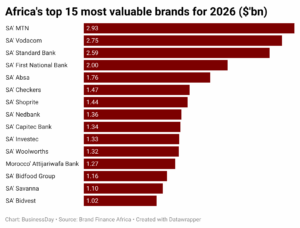
Banks challenge telecom dominance as South Africa sweeps Africa’s top brands
South African companies continue to dominate Africa’s corporate landscape, occupying all 10 positions in the continent’s most valuable brand rankings. However, a new battle is emerging as banking groups rapidly narrow the gap with telecom operators that have traditionally led Africa’s brand hierarchy.
Why it matters: The rankings reflect shifting sources of economic value across Africa, with financial services becoming increasingly influential through digital banking, fintech and regional expansion. The trend also underscores South Africa’s enduring corporate dominance despite economic challenges at home.
Zimbabwe lifts minimum wage by 80% as ZiG stabilisation efforts gain traction
Zimbabwe has announced one of its largest wage increases in years, raising the minimum salary for workers in unclassified sectors by 80 percent as authorities point to improving economic stability under the country’s new gold-backed currency regime.
Why it matters: The move will test whether the Southern African’s recent macroeconomic stabilisation efforts are translating into real improvements in living standards. It also offers an early indication of whether the ZiG currency can help restore confidence after years of inflation and currency volatility.
A new generation of billionaires is reshaping Africa’s industrial future
While Aliko Dangote remains the continent’s most recognisable industrialist, a growing group of African billionaires is investing heavily in manufacturing, processing and infrastructure projects that are transforming local economies and reducing dependence on imports.
Why it matters: Industrialisation remains one of Africa’s biggest development challenges. The rise of homegrown industrial champions could help create jobs, strengthen supply chains, boost exports and accelerate the continent’s transition from raw-material exporter to value-added producer.
Standard Chartered calls for new financing models to unlock Africa’s dealmaking
Standard Chartered’s Africa chief is urging policymakers, lenders and investors to rethink acquisition finance structures as weak access to funding continues to suppress mergers and acquisitions activity across the continent despite strong corporate demand for expansion.
Why it matters: A stronger M&A market could accelerate business consolidation, improve competitiveness and help African firms achieve the scale needed to compete globally. Unlocking acquisition finance may also prove critical to the next phase of industrialisation and private sector growth across the continent.
Chart of the Week

Join BusinessDay whatsapp Channel, to stay up to date
Open In Whatsapp