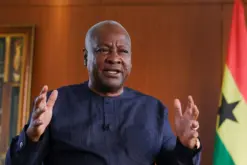
Abiy Ahmed, Ethiopia’s Prime Minister has secured a decisive political victory after his Prosperity Party retained its overwhelming majority in parliament. The result paves the way for him to begin another term in October.
Read also: AFC approves $600m for Dangote fertiliser expansion in Nigeria and Ethiopia
The Prosperity Party won 438 of the 501 contested parliamentary seats, a result celebrated by Abiy’s supporters as a mandate to continue his economic reforms and modernisation agenda.
Abiy came to power in 2018 during a wave of anti-government protests and was initially praised as a reformer who promised to heal Ethiopia’s deep political fractures. His efforts to end decades of hostility with neighbouring Eritrea earned him the 2019 Nobel Peace Prize. Yet the promise of peace was later overshadowed by a devastating civil war in the northern Tigray region and a growing number of armed insurgencies elsewhere in the country.
The security situation remains particularly unstable in the Amhara and Oromia regions, where armed groups continue to challenge the federal government. The Fano militias in Amhara and the Oromo Liberation Army, which seeks greater autonomy for the Oromo people, rejected both the election and its outcome.
Read also: Nigeria, Ethiopia sign prisoner transfer deal as over 100 inmates set for repatriation
On election day, more than 140 polling stations failed to open across Ethiopia’s two largest regions because of security concerns, highlighting the government’s struggle to establish control in parts of the country.
Tigray, where a brutal two-year war ended in 2022, was completely excluded from the election. The region’s six million residents, represented by 38 constituencies, did not participate amid renewed fears that fighting could resume.
Relations between Addis Ababa and Eritrea have also deteriorated sharply since the war ended. During the conflict, Eritrean forces fought alongside Ethiopian government troops against Tigrayan fighters and were accused by rights groups of committing widespread atrocities against civilians, allegations they denied.
The relationship has since turned hostile, partly because of Abiy’s repeated calls for Ethiopia to regain direct access to a Red Sea port, a strategic outlet the country lost after Eritrea gained independence in 1993. Eritrea has accused Ethiopia of harbouring territorial ambitions and has moved closer to Tigrayan leaders, raising fears that any renewed conflict could draw neighbouring countries into a wider regional crisis.
Read also: United Capital expands into East Africa, secures operating licence in Rwanda, Ethiopia
Adding to the tensions are accusations that Ethiopia has supported the Rapid Support Forces in Sudan’s ongoing civil war, claims that Addis Ababa has repeatedly denied. Meanwhile, Eritrea and Tigrayan groups are believed to have closer ties with the Sudanese military, creating a complex web of regional rivalries.
Although the 2022 peace agreement was intended to end hostilities between Abiy’s government and the Tigray People’s Liberation Front, both sides accuse each other of violating the deal. The conflict was one of the deadliest of the 21st century, with African Union estimates suggesting around 600,000 people died from fighting, famine and related conditions.
Local authorities deny allegations of forced recruitment, saying young people are receiving training to defend their communities.
The United States has responded by imposing targeted visa restrictions on hardline members of the Tigray People’s Liberation Front accused of undermining efforts to preserve peace, while the European Union has called for an immediate de-escalation of tensions in northern Ethiopia.

Join BusinessDay whatsapp Channel, to stay up to date
Open In Whatsapp