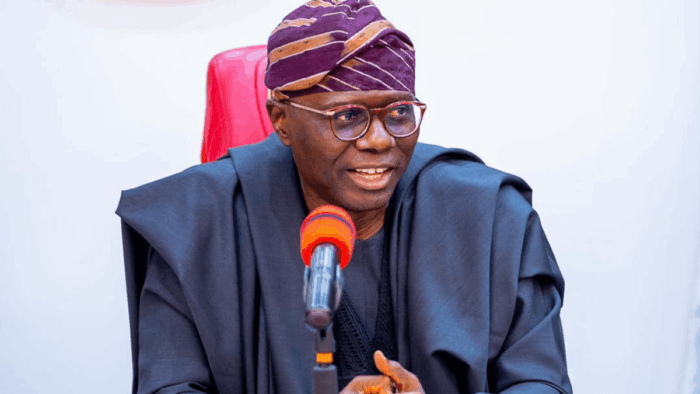
Lagos State Governor Babajide Sanwo-Olu has ordered an immediate evacuation of accumulated refuse across roads, markets and communities in the state as concerns grow over the environmental and economic impact of the worsening waste management challenge in Nigeria’s commercial hub.
The governor directed relevant government agencies and waste management operators to commence urgent clearing operations, with the Lagos State government saying efforts were being intensified to restore sanitation standards and prevent a possible public health crisis.
Sanwo-Olu, in a statement shared on his social media platforms, acknowledged the setback in waste management operations despite interventions by his administration, noting that Lagos generates more than 13,000 tonnes of waste daily.
Also, in statement drawing from the governor’s directive, Gboyega Akosile, his special adviser on media and publicity, said relevant agencies and service providers had been mobilised to work round the clock to clear waste backlogs across affected areas.
“The Lagos State Government acknowledges the concerns of residents regarding the recent accumulation of refuse in some parts of the state and wishes to assure Lagosians that the situation is receiving the highest level of attention,” the statement said.
The renewed waste crisis has emerged as a major concern for businesses and residents, with heaps of refuse sighted along major roads, residential areas, markets and public spaces across the metropolis.
For traders and operators in commercial districts, the development has raised concerns over declining customer confidence, poor working conditions and potential disruptions to business activities.
Market operators, particularly those in food, retail and hospitality sectors, say the accumulation of waste around trading areas threatens hygiene standards and could negatively affect patronage if not urgently addressed.
Industry stakeholders attribute the challenge to several factors, including rapid population growth, increased consumption, inadequate waste infrastructure and operational gaps among waste collection operators.
Although the Lagos Waste Management Authority (LAWMA) and private sector participation (PSP) operators remain central to the state’s waste collection system, stakeholders argue that the volume of waste generated daily requires deeper investment in recycling, waste sorting, modern disposal facilities and stronger enforcement.
Environmental experts say Lagos’ growing economy makes efficient waste management a critical infrastructure issue, warning that persistent sanitation challenges could affect public health, productivity and the city’s attractiveness to investors.
Analysts insist that solving the crisis will require stronger collaboration between government agencies, private operators, businesses and residents, alongside sustainable policies that transform waste from an environmental burden into an economic resource.
As Africa’s largest commercial city continues to expand, stakeholders say effective waste management must remain a priority for urban planning and economic development.

Join BusinessDay whatsapp Channel, to stay up to date
Open In Whatsapp