The Mauritanian government and the International Organisation for Migration (IOM) have launched a new disaster prevention and management project in the country’s eastern Hodh El Chargui region, as growing climate shocks and population displacement continue to strain local communities and resources.
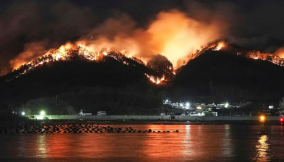
The initiative seeks to strengthen disaster preparedness, improve early warning systems, and build resilience among vulnerable communities facing recurring droughts, bushfires, and floods in one of Mauritania’s most fragile regions.
Located along the country’s eastern border, Hodh El Chargui has become a focal point of humanitarian concern due to the combined effects of climate change and increasing migration flows.
According to a statement by IOM, the region currently hosts more than 171,000 Malian refugees and about 41,000 Mauritanian returnees, placing enormous pressure on already scarce natural resources and public services.
“The project, launched in Néma on May 11, brings together government agencies, humanitarian organizations, and local communities under a coordinated strategy aimed at reducing disaster risks before they escalate into crises.
“Under the programme, local authorities and community actors will receive specialized training in disaster preparedness and response.
“Authorities will also establish a functional early warning system designed to provide timely information on environmental and climate-related threats.
“By the end of the project, more than 13,900 people are expected to gain improved access to risk information through the early warning mechanism”, IOM said.
According to the statement, the initiative also includes practical interventions such as the construction of manual firebreaks to combat bushfires, restoration of degraded lands, development of water retention structures, and training for local residents on eco-construction techniques and community-based risk management.
Speaking during the launch ceremony, Abderrahmane Ahmed Daddah, Deputy Governor of Hodh El Chargui, stressed the need for collective action in addressing climate-related threats.
“The effects of climate change require greater mobilisation from all stakeholders. This project represents a concrete response aimed at strengthening community resilience and improving preparedness against disasters and environmental risks”, Daddah said.
The urgency of the intervention is underscored by recent findings from an assessment conducted jointly by the IOM and the Hodh El Chargui Coordination Unit in November 2025.
The survey, which covered more than 3,200 households representing nearly 10,500 returnees, revealed widespread exposure to climate-related disasters across the region.
According to the findings, every household surveyed reported experiencing at least one extreme weather event over the past five years. Drought emerged as the most prevalent challenge, cited by 92 percent of respondents. Bushfires followed closely at 77 percent, while 38 percent reported being affected by floods.
The assessment showed that these recurring climate shocks have severely impacted livelihoods by destroying livestock, reducing agricultural productivity, and threatening access to water resources.
Experts warn that without significant investment in prevention and adaptation measures, the combined pressures of environmental degradation and displacement could further heighten food insecurity and social tensions within host communities.
For the IOM, the new initiative represents a shift away from emergency response towards long-term risk reduction and resilience building.
Daniele Viviani, Emergency Coordinator for IOM Mauritania, said the programme places local communities at the centre of disaster management efforts.
“This project is built on a fundamental principle: putting communities at the heart of the response,” Viviani said. “By strengthening local preparedness mechanisms and response capacities, we can reduce the impacts of crises while supporting sustainable solutions tailored to the realities of Hodh El Chargui.”
Beyond its operational activities, the project would also improve coordination between government institutions and community-based actors, helping create a more coherent and sustainable framework for disaster risk management.
IOM said the integrated approach will not only enhance preparedness for climate-related emergencies but also promote social cohesion and stability among host populations, refugees, and returnees living in the region.

Join BusinessDay whatsapp Channel, to stay up to date
Open In Whatsapp