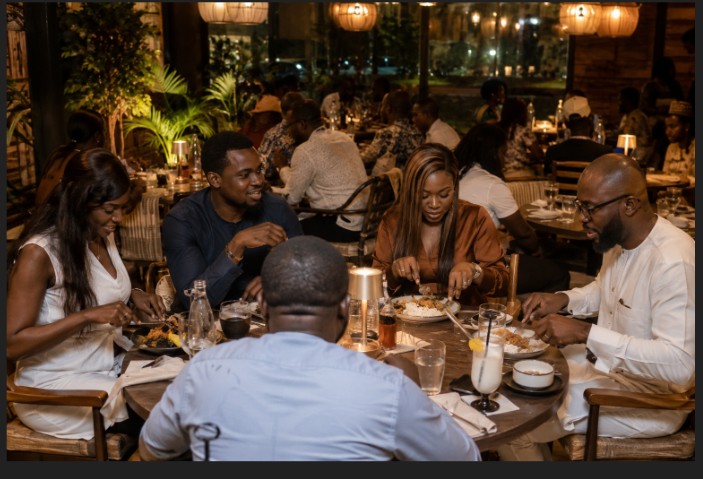
There was a time when going to a restaurant felt like an experience and not just another meal. People stayed longer, conversations flowed easily, and every detail from the menu design to the seating arrangement felt intentional. The food came first, the details were considered, and the room was designed to make you want to stay.
Somewhere between the rise of QR code menus and the obsession with Instagram worthy interiors, dining out lost a few things worth keeping. Digital menus replaced printed ones, tables became less comfortable, and aesthetics sometimes began to matter more than atmosphere.
Some of these ideas never fully disappeared, but they are rare enough now that they feel special when you come across them. Here are the restaurant concepts worth bringing back.
Food as the main event
An Instagram worthy restaurant is always nice to look at, but there was a time when the food itself was the main attraction. Restaurants focused on flavour, portion sizes, consistency, and the overall dining experience instead of creating spaces designed mainly for photographs. A beautiful interior may attract people once, but good food is what keeps them coming back.
Soft background music
Restaurants once understood that music was meant to complement the dining experience, not overpower it. Soft background music created an atmosphere without interrupting conversations or forcing people to speak over the speakers. Now, some restaurants feel more like clubs with menus. Good music still matters, but it should add to the experience, not compete with it.
Comfortable seating
Not every chair needs to be artistic at the expense of comfort, yet many spaces now prioritise aesthetics while forgetting that diners may sit for hours. Comfortable seating encourages people to relax, settle into their meals, and enjoy the experience properly. When comfort is considered from the start, everything else about the dining experience naturally improves.
Signature restaurant identity
There was a time when restaurants had a clear identity you could recognise the moment you walked in. From the menu design to the lighting, furniture, staff presentation, and even the way dishes were served, everything felt like it belonged to one unified idea. Today, many restaurants look and feel the same, as if they are following the same design template.
Printed menu
A printed menu just makes the dining experience feel more personal. There is something about being handed a physical menu that feels more considered and intentional than scrolling through a screen.Some restaurants still do this well, but in many places it feels like an afterthought rather than part of the experience.
Generous portions that satisfy
There was a time when dining out meant leaving the table full. Meals were prepared to be enjoyed properly, not minimized or stretched for presentation. Portions were enough to match the experience of eating out, and there was no need to think about another meal afterward. Over time, that sense of completeness has become less common, and leaving a restaurant fully satisfied is no longer always guaranteed.

Join BusinessDay whatsapp Channel, to stay up to date
Open In Whatsapp