Kenya has lowered diesel prices after deadly nationwide protests exposed growing anger over the rising cost of living and mounting pressure on public transport operators.
The country’s Energy and Petroleum Regulatory Authority announced on Tuesday that diesel prices would be reduced by 7 percent, following weeks of complaints from commuter groups and operators of Kenya’s minibus taxi network, known locally as matatus.
The price cut came a day after protests turned violent across parts of the country, leaving at least four people dead and several others injured, according to local media reports.
The demonstrations were led by transport operators, who said soaring fuel prices were making it impossible to keep fares affordable while remaining in business.
“We cannot continue operating under these costs,” one transport union representative said during talks with government officials in Nairobi. “Fuel prices are hurting both operators and ordinary Kenyans.”
Despite emergency discussions between transport unions and the energy ministry, both sides failed to reach a wider agreement on transport fares and broader economic concerns.
Fuel prices in Kenya have risen sharply in recent months after conflict involving the United States, Israel and Iran disrupted shipping through the Strait of Hormuz, one of the world’s most important oil transit routes.
The disruption pushed global energy prices higher and increased import costs for countries heavily dependent on fuel imports.
According to African Economic Inc, Kenya’s government has been scrambling to contain the economic fallout as inflation continues to rise and public frustration deepens.
In April, authorities cut the value-added tax on fuel from 16 percent to 8 percent, a move estimated to have reduced government revenue by about 24 billion shillings, or $185.6 million, over two months.
The government has also released 11.2 billion shillings from a fuel stabilisation fund to cushion consumers from rising pump prices and plans to inject another 5 billion shillings before the next monthly fuel price review.
John Mbadi, Kenya’s finance minister, said the interventions were designed to ease pressure on households and transport operators struggling with rising living costs.
“These measures are necessary to protect consumers and support economic stability during a difficult global environment,” he said.
But business groups argue that taxes and government levies still make fuel unnecessarily expensive. The Kenya National Chamber of Commerce and Industry has repeatedly criticised charges such as road maintenance and railway development levies, which together account for nearly one-third of fuel prices.
The latest unrest has added to concerns about Kenya’s fragile economy, which the International Monetary Fund already classifies as being at high risk of debt distress.
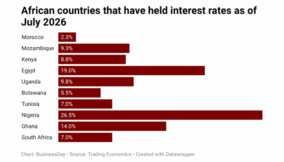
Kenya’s inflation rate climbed to a two-year high in April, moving above the midpoint of the central bank’s target range and putting additional pressure on households already battling rising food, transport and energy costs.
The protests also reflect a broader trend across parts of Africa, where governments are struggling to manage the impact of rising global oil prices linked to tensions in the Middle East.
In Comoros, transport strikes linked to fuel price increases recently disrupted public movement and forced authorities to temporarily reverse some price hikes.

Join BusinessDay whatsapp Channel, to stay up to date
Open In Whatsapp