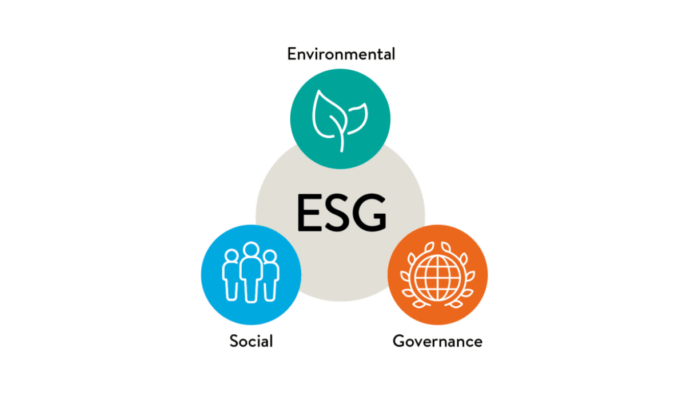
Your people are your greatest ESG asset. Empower them to drive impact from within.
From the shop floors of manufacturing plants in Asia to corporate headquarters in Europe and boardrooms across Africa, one truth is becoming increasingly evident: ESG transformation is no longer constrained by strategy; it is constrained by execution. Globally, organizations are discovering that the real differentiator is not the sophistication of their sustainability frameworks but the depth of employee ownership driving them. The imperative is clear; ESG must move beyond policy into people.
The assertion that “your people are your greatest ESG asset” is not aspirational rhetoric; it is empirically grounded. Global insights continue to show that a significant proportion of organisations identify weak employee engagement as a primary barrier to achieving ESG goals. In other words, strategy without workforce ownership is simply ambition without execution.
From Compliance to Culture
Traditional ESG approaches have leaned heavily on top-down mandates. Leadership defines targets; sustainability teams drive reporting; employees are expected to comply. But compliance does not create conviction.
Research consistently shows that when employees understand and connect with ESG goals, they translate strategy into action, reducing waste, improving governance behaviors, and strengthening social impact outcomes. More importantly, engaged employees shift ESG from a corporate obligation to a lived culture.
This distinction is critical. Compliance is episodic. Culture is continuous.
The Business Case: ESG as an Internal Investment Portfolio
Forward-thinking organisations are beginning to view employee engagement in ESG not as a cost center but as an internal investment portfolio, one that yields measurable returns across three dimensions:
1. Operational Efficiency and Cost Reduction
Engaged employees drive grassroots innovation. From energy-saving initiatives in manufacturing plants to process efficiencies in financial services, employee-led ESG actions often deliver immediate cost savings. Evidence shows that organisations with active ESG engagement record improvements in environmental performance alongside increased employee participation.
2. Talent Attraction and Retention
Today’s workforce, particularly younger professionals across Africa, seeks purpose alongside pay. Organisations that embed ESG into everyday roles create a stronger employee value proposition. ESG-driven engagement improves job satisfaction and retention, reducing the high cost of talent turnover.
3. Innovation and Competitive Advantage
Employee perception of ESG initiatives has been directly linked to green innovation and competitive positioning. When employees are engaged, they do not just execute strategy; they evolve it. They become co-creators of sustainable value.
The African Context: A Missed Opportunity or a Strategic Edge?
Across Africa, ESG conversations are often externally driven by investors, regulators, or global reporting standards. While these forces are important, they can inadvertently create a compliance mindset.
Yet, Africa holds a unique advantage: a deeply communal culture. Our societies are inherently people-centric. If properly harnessed, this cultural orientation can become a powerful driver of ESG transformation.
Consider the growing sustainability efforts in sectors such as banking, energy, and telecommunications across Nigeria, Kenya, and South Africa. The organizations making the most progress are not necessarily those with the most sophisticated frameworks, but those that have successfully mobilized their people by embedding sustainability into everyday decision-making.
Leadership Imperative: Activating the Human Capital of ESG
If employee engagement is the engine of ESG, then leadership is the ignition.
From my experience advising organisations and shaping ESG strategy, five leadership actions consistently differentiate high-performing companies:
1. Translate ESG into roles, not reports: Employees must see how sustainability connects to their daily work.
2. Democratize ownership: ESG should not sit in one department; it must live across the organisation.
3. Invest in capability building: Training transforms intention into competence.
4. Recognise and reward impact: What gets rewarded gets repeated.
5. Measure what matters internally: Engagement metrics should sit alongside carbon metrics.
These are not theoretical ideals—they are practical levers for transformation.
Beyond Metrics: The Intangible Dividend
There is also a less quantifiable, but equally powerful, return: trust.
When employees believe in an organization’s ESG commitments, they become its most credible ambassadors. This strengthens brand equity, enhances stakeholder confidence, and builds resilience in times of crisis.
In an era where ESG scrutiny is intensifying, authenticity has become a competitive currency, and authenticity is driven from within.
Final Thought: ESG is a People Strategy.
As we continue to deepen ESG adoption across Nigeria and the continent, we must confront a fundamental question: Are we building ESG frameworks, or are we building ESG cultures?
The difference lies in people.
Your sustainability strategy will only move at the speed of your workforce’s belief in it. Policies may set direction, but people create momentum.
If organisations truly want to unlock the full value of ESG, they must stop treating employees as participants and start recognizing them as partners. Because in the final analysis, ESG is not just an environmental, social, or governance agenda. It is a human agenda.
And therein lies its greatest opportunity.
Sarah Esangbedo Ajose-Adeogun is the Founder and Managing Partner at Teasoo Consulting Limited, a foremost ESG consulting firm. She is a former community content manager at Shell Petroleum Development Company and served as the special adviser on strategy, policy, projects, and performance management to the government of Edo State. She is also the host of the #SarahSpeaks podcast on YouTube @WinningBigWithSarah, where she shares insights on leadership, strategy, and sustainable growth.

Join BusinessDay whatsapp Channel, to stay up to date
Open In Whatsapp