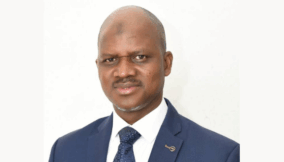
The Rivers State University (RSU), formerly the University of Science and Technology (UST), made waves in recent history when it achieved very high national and global ratings, especially in digital presence and ICT. The university now has a new vice chancellor, Isaac Zeb-Obipi, and global standards are said to be the new target.
Now, the new governing council has launched a search for excellence and high performance. Okey Wali (SAN), the pro-chancellor and chairman of the 15th governing council, has reaffirmed the council’s determination to reposition the institution for global competitiveness and excellence. Fundraising would be the bedrock of the new plan, with growth areas such as industry collaboration, entrepreneurial growth, continuing education, global ranking, procurement compliance, and financial accountability.
He made this known during a 3-day council/management retreat of the university held earlier in April in Port Harcourt with the theme “A New Strategic Direction to Inspire and Reposition the Rivers State University (RSU) for Excellence and Creativity”.
Wali stated that following the council’s inauguration in September 2025, deliberate steps were taken to review the state of the university, leading to the development and approval of a 5-year strategic development plan that may run from 2026 to 2030.
He noted that the same committee that developed the plan was reconstituted into an implementation committee to ensure effective monitoring and execution.
The pro-chancellor emphasised that the retreat forms part of efforts to cascade the strategic direction across faculties, departments, and units of the university. According to him, adopting globally recognised best practices would place the institution on a sustainable growth trajectory.
He commended the committee led by Joseph Ajienka, a professor emeritus, for its dedication, describing their contributions as strategic for the university’s future.
In his welcome address, Zeb-Obipi, the vice-chancellor, highlighted key areas of focus for repositioning the university, including strategic development, fundraising, industry collaboration, entrepreneurial growth, continuing education, global ranking, procurement compliance, and financial accountability.
He stressed the need to translate vision into actionable outcomes, noting that the retreat would provide a platform for expert insights and collaborative discussions to shape a more innovative and entrepreneurial institution.
The professor (Zeb-Obipi) further charged participants to leverage available opportunities to enhance the university’s global standing and ensure adherence to best practices in governance and financial management.
Also speaking, Ajienka, council member and chairman of the implementation committee, described the strategic plan as a vital document that must not be relegated to the shelf. He noted that the retreat was designed as part of the implementation framework to ensure effective execution of the plan.
Ajienka emphasised that performance indicators have been developed to monitor progress and ensure accountability among principal officers and other officers of the university. He urged participants to actively contribute their experiences toward shaping the university’s future.
Insightful presentations were delivered by distinguished scholars and seasoned professionals during the retreat, addressing key issues across university governance, development, advancement, teaching, research, ranking, innovation, procurement and financial accountability.
According to insiders, the brainstorming was divided into morning and afternoon sessions. The morning session focused on university governance and featured two key presentations. Idowu Olayinka, another professor, examined the management of a 21st-century university, highlighting issues of knowledge, skills, quality assurance and the roles of councils and administrators. This was followed by Iyenemi I. Kakulu’s presentation on the Strategic Development Plan and its implementation.
Panel Session One provided a platform for robust discussions on governance and institutional effectiveness with former vice-chancellors and the former executive secretary of the National Universities Commission (NUC) as panellists: S. C. Achinewhu (a professor emeritus), B. B. Fakae (professor of parasitology), Blessing Didia (one of the former vice-chancellors), Nlerum S. Okogbule, N. E. S. Lale, and Biodun Saliu.
The afternoon session shifted to university advancement, according to a report of the event. Victor Dugga, a professor, spoke on fundraising and investment strategies for institutional growth, while Femi Awoyemi discussed leveraging industry collaboration and partnerships to enhance the university’s internally generated revenue and graduate employability.
Panel Session Two concluded the day’s activities, featuring contributions from one more professor, Nkalo Hudson Ukoima (Director, Advancement and Linkages); Uche Messiah Olowu, Council Member; Amadi Amadi, an alumnus of the university; and Ibifuro Asawo, MD/CEO of Cinfores, alongside Joy Eke Ejiofor, a female professor and Director of the Entrepreneurship Development Centre. Discussions focused on financial sustainability and strengthening university–industry linkages.
The report from the third day said the day began with a morning session on ‘Teaching, Research and Innovation’, whereby Ajienka spoke on the ‘Making of an Entrepreneurial University’, while another professor, Francis Egbokhare, addressed reforms in ‘Continuing Education and Distance Learning’ for improved outcomes. Victor Okeugo spoke on ‘Accreditation and Ranking’ as tools for repositioning the university.
The third session of the panel followed, featuring some more professors such as Kingdom Abam, Provost, College of Postgraduate Studies; Boma Dambo, Director, Open and Distance Learning Centre; ThankGod Agwor, Director, Centre for Continuing Education; Precious Ede, Director, Academic Planning; and Sunny Orike, Director, ICTC. Discussions were said to have centred on research development, innovation, ranking and academic excellence.
The afternoon session focused on ‘Procurement and Projects’, where Franklyn Nlerum shared his experience on “Effective Project Implementation in line with Procurement Laws”, emphasising transparency and compliance in institutional processes.
This was followed by Panel Session Four, which brought together key administrative officers, including Tamuno Williams, Director, Legal Services; Paul M. Nadube, Director, Procurement; Captain Ottos, Acting Director, Physical Planning; and Henry Onu, Acting Director of Works. The discussion focused on procurement compliance and financial best practices in the university.
In their closing remarks, Wali (the pro-chancellor and chairman of Council) expressed delight at the success of the retreat, while the vice-chancellor (Zeb-Obipi) noted that the presentations affirmed the giant strides of management towards taking the university to an enviable height.
Richard Amadi, a professor and deputy vice-chancellor (academic), in his vote of thanks, appreciated the governing council, management, resource persons and participants, expressing continuous collaboration between the council and management.
Enthusiasm seems high that with such a strategic blueprint, the plans by RSU to rise to global ratings look achievable.

Join BusinessDay whatsapp Channel, to stay up to date
Open In Whatsapp