Hundreds of Nigerians who fled insurgent violence and sought refuge in neighbouring Chad were rounded up and deported last week, according to testimonies from several of the affected individuals.
The deportations, which those involved described as sudden and forceful, have raised fresh concerns about the safety and treatment of displaced Nigerians in the Lake Chad region. Many of the deportees said they had crossed into Chad to escape persistent attacks by insurgent groups in northeastern Nigeria, only to face arrest and expulsion without prior notice or due process.
“We ran from violence thinking we would be safe,” one deportee told AFP. “Instead, we were arrested and sent back with nothing.” Similar accounts from others suggest that security forces in Chad detained groups of Nigerians in various locations before transporting them back across the border.
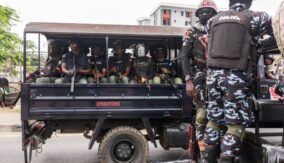
The exact number of people affected remains unclear, but witnesses consistently described the operation as large-scale, involving families, women, and children. Several deportees said they were given little time to gather their belongings before being forced onto trucks or buses headed for the Nigerian border.
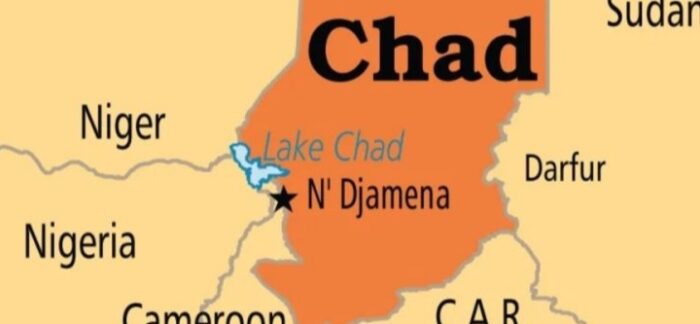
Regional security dynamics appear to be a key factor behind the move. Chad, like Nigeria, has long battled insurgent groups operating around the Lake Chad basin. Authorities there have periodically tightened controls on foreign nationals, citing concerns about cross-border militant activity. However, those deported insist they were civilians fleeing violence rather than participants in it.
Humanitarian concerns are mounting as many of the returnees reportedly arrived in Nigeria without shelter, food, or access to basic services. Aid workers in border communities say the sudden influx has strained already limited resources. “These are people who were already vulnerable,” one local aid volunteer said. “Now they are back in conditions that are just as dangerous, if not worse.”
The Nigerian government has not yet issued a detailed statement on the deportations, but officials have previously emphasised the need for regional cooperation in addressing both security threats and displacement. Observers note that the situation underscores the fragile balance between national security measures and the protection of displaced populations.
International organisations have repeatedly warned that forced returns can expose vulnerable groups to renewed harm, particularly in conflict-affected areas. In northeastern Nigeria, insurgent attacks, kidnappings, and clashes with security forces continue to disrupt daily life, making safe resettlement difficult.
For many deportees, the return marks a painful setback. Having risked dangerous journeys to escape violence, they now find themselves once again in uncertain conditions. “We don’t know where to go,” another returnee said. “We are back to the same fear we tried to escape.”
As the situation develops, humanitarian agencies are calling for urgent assistance for those affected, as well as clearer coordination between countries in the region to ensure that security operations do not further endanger civilians already caught in crisis.

Join BusinessDay whatsapp Channel, to stay up to date
Open In Whatsapp