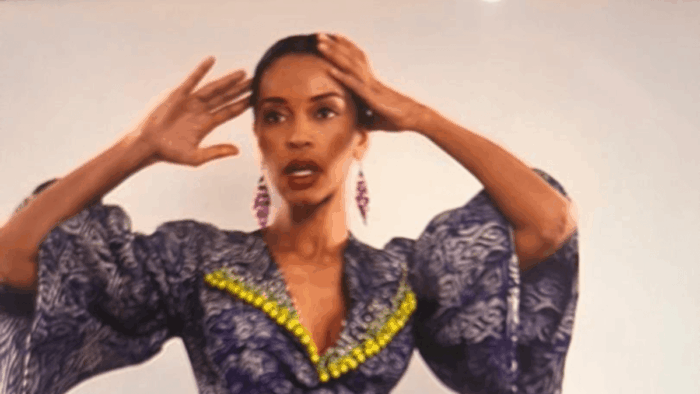
From London to Lagos, Ade Bakare Couture has evolved into a global symbol of timeless elegance and modern design. Founded in 1991, the brand began by supplying luxury day and evening wear to boutiques across the UK before pivoting to private clients worldwide, building a strong following in New York, Paris, and Nigeria. A defining moment came in 1998 with the launch of its bridal line in Mayfair, cementing its place in high-end couture. In 2006, the brand expanded to Lagos with a Victoria Island boutique, blending couture craftsmanship with a contemporary ready-to-wear line. Beyond fashion, Ade Bakare champions emerging talent through its annual Young Designers Show and is now set to launch a fashion academy in Lagos. In this interview with KENNETH ATHEKAME, he reflects on his journey, the evolution of Nigerian fashion, and the structural challenges facing the industry. Excerpts:
You’ve built a remarkable career across the UK and Nigeria. What first drew you into fashion, and how has your journey shaped your design philosophy?
I studied fashion design at Salford University in Manchester, but my journey started earlier. I had always been interested in fashion, though my parents insisted I first obtain a university degree. I studied History/Education at the University of Lagos before pursuing fashion formally.
After graduating from Salford, I worked briefly with couture houses in London, including Victor Edelstein and Christiane Stambolian. In 1991, I established Ade Bakare Couture with support from the Prince’s Youth Business Trust. We began with ready-to-wear collections sold in boutiques across the UK, before opening an atelier in Mayfair in 1998. I strongly believe in the importance of education combined with hands-on experience. Those principles have guided my career and design philosophy.
How did your early experiences in London influence your engagement with the Nigerian fashion industry?
In the 1990s, Ovation Magazine played a major role in spotlighting designers in the UK. I was featured after attending and designing for the Red Cross Ball in Monaco, hosted by Princess Catherine Colonna. That exposure brought significant attention in Nigeria. I later became the official designer to Nigeria’s former First Lady, Stella Obasanjo, which introduced me to a wider network of clients. Frequent visits to Lagos, along with invitations to stage fashion shows, gradually deepened my engagement with the Nigerian market and led to the establishment of our Lagos atelier.
At what point did you recognise Nigeria as a serious market for high fashion?
Opening in Lagos wasn’t initially strategic, it was organic. A friend encouraged me to take up a retail space since I was already visiting frequently. At first, it functioned as a depot for garments produced in London.
The turning point came when a young tailor, Kabiru, demonstrated he could replicate our designs locally. That marked the beginning of in-country production.
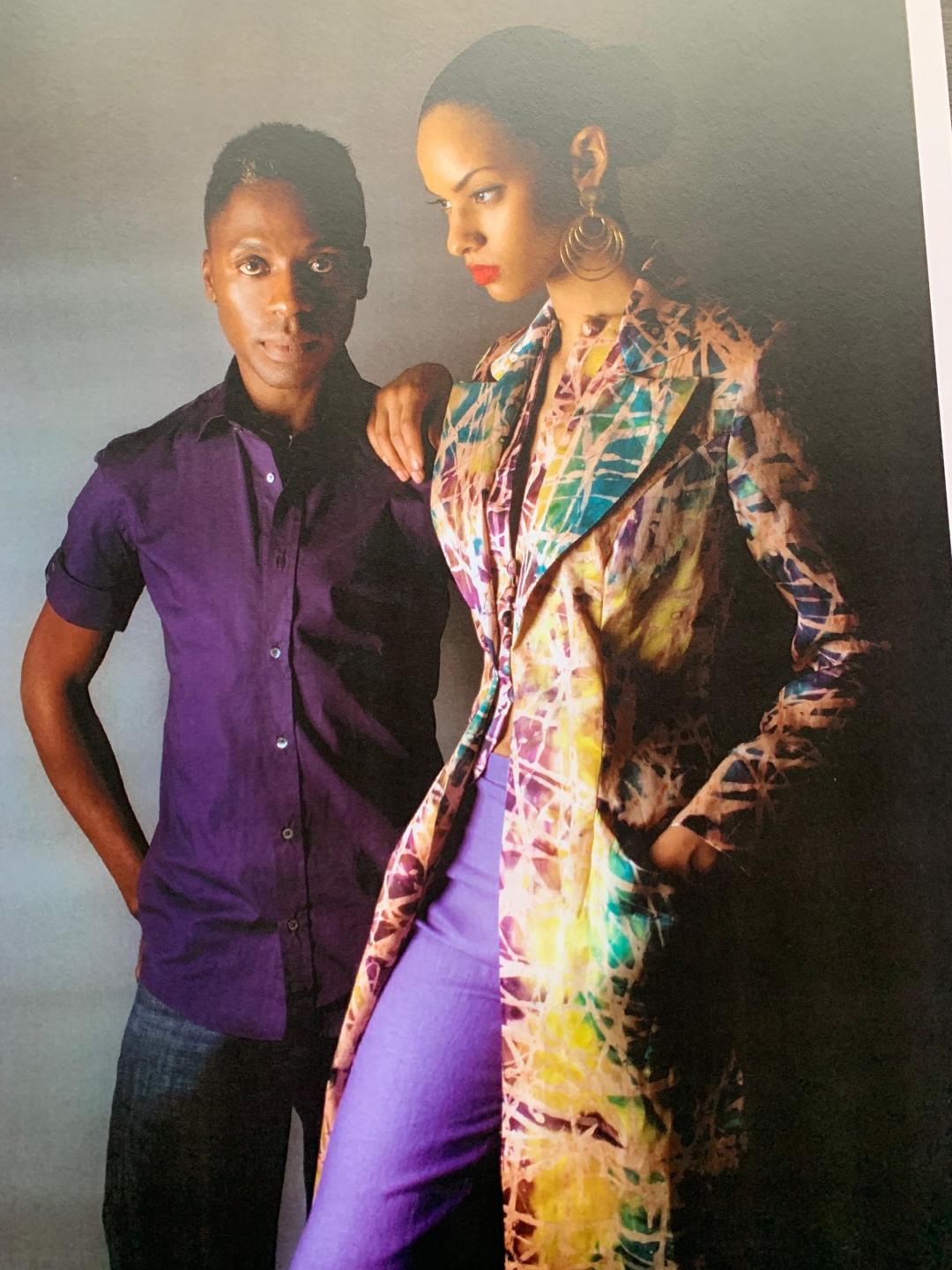
We also began experimenting with indigenous textiles, particularly Adire, but reimagined in luxurious fabrics like silk chiffon, organza, and crepe. Clients immediately connected with these designs. One client told me, “This is us, but in modern styles.” That moment shaped our direction. We’ve continued to innovate with Adire, Akwete, and Aso Oke ever since.
How has the Nigerian fashion industry evolved over the last two decades?
The growth has been remarkable. There is now a strong emphasis on indigenous textiles, and the industry has become more vibrant and globally connected. Designers are producing bold, creative work and leveraging digital platforms to reach international markets.
This expansion has also created employment and boosted foreign exchange earnings, which is incredibly encouraging.
Are Nigerian designers getting enough global recognition? What still needs to change?
Recognition has improved significantly. The diaspora has played a major role by embracing and promoting Nigerian fashion globally.
However, there is still room for growth in terms of structured support, global positioning, and scaling production to meet demand.
Your work reflects strong craftsmanship and cultural identity. How important is heritage in modern Nigerian fashion?
Heritage is essential; it gives designers a unique edge globally. Early in my career, my designs were very international in aesthetic. But I was advised by a Vogue editor to draw more from my cultural roots. That shift happened when I began exploring indigenous textiles in Lagos. By adapting traditional fabrics into contemporary, luxury forms, we created something distinctive. Culture remains central to our identity.
Are Nigerian designers doing enough to preserve indigenous textiles and techniques?
Yes, far more than in the past. Designers like Adeola Sagoe, Jimi King, and the late Remi Lagos were pioneers in this space. Today, many designers are embracing heritage in innovative ways, which is refreshing to see.
What are the biggest structural challenges facing fashion entrepreneurs in Nigeria?
Two key challenges are finance and direction. There is a need for greater investment both from government and the private sector as well as structured business education and mentorship within the industry.
How can Nigerian designers scale into globally competitive brands?
There must be formal recognition of fashion as a major economic sector. Government support is crucial, particularly in infrastructure and production. For example, Aba’s garment cluster has benefited from improved electricity supply, boosting production and employment. Replicating such models nationwide would significantly strengthen the industry.
What is your outlook on Nigeria’s textile industry?
The textile industry declined significantly after its peak between the 1950s and 1980s due to import dependency. However, there is renewed hope. Indigenous textile production in Adire, Akwete, Aso Oke is growing, largely driven by local artisans and small-scale weavers. Designers are also creating unique patterns and fabrics, which is a positive development.
However, scaling production remains critical. Without it, the market will continue to be flooded by cheaper imports.
What legacy do you hope to leave?
Ade Bakare Couture has evolved into a multifaceted brand, spanning couture, bridal, menswear, fragrance, and accessories.
We are currently establishing a foundation and a permanent exhibition space in London and Lagos to document our journey. It will serve as a hub for learning, research, and inspiration for future generations.
What excites you most about the future of fashion in Nigeria?
The future is already here and it is incredibly bright.

Join BusinessDay whatsapp Channel, to stay up to date
Open In Whatsapp