Despite medical advances that can cure up to 80 percent of childhood cancers, survival rates across Africa remain as low as 20 percent due to poor funding, late diagnosis, and limited access to treatment, experts have said.
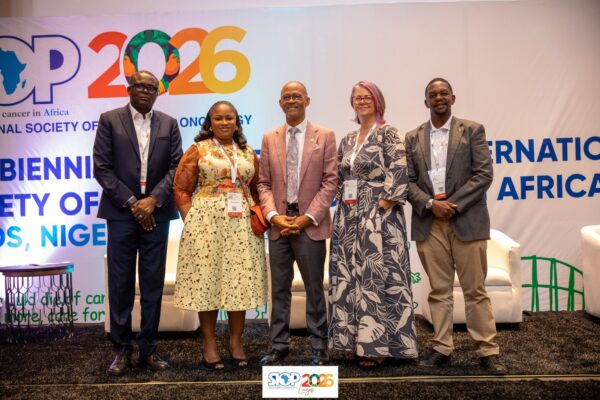
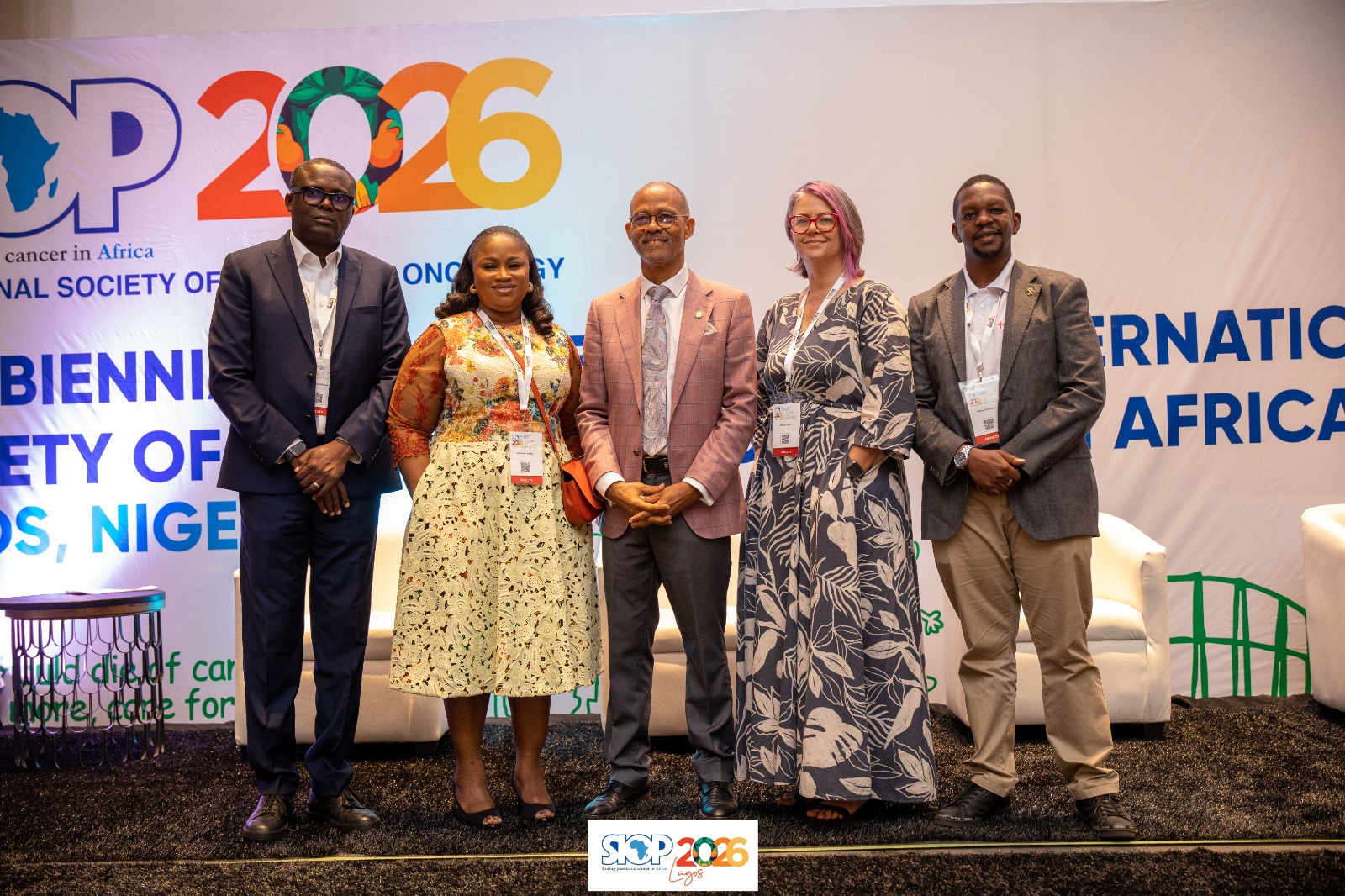
The concern dominated discussions at the 16th Biennial Conference of the International Society of Pediatric Oncology (SIOP), Africa Continental Congress co-hosted by The Dorcas Cancer Foundation and the Nigeria Society of Pediatric Oncology in Lagos.
Global specialists, Nigerian clinicians, and policymakers called for urgent reforms to close the widening gap between treatment potential and actual outcomes.
Jennifer Geel, president of SIOP, said the disparity reflects systemic failures rather than medical limitations. “Childhood cancer is highly curable. We should be curing at least 80 percent of patients, but in many African settings we are seeing about 20 percent survival,” she said.
She identified delayed diagnosis, weak referral pathways, and high out-of-pocket costs as major barriers, noting that many children never reach treatment centres, while others drop out due to inability to pay. “We have the expertise and the human capacity. What we often lack is sustainable funding across the entire care pathway,” Geel added.
In Nigeria, stakeholders say progress is being made through partnerships and policy shifts, but significant gaps remain.Adesheye Michael Akinsete, president of the Nigerian Society of Pediatric Oncology, said the conference has already delivered immediate gains through new collaborations. “Within 48 hours, we secured access to diagnostic technology that will allow at least 2,000 Nigerian children to get results within 48 hours instead of waiting weeks,” he said.
He noted that delayed diagnosis remains a critical factor in poor outcomes, as many children present with advanced disease.Adedayo Joseph, the founder of The Dorcas Cancer Foundation (TDCF), said another major challenge is the reliance on foreign data in treatment planning. “We keep importing data from outside the continent and applying it here. We need African data that reflects our realities,” she said.
She added that the conference brings together scientists, clinicians, survivors, and policymakers to address gaps across the care continuum, including research, treatment, and survivorship.
Global collaboration is also expanding access to care. Institutions such as St. Jude Children’s Research Hospital and Memorial Sloan Kettering Cancer Center are working with African countries to improve access to medicines and strengthen capacity.
Nickhill Bhakta, director for sub-Saharan Africa and pediatric oncologist at St. Jude Children’s Research Hospital, said improving childhood cancer care is not only a health priority but also an economic one. “Every child that is cured represents decades of productive life. It is an investment that pays back to society multiple times over,” he said.
Meanwhile, the Lagos State Government says it is scaling up investment in healthcare infrastructure and financing to improve cancer outcomes. Representing governor Babajide Sanwo-Olu, Akin Abayomi, the commissioner for health, said the state is pursuing a multi-pronged strategy that includes expanding treatment facilities, strengthening human resources, and enforcing health insurance coverage.
He noted that cancer cases are rising, with projections showing a potential doubling of incidence, while infrastructure remains inadequate for a population estimated at over 30 million. “The fewer the institutions available to treat cancer, the lower the chances of survival. We must expand capacity to match the growing burden,” Abayomi said.
As part of this effort, the state is building a new purpose-built Massey Children’s Specialist Referral Hospital, a 150 bed facility expected to serve as the apex centre for pediatric care. The government is also developing a Lagos State Comprehensive Cancer and Diagnostics Centre to provide integrated services, including advanced diagnostics, chemotherapy, radiotherapy, and surgical oncology.
Abayomi said the state is also addressing financing barriers through compulsory health insurance to reduce out of pocket spending. “It is prohibitively expensive for individuals to fund cancer care. Health insurance is critical to prevent families from falling into poverty due to treatment costs,” he said.
The policy, backed by law and enforcement measures, aims to significantly increase insurance coverage and improve access to care.In addition, Lagos is investing in data systems through its Smart Health Information Platform to improve disease tracking, planning, and resource allocation.
Stakeholders said sustained collaboration between governments, private sector and global partners will determine whether Africa can close the survival gap, as countries increasingly align policies with WHO targets on childhood cancer care and universal health coverage efforts across the continent and beyond.

Join BusinessDay whatsapp Channel, to stay up to date
Open In Whatsapp