Zoho Nigeria has warned that low adoption of digital tools remains the biggest obstacle to the growth of women-led businesses in Nigeria, despite the country having the highest number of female entrepreneurs in Africa.
The company made this known during the Guardian Woman Festival held in Lagos, where stakeholders highlighted the urgent need to close the digital gap limiting business expansion among women.
Kehinde Ogundare, Zoho Nigeria country head said fewer than 30 percent of women-owned businesses in Nigeria currently use digital tools to manage or grow their operations, describing the gap as a critical constraint on scale.
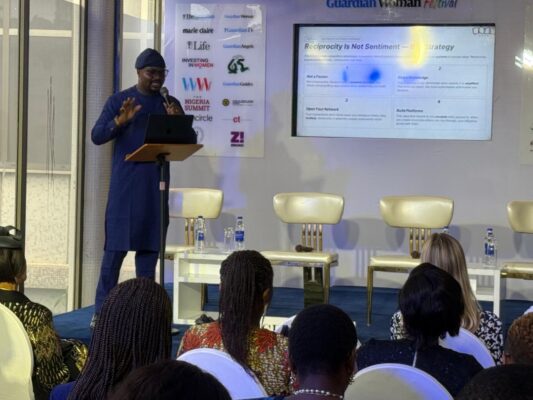
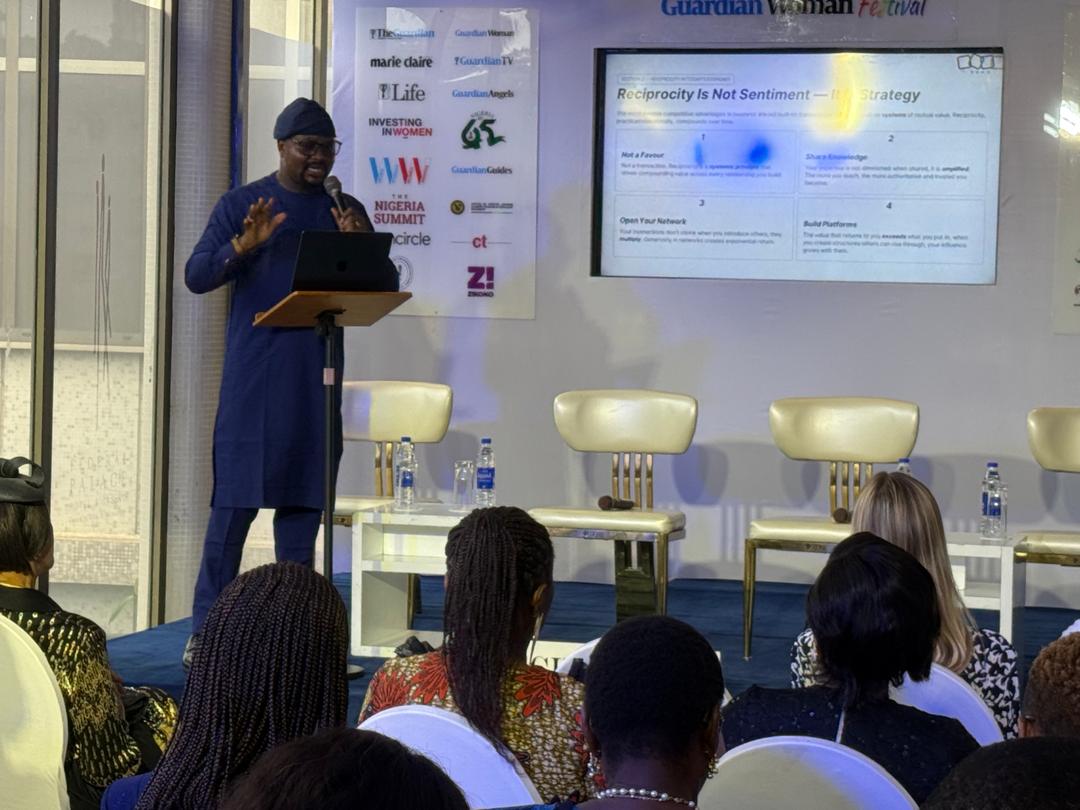
“The difference is not talent. Not capital. Not ambition. It is digital adoption,” Ogundare said in a keynote address titled “Give Value, Gain Growth: Women Driving Reciprocal Innovation in the Digital Economy.”
He noted that while Nigerian women entrepreneurs are highly active across sectors, many still rely on manual processes, limiting their ability to expand, improve efficiency and access wider markets.Industry participants at the festival said digital tools, including customer management systems, cloud platforms and online marketplaces can significantly improve productivity and competitiveness for small businesses, particularly those led by women.
The event, themed “Reciprocity,” focused on how technology can amplify the natural strengths women bring to business, such as relationship building and community engagement, rather than replace them.
According to Ogundare, businesses that adopt digital tools are better positioned to scale operations, reach new customers and improve decision-making through data insights, a shift he said is essential for building stronger enterprises and contributing to economic growth.
Zubaida Aliyu, sales manager at Zoho Nigeria, said women are increasingly playing a central role in driving digital innovation, particularly through platforms that encourage collaboration, mentorship and knowledge sharing.
She, however, criticised organisations that treat women’s digital inclusion as a corporate social responsibility initiative rather than a core business strategy.
“Tech creates a level playing field. They are leaving money on the table, they need to think of it as a strategy, not charity,” Aliyu said, adding that digital platforms help businesses overcome limitations linked to location and infrastructure.
Nigeria’s large base of women entrepreneurs represents a significant opportunity for economic growth if supported with the right digital infrastructure and policies. However, barriers such as limited access to tools, digital skills gaps and cost constraints continue to slow adoption.
Zoho said its participation in the festival aligns with its broader strategy to provide affordable, enterprise-grade digital solutions to small and medium-sized businesses, with a focus on enabling women transition from manual operations to scalable, technology-driven enterprises.
The push for digital inclusion comes as Nigeria seeks to deepen its digital economy and improve productivity across its vast informal sector, where women-owned businesses account for a significant share of commercial activity.Experts say closing the digital gap among women entrepreneurs could unlock higher revenues, job creation and broader economic resilience, particularly at a time when businesses are under pressure to adapt to a fast-changing, technology-driven market.


Join BusinessDay whatsapp Channel, to stay up to date
Open In Whatsapp