The European Union (EU) has announced a €16 million fund to support the reintegration of returning migrants and intensify the fight against human trafficking.
A total funding of €290 million will be committed as part of the EU Global Gateway strategy, which targets, aside migration management, digitalisation, healthcare, and agricultural value chains.
On migration will be assisted in their voluntary return while being provided with social, economic, and psychological support while working with Nigerian security services to dismantle criminal networks.
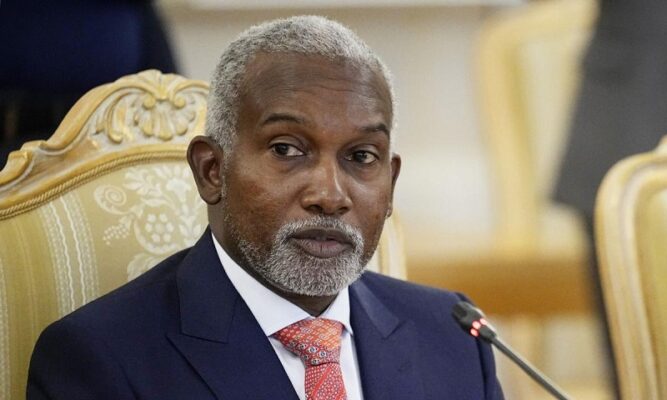
The announcement was made during the Eighth Ministerial Dialogue in Abuja, co-chaired by Yusuf Maitama Tuggar, Nigeria’s minister of Foreign Affairs, and Kaja Kallas, EU High Representative for Foreign Affairs and Security Policy.
These projects reflect a renewed political ambition to strengthen the bilateral partnership between the EU and Nigeria.
Speaking on the partnership, Kallas noted, “In the current geopolitical context, the European Union is keen to enhance its partnership with Nigeria. Bringing more EU investment to Nigeria, aligning with the Renewed Hope agenda of the Nigerian Federal Government, is a key priority for both sides in this regard.”
Read also:Nigeria, Cameroon sign historic bilateral aviation safety agreement
Jozef Síkela, commissioner for International Partnerships, said, “Together with Nigeria, we are investing in the modernisation of the digital sector, a stronger health system, and the development of agriculture. These Global Gateway investments create new quality infrastructure, sustainable jobs, and long-term economic opportunities that benefit the Nigerian people, while also creating new opportunities for Europe.”
The other investment pillars include:
Digitalisation (€131 million)
This funding aims to upgrade connectivity and enhance digital skills. In collaboration with the European Bank for Reconstruction and Development, the EU will support the installation of 90,000 km of fibre optic cable.
This initiative will provide secure, affordable internet to an additional 33 million Nigerians. In addition, the EU will help develop secure digital public infrastructure and support Nigeria’s “3 Million Technical Talent” programme through large-scale training and employment schemes.
Healthcare (€55 million)
This allocation focuses on increasing access to finance for the local production of medicines and vaccines. A new credit line from the European Investment Bank (EIB) will provide preferential loans through the Bank of Industry. Additionally, a vocational training programme will be launched to boost the expertise of the Nigerian workforce in the pharmaceutical sector.
Read also:Oyo seeks German partnership to boost environmental sustainability
Agriculture (€86 million)
The EU will provide local companies in the cocoa and dairy sectors with easier access to finance. Through the EIB and the Bank of Industry, smallholder farmers will receive support for sustainable production. This aligns with Nigeria’s goal to double milk production and develop a sustainable cocoa sector for export to the EU.
Nigeria, EU advance €700m security cooperation, deepen strategic ties
These new commitments build upon existing investments in transport (including Lagos lagoon transportation), renewable energy, and democratic governance. This brings the total Team Europe support signed since 2025 to €962.5 million.

Join BusinessDay whatsapp Channel, to stay up to date
Open In Whatsapp