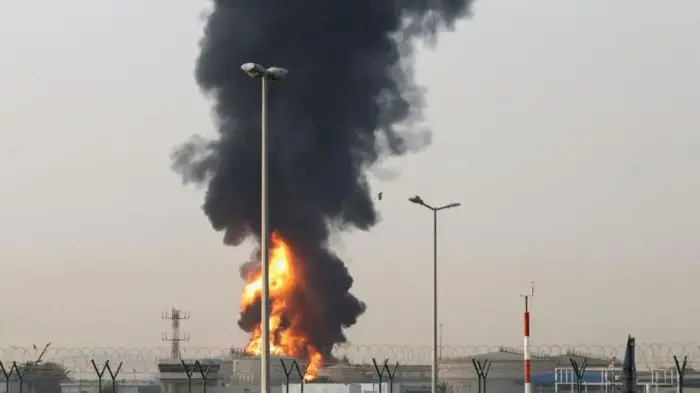
Iranian attacks have knocked out about 17 percent of Qatar’s liquefied natural gas export capacity, dealing a blow estimated at $20 billion in lost annual revenue and raising fresh concerns over energy supplies to Europe and Asia, according to Reuters.
According to an exclusive by Reuters, Saad al Kaabi, Qatar energy minister and chief executive of state-owned QatarEnergy, said the strikes damaged two of the country’s 14 LNG production trains and one of its two gas-to-liquids facilities. The disruption will remove about 12.8 million tonnes of LNG per year from the market for between three and five years.
Read also: Iran missile strike hits world largest LNG plant, triggers fire at Ras Laffan
The attacks mark an unprecedented escalation in regional tensions, with Qatar, one of the world’s largest LNG exporters, now facing prolonged outages at key facilities. “I never in my wildest dreams would have thought that Qatar would be in such an attack,” Kaabi said, expressing shock that the strikes came during Ramadan and from what he described as a “brotherly” Muslim country.
The damage has forced QatarEnergy to declare force majeure on long-term supply contracts, affecting shipments bound for countries including Italy, Belgium, South Korea, and China. Kaabi said earlier declarations had been short-term, but the scale of the latest disruption meant the suspension could now last several years.
Hours before the strikes on Qatar, Iran had launched attacks on oil and gas infrastructure across the Gulf, in what appeared to be a response to Israeli actions targeting its own energy assets. The latest escalation has intensified fears of a broader energy shock, with key infrastructure on both sides coming under fire.
Read also: Trump denies US role in Iran South Pars strike as Middle East energy crisis deepens
QatarEnergy had already halted its full LNG output following earlier attacks on its Ras Laffan production hub, which was struck again this week. Kaabi said a restart would depend entirely on an end to hostilities. “For production to restart, first we need hostilities to cease,” he said.
International energy companies are also exposed. ExxonMobil holds significant stakes in the affected LNG trains, while Shell is a partner in the damaged gas-to-liquids facility, which could take up to a year to repair. The impact is expected to ripple through global markets, particularly in Europe and Asia, where buyers depend heavily on Qatari supply.
Read also: Pentagon seeks $200bn for Iran war — nearly double US spending on Ukraine
With long term contracts now suspended and repairs expected to take years, the attacks risk tightening global gas markets at a time of already heightened geopolitical uncertainty.

Join BusinessDay whatsapp Channel, to stay up to date
Open In Whatsapp