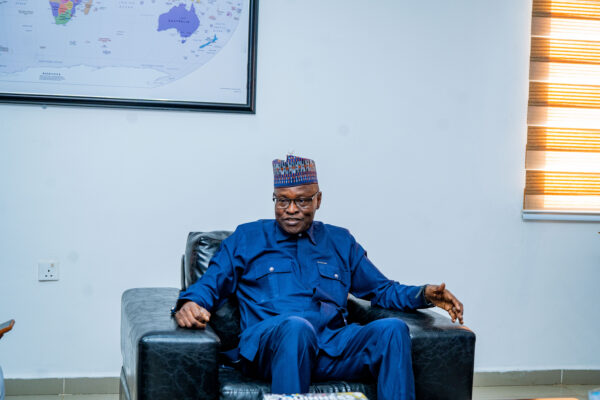
Nile University of Nigeria says its emphasis on skills-based education and stronger collaboration with industry partners is driving graduate employability, with the institution recording a 96 percent employment rate among its graduates.
Dilli Dogo, Vice-Chancellor of Nile University, disclosed this while speaking with journalists in Abuja on Friday to commemorate four years of his leadership at the institution.
Dogo said the university has deliberately focused on equipping students with practical skills and professional competencies required by industries across the world.
“We’ve insisted and ensured that the kind of graduates we produce here can actually work everywhere in the world,” he said.
“So that’s why it’s beyond degrees.
It’s not about what certificate you got, but what you know. your ability, your skill. Because we believe in employability, Nile University has an employability rate of 96%.In other words, almost all our graduates are employed,”
According to him, the university’s training model prioritises practical skills and industry relevance, noting that education must go beyond certificates.
“Education in the 21st century is just not about certificates. It’s about getting people to key into expectations of society and industry,” he said.
He explained that the institution works closely with global professional bodies and companies to ensure that students acquire industry certifications and hands-on experience while still studying.
Dogo added that some students in technology-related fields are already employed through partnerships that provide paid internships and professional training opportunities.
The vice-chancellor noted that such collaborations are helping to prepare students to compete globally, with many already working with international organisations before graduation.
According to him, the institution’s focus on skills development has translated into strong employment outcomes for graduates.
“And as I speak to you, 15 of our students that have completed the internship, mandatory internship, to professionalize them and cover them to accept the workforce anywhere in the world, have been onboarded by their company already. Not onboarded.
“There are six students, but they are already working and being paid. All the internships they provide here are paid internships. They identify skills among the students.
“They onboard them for an internship. They pay them a modest amount. And immediately they are certified and they identify that the prerequisite skills for their workforce is achieved.
“They onboard them onto the company. Continue to pay them as they continue their education. At graduation, they become fully observed as their workforce,” he added.
Dogo also disclosed that the university is expanding its industry collaborations and international academic partnerships to further strengthen the employability of its graduates.
He said the institution is currently receiving increasing partnership requests from universities across the world.
“Today, almost every day I walk into the office, I see requests for partnership across the world,” he said.
The vice-chancellor also revealed plans to expand the university’s presence beyond Abuja with the establishment of a study centre in Lagos to meet growing demand for its programmes.
“We are moving to Lagos to open a study centre because the demand for our services by the private investment companies as well as other universities in Lagos for the kind of education we provide has continued to escalate,” he said.
Dogo noted that the university’s student population has also grown significantly within the last four years.
“Between 2022 and today, Nile University has grown from just about 3,000 students to about 15,000 students,” he said.
He stressed that the university would continue to prioritise skills-based education to address Nigeria’s workforce gap and prepare students for the global labour market.
“So it’s beyond degrees. It’s not about what certificate you got, but what you know,” he said.

Join BusinessDay whatsapp Channel, to stay up to date
Open In Whatsapp