


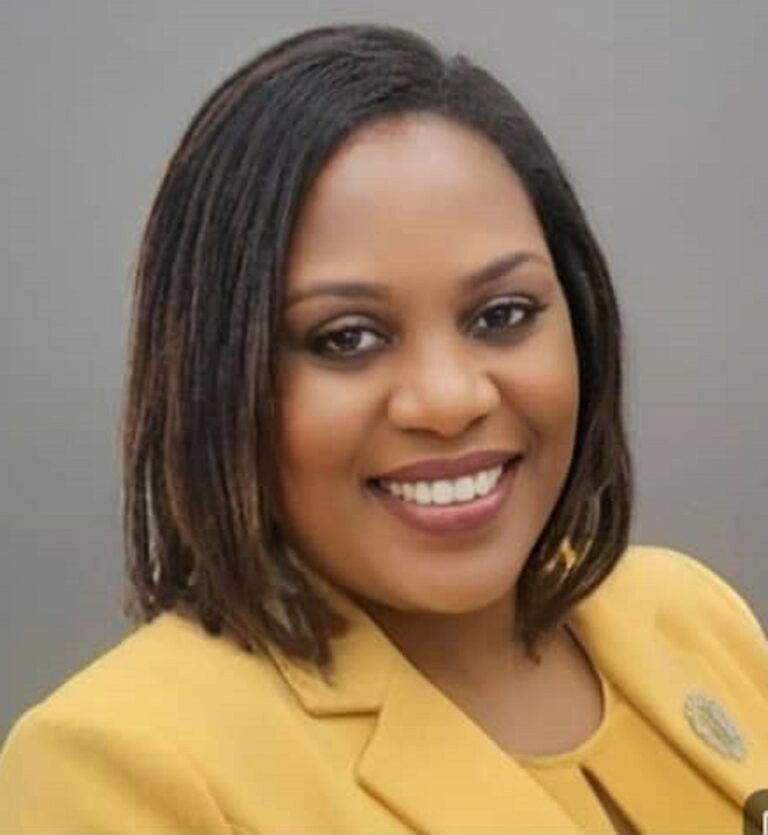
In the hallowed halls of animal science, one of the few names that stands out is that of Olayinka Tawose.
An astute member of the Nigerian Institute of Animal Science (NIAS) and a seasoned livestock consultant, she spoke about the dangers of not securing the farm gate in an interview with our reporter on Monday.
As we navigate the tail end of 2023, the global health community remains haunted by a singular, chilling statistic: over 75 per cent of emerging infectious diseases in humans are zoonotic.
They do not drop from the sky; they cross over from animals.
In Nigeria, our bustling livestock markets and expanding peri-urban farms are the frontlines of this biological war.
If we are to stop the “Next Pandemic,” we must realise that the most effective vaccine isn’t found in a glass vial; it is found at the farm gate, she cautioned.
The Lessons of 2023: A Year of Warnings
This year has been a sobering reminder of our vulnerability.
Only two months ago, Nigeria recorded its first official cases of Anthrax in decades in Suleja, Niger State.
While the prompt response of the Federal Ministry of Agriculture and Rural Development (FMARD) and the Nigeria Centre for Disease Control (NCDC) contained the spread, the incident exposed a critical gap.
The bacteria did not begin in a hospital ward; they began in the soil and the livestock that grazed upon it, she asserted.
While others saw it as a localised veterinary issue, Tawose believes that human health is inextricably linked to animal and environmental health.
Tawose, who is more than an academic, but a sentinel for national biosafety, opined that the outbreaks of Highly Pathogenic Avian Influenza (HPAI) that hit our poultry farms earlier this year, or the persistent threat of Lassa Fever, made the message clearer.
According to her, our current “One Health Strategic Plan (2019–2023)” is reaching its twilight, and as we evaluate its impact, we must admit that while policy has moved forward, the practice at the farm level remains stagnant.
The Farm Gate as a Bio-Shield
Tawose further stated that, to the average Nigerian farmer, “One Health” sounds like academic jargon.
But in practice, it is the difference between a thriving livelihood and a national lockdown.
The One Health model is a multisectoral approach that views the health of humans, animals, plants, and the environment as being interwoven and as such requires collaborative efforts on all fronts to sustain it.
She constantly returned to a central metaphor: The Farm Gate.
To her, this is not merely a physical barrier but a biological “shield” for the nation.
She reiterated that stopping a pandemic at the farm gate requires three non-negotiable pillars: Biosecurity as Infrastructure, the Sentinel Role of the Veterinarian and Livestock Scientists, and the Community-Based Surveillance.
On Biosecurity as Infrastructure, Dr Tawose said: “We must stop treating biosecurity as ‘negligible.’
“A farm without a perimeter fence, a footbath, or a quarantine pen for new arrivals is a revolving door for pathogens.
“This year, we have seen how easily African Swine Fever (ASF) decimated piggeries simply because of shared transport and poor visitor control.”
On the Sentinel Role of the Veterinarian and Livestock Scientists, Dr Tawose said: “For too long, the vet has been seen as ‘firefighters’ called only when animals are dying.
“Under a One Health model, the vet is an intelligence officer. By monitoring the ‘silent’ circulation of viruses in cattle and goats, they can predict human outbreaks months in advance.
“While the livestock scientists are not only focused on increasing carcass weight or milk yield, they gather intel as custodians of animal welfare.
“If a human is hospitalised with a zoonotic disease, the animal scientist has already missed the chance to stop it at the source.”
Commenting on the Community-Based Surveillance, she said: “Our pastoralists and smallholders are the first to see a sick cow or a sudden death in a poultry flock.
“We must empower them with digital tools to report these events instantly, bypassing the bureaucratic lag that allows a local infection to become a national crisis.”
The Economic Imperative
As an astute consultant for sustainable livestock systems, Dr. Tawose dismissed the notion that rigorous livestock health monitoring is a luxury Nigeria cannot afford.
She stated that the economic loss from the 2023 Anthrax scare, which disrupted the “Ponmo” and beef trade, cost billions of Naira in potential revenue.
Research shows that an outbreak involving just 10 per cent of Nigeria’s commercial bird population would incur a loss of almost $250 million.
Preventing the spillover is not just a health strategy; it is a fiscal necessity, she said.
Beyond 2023: The Path Forward
As we look toward the 2024–2028 strategic cycle, Dr Tawose opined that our focus must shift from Abuja boardrooms to the dusty corridors of our livestock markets.
We need a “One Health” tax incentive for farms that implement verified biosecurity measures.
We need to integrate environmental scientists into our agricultural planning to manage how climate change and deforestation are pushing wildlife, and their viruses, closer to our livestock.
“The next pandemic is already a passenger in an undiagnosed animal,” she concluded.
Whether it stays there or sparks a global catastrophe depends entirely on the strength of the gate we build today.
It is time to treat our animal scientists and veterinarians as the first responders they truly are. The farm gate is no longer just the entrance to a business; it is the shield of a nation.

Join BusinessDay whatsapp Channel, to stay up to date
Open In Whatsapp


