Thallium sulphate is an extremely toxic chemical compound made from thallium, a heavy metal, and sulphate ions. It is widely regarded as one of the most dangerous poisonous substances known to science due to its ability to interfere with essential biological processes in humans and animals.
The substance has recently drawn public attention following allegations by Nasir El-Rufai, former Kaduna State governor, who accused Nuhu Ribadu, national security adviser, of importing the chemical substance from Poland, raising concerns about its potential purpose and risks. However, Ribadu has challenged El-Rufai to provide evidence of allegations against him to the Department of State Security.
Read also: El-Rufai queries Ribadu over alleged importation of colourless, odourless poison from Poland
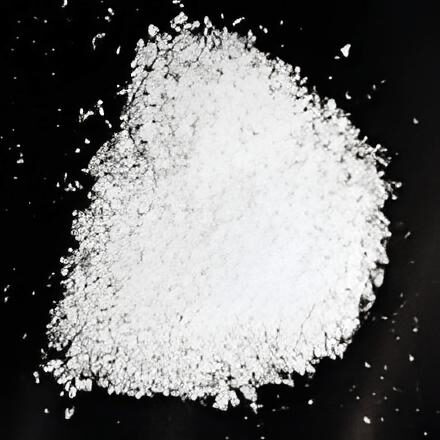
What is Thallium Sulphate?
Thallium sulphate has the chemical formula Tl₂SO₄ and appears as: A white, crystalline, odourless powder, highly soluble in water, making it easy to ingest unknowingly, colourless and tasteless, which historically made it attractive for use as a poison.
Because it dissolves easily and has no smell or taste, victims may not realize they have been exposed until symptoms appear.
Thallium itself is classified as a heavy metal, similar to mercury and lead, but is far more acutely toxic.
What was thallium sulphate originally used for?
Historically, thallium sulphate had legitimate industrial and agricultural uses, including:
Rat poison and pesticide
It was widely used in the early-to-mid 20th century as a rodenticide. Effective because it kills rats and pests even in very small quantities. Later banned in most countries due to the danger to humans.
Industrial applications
Although thallium sulphate itself is less commonly used today, thallium compounds generally are used in: Electronics manufacturing, optical lenses, infrared detectors, and semiconductor production.
Due to safety concerns, its commercial and public use is heavily regulated or banned in many countries.
How harmful is thallium sulphate to humans?
Exposure to thallium sulphate can have devastating effects on human health. Early symptoms often include stomach pain, vomiting, and diarrhea, which can easily be mistaken for food poisoning or infection.
As the poison spreads, it begins to attack the nervous system, causing numbness, muscle weakness, and severe nerve pain. One of the most distinctive signs of thallium poisoning is sudden hair loss, which typically occurs days or weeks after exposure. In more severe cases, it can cause organ failure, paralysis, coma, and death.
The substance is especially feared because of how difficult it can be to detect. Its lack of colour, smell, or taste allows it to be consumed unknowingly, while its symptoms may initially resemble common illnesses. This has made it notorious in criminal history.
There have been documented cases around the world where thallium compounds were used in deliberate poisoning, including high-profile murder cases in Europe and elsewhere. In some instances, victims fell ill mysteriously before investigators traced the cause to thallium exposure after noticing unusual symptoms such as hair loss and nerve damage.
One of the most notorious cases involved British serial poisoner Graham Young in the 1960s and 1970s. Young used thallium to poison coworkers, causing severe illness and death. His crimes were only discovered after victims experienced unexplained hair loss.
During the Cold War, thallium and other heavy metals were reportedly used by intelligence agencies globally due to their difficulty to detect.
Because of its extreme toxicity and limited legitimate uses, any reported procurement or importation of thallium sulphate often attracts scrutiny from public health, regulatory, and security authorities. The substance’s history as a deadly poison and its capacity to cause serious harm explain why allegations involving its acquisition can trigger public concern and demand for transparency.

Join BusinessDay whatsapp Channel, to stay up to date
Open In Whatsapp