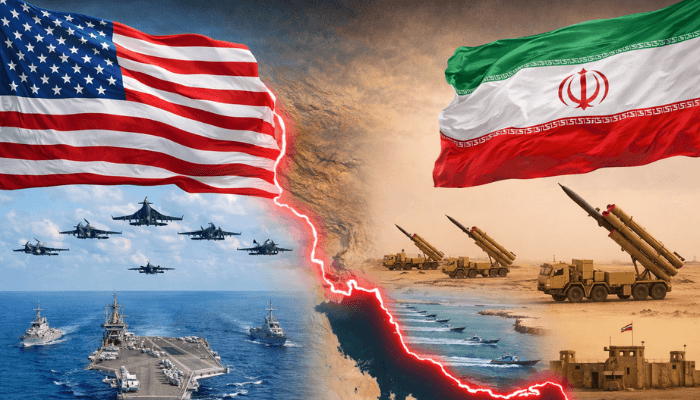
A fragile pause has taken hold in one of the world’s most dangerous flashpoints, as the United States and Iran agree to a two-week ceasefire after 40 days of intense fighting that drew in Israel and pushed the region close to a wider war.
The truce, brokered by Pakistan, follows weeks of air strikes, missile attacks and rising threats that disrupted global shipping routes and sent shockwaves through energy markets. It is the first meaningful break in hostilities since the conflict escalated in late February, offering a narrow window for diplomacy to take hold.
Read also: WORLD IN BRIEF: Trump pauses Iran war, UK bars Kanye West, Madagascar declares energy emergency and other stories
Shehbaz Sharif, Pakistan’s Prime Minister announced the agreement, saying both sides had shown restraint and remained engaged in efforts to restore stability.
“Both parties have displayed remarkable wisdom and understanding and have remained constructively engaged in furthering the cause of peace and stability,” he posted on X.
Talks are now expected to begin in Islamabad, where negotiators will try to turn this temporary halt into a longer-term deal.
At the centre of the ceasefire is the re-opening of the Strait of Hormuz, a critical corridor through which roughly one-fifth of the world’s oil and gas passes. Iran had effectively shut the route during the conflict, triggering a surge in global prices. Its decision to allow shipping to resume, even temporarily, has eased immediate pressure on energy markets.
What the United States has agreed
Under the deal, the United States has paused all military strikes on Iran for two weeks. President Donald Trump said Washington’s objectives had been met and described a proposal from Tehran as a workable basis for further negotiations.
“Almost all of the various points of past contention have been agreed to between the United States and Iran, but a two-week period will allow the Agreement to be finalised and consummated,” he said on his social media platform Truth Social.
Read also: The war in Iran and its ripple effects on international energy markets
He suggested that most major disputes had already been addressed in principle, though details remain unclear. A key sticking point is Iran’s nuclear programme. Trump insisted any final agreement would resolve concerns over Tehran’s nuclear stockpile, while warning that military action could quickly resume if talks fail.
“That will be perfectly taken care of, or I wouldn’t have settled,” Trump told AFP. Iran insists it is not seeking to build nuclear weapons but says it is willing to negotiate limits on its nuclear activities in return for sanctions relief.
Notably, Washington has not publicly committed to several demands allegedly raised by Iran, including lifting sanctions, releasing frozen assets or reducing its military presence in the region.
What Iran has agreed to
Iran has accepted the ceasefire on the condition that US and Israeli attacks stop. Its foreign minister, Abbas Araghchi said Tehran would halt its retaliatory operations during the two-week period if the truce holds.
“If attacks against Iran are halted, our powerful armed forces will cease their defensive operations,” Araghchi posted on X.
Tehran has also agreed to allow ships to pass through the Strait of Hormuz again, though it says access will be coordinated with its armed forces. This suggests Iran intends to retain influence over the vital waterway, even during the pause.
Reports indicate Iran may impose transit fees on ships using the route, with revenue potentially directed towards rebuilding after the war. Pro-Iran armed groups in Iraq have also announced a temporary halt to their attacks, signalling broader alignment with Tehran’s position.
Read also: WORLD IN BRIEF: Trump says Iran war goals nearly met, Iran tells Americans ‘no enmity’, Ghana inflation eases again and other stories
What Israel has said
Israel has backed the ceasefire in principle but signalled limits to its commitment. Prime Minister Benjamin Netanyahu said the pause would not apply to Israel’s operations against Hezbollah or its ongoing military activity in southern Lebanon.
That position appears to contradict earlier suggestions that the ceasefire could extend beyond Iran, raising fresh uncertainty about how far de-escalation will go. Israeli strikes in Lebanon have continued despite the announcement, underlining the fragile nature of the agreement.
The unresolved issues
Despite the breakthrough, major disagreements remain. Iran is believed to be seeking sweeping concessions, including sanctions relief, recognition of its nuclear programme and compensation for wartime damage. It has also pushed for a reduced US military footprint in the region and formal guarantees through the United Nations.
So far, there is little indication Washington is prepared to accept these terms in full. The gap between both sides on core issues remains wide, even as they agree to keep talking.
What happens next
Attention now shifts to Islamabad, where negotiators are due to meet under Pakistani mediation. The talks will determine if this brief pause can evolve into a lasting agreement or if it will merely postpone another round of fighting.
For now, the ceasefire offers breathing space in a conflict that has already shaken the region and the global economy. Whether it becomes a turning point or just an interlude will depend on what happens at the negotiating table in the days ahead.

Join BusinessDay whatsapp Channel, to stay up to date
Open In Whatsapp