The United States and Iran exchanged military strikes for a second consecutive day on Thursday, deepening fears that a fragile ceasefire reached in April could collapse and push the region back into a wider conflict.
The latest escalation came as Donald Trump, United States president, warned Tehran to agree to a peace deal immediately or face further military action. According to Reuters, the renewed fighting followed days of rising tensions after a US Apache helicopter crashed near the Strait of Hormuz earlier this week, triggering a series of retaliatory attacks across the Middle East.
Read also: US launches new strikes on Iran after helicopter downed
The US military said it carried out what it described as “self-defence strikes” against military surveillance systems, communication networks and air defence sites in southern Iran.
According to US Central Command, the operation was launched in response to what it called Iran’s “unwarranted and continued aggression” against American forces and interests in the region.
Trump signalled that the current round of strikes could end soon but warned that military action would resume if Tehran failed to reach an agreement with Washington.
Read also: fears-of-wider-war-grow-as-iran-israel-launch-new-attacks
According to Fox News correspondent Trey Yingst, Trump said the bombing campaign would stop shortly but added that he would order fresh attacks if Iran’s leaders did not sign a deal immediately.
The threat rattled energy markets, with Brent crude oil rising to about $95 per barrel as investors worried that a prolonged conflict could disrupt global supplies.
Iran responded swiftly. The Islamic Revolutionary Guard Corps said it launched attacks against 18 US military targets, including bases in Bahrain and Kuwait, as well as facilities linked to the US Navy’s Fifth Fleet.
Read also:
Iranian state media also reported that ballistic missiles were fired at the Muwaffaq Salti Airbase in Jordan for a second consecutive night.
The Revolutionary Guard claimed it had destroyed a large number of US fighter jets and military facilities. Those claims could not be independently verified.
In Bahrain, authorities said debris from intercepted Iranian drones damaged homes and vehicles in Manama and Hamad Town.
Bahrain’s interior ministry said an 11- year old girl suffered minor injuries after falling debris struck residential areas. Air raid sirens were activated across the kingdom as defence systems intercepted incoming threats.
Kuwait briefly closed its airspace following the attacks, while regional governments remained on high alert amid fears of further escalation.
The confrontation has also intensified tensions around the Strait of Hormuz, one of the world’s most important energy routes.
Iran’s senior military command warned that any vessel attempting to pass through the waterway could come under attack. Iranian media claimed two US ships had been fired upon.
The US military rejected those reports.
US Central Command said commercial shipping continued to move through the strait and denied that any American vessels had been hit.
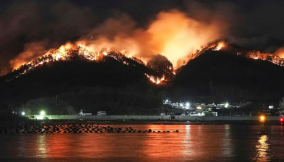
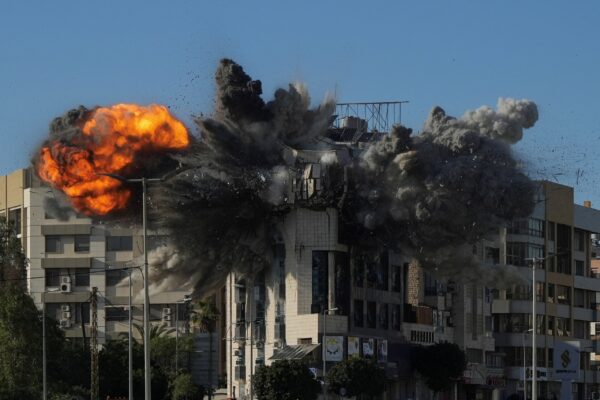
Meanwhile, Iranian media reported explosions in several cities, including Bandar Abbas, Minab, Sirik and Karaj, as US strikes targeted military infrastructure across the country.
The latest exchange of fire marks the most serious challenge yet to the ceasefire agreed between Washington and Tehran in April. Diplomatic efforts to secure a permanent peace agreement have stalled in recent months, with both sides accusing each other of undermining negotiations.
As military activity intensifies and oil prices climb, international concern is growing that the conflict could once again spread across the region, threatening both regional stability and global energy markets.

Join BusinessDay whatsapp Channel, to stay up to date
Open In Whatsapp