…Trump calls for a ceasefire
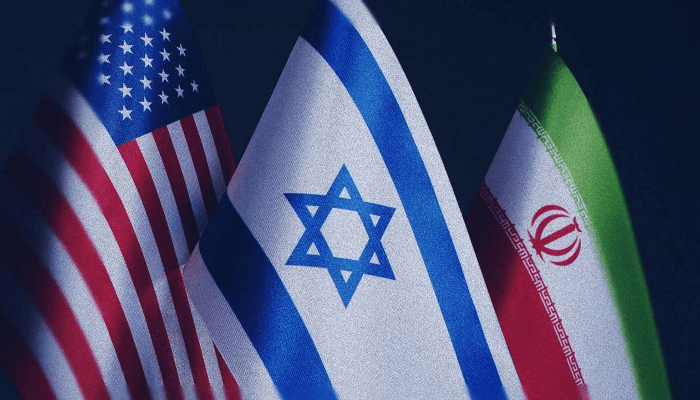
Iran and Israel traded fresh attacks on Sunday, shattering months of relative calm and raising fears of a wider regional conflict, as Tehran warned that Israel’s continued military campaign in Lebanon would trigger further retaliation.
Multiple waves of Iranian missiles targeted Israel overnight in what Iran’s Islamic Revolutionary Guard Corps described as the “beginning of a full week of continuous strikes”. The attacks came hours after Israel launched airstrikes against Hezbollah targets in southern Beirut, saying it was responding to rocket fire from the Lebanese militant group.
Read also:iran-rejects-asset-claims-israel-strikes-beirut-49-die-in-niger-desert
The exchange marked the first direct military confrontation between Iran and Israel since a ceasefire took effect in April, reigniting concerns that the conflict could spread further across the Middle East.
Iran said its latest attacks were a response to Israel’s ongoing operations in Lebanon, where Israeli forces have continued striking Hezbollah positions despite a United States-brokered ceasefire that ended their 2024 war.
The latest escalation follows an Israeli strike in southern Lebanon on Saturday that killed two Lebanese army officers and a soldier. Among the dead was Brigadier General Wissam Sabra, whose funeral was held on Sunday.
Read also: flights-suspended-as-iran-drone-attack-hits-kuwaiti-airport-causing-injuries
The Israeli military said it targeted the military vehicle after identifying what it described as a threat to its forces and receiving intelligence that Hezbollah fighters were preparing to launch attacks from the area.
The Lebanese army has largely remained outside the conflict between Israel and Hezbollah and has not taken part in the fighting.
As tensions mounted, Donald Trump, the United States president, publicly urged restraint, saying neither side should continue military action.
“The Iranian strikes didn’t hurt anybody,”
Trump said before Israel launched retaliatory attacks.
“Each of them had their fun. Israel had its strike and Iran had its strike. We don’t need another one.”
Hours later, however, the Israeli Defence Forces announced strikes on military targets in western and central Iran. Explosions were reported in Tehran, Tabriz and Isfahan, while Israel said it had also struck a petrochemical facility in the south-western city of Mahshahr.
Iran’s Revolutionary Guard later claimed responsibility for a missile attack on a petrochemical plant in Haifa, northern Israel.
According to Iran’s Tasnim news agency, the Guard said the strike was retaliation for Israel’s attack on the Mahshahr facility and warned that attacks on energy infrastructure could have serious consequences for the global economy.
Read also: world-cup-iran-team-arrive-in-mexico-amid-tight-security
Iran has long argued that its ceasefire arrangement with the United States and Israel should extend to Lebanon. Israel rejects that position, insisting that its campaign against Hezbollah remains separate and will continue.
Meanwhile, Iran accused Washington of bearing responsibility for Israel’s actions. Foreign ministry spokesman Esmaeil Baghaei said Israeli operations and what he described as contradictory messages from American officials had undermined efforts to reduce tensions.
“The consequences of escalating tensions will also be on the US,” Baghaei told reporters in Tehran.
Baghaei also said communication between Tehran and Washington had continued despite reports that Iran might suspend contacts in protest over Israeli strikes in Lebanon. He said Pakistan remained involved in mediation efforts between the two sides.
In Israel, officials defended the military response. Alex Gandler, spokesperson for the Israeli embassy in the United Kingdom, said Israel would welcome an agreement between the United States and Iran if it addressed Israeli security concerns.
“We want a ceasefire with Lebanon,” Gandler told BBC Radio 4’s Today programme.
He argued that Hezbollah had violated an existing ceasefire and said the militant group continued to pose a threat to Israel.
The renewed hostilities have prompted calls for restraint from the European Union, Canada and other Western governments, amid growing concerns that the confrontation could trigger a broader regional crisis.

Join BusinessDay whatsapp Channel, to stay up to date
Open In Whatsapp