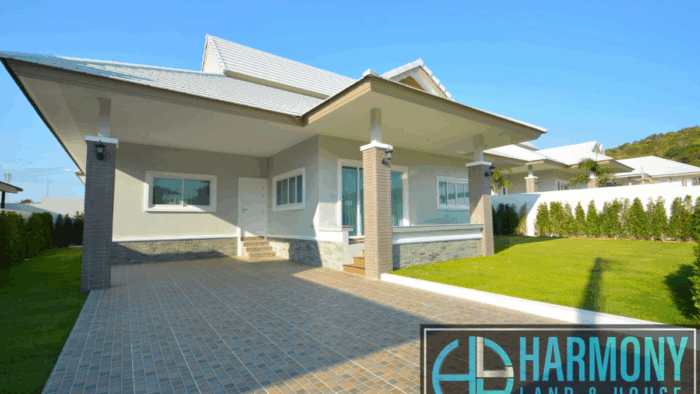
In Nigeria, renting is like a creed. Well over 50 percent of the country’s estimated 230 million population lives in rented accommodation. Renting is a global phenomenon, but Nigeria has a peculiar case, which is made worse by its very low homeownership level.
Whereas home ownership level is 84 percent in Indonesia, 75 percent in Kenya, and 56 percent in South Africa, it is only 25 percent in Nigeria, whose population, according to United Nations projections, will hit 400 million by 2050.
Renting is not a bad practice, more so when people don’t rent as a matter of choice. What is worrisome about it is that some tenants rent forever, in which case it becomes a trap and an enemy of wealth.
According to Udechukwu Uzor, a property market analyst, “renting forever is not just a financial leak, it is also a wealth killer. It’s the single biggest reason middle-income earners in Nigeria rarely cross into lasting affluence.
Uzor describes rent as a one-way street in which money goes and never comes back, pointing out that every N1 million a tenant pays in rent is gone forever; it does not build equity, create wealth, or give the tenant ownership rights, but simply enriches his landlord.
These situations explain why tenants should feel uncomfortable in their landlords’ houses, constantly thinking of where to find and how to free themselves from the rent trap.
One of such places to look out for is Harmony Garden and Estate Development Limited, which has fully-finished 3-5 bedroom homes at its GranVille, Lekki Aviation Town, Parliament, and Majestic Bay estates, where it offers what it calls ‘Ibile Traditional Mortgage System.’
Among other house types, the developer offers 3-bedroom bungalows with Boys Quarters (BQs) that sell for N94 million per unit. Officials of the company say that every property comes with verified Certificate of Occupancy (C of O), while all homes are fully finished with modern infrastructure, gated security, premium amenities, and Boys Quarters.
According to the officials, when a prospective buyer pays 10 percent of the value of the property, which is N9.4 million, he secures his future. His home is secured; he is no longer a tenant hoping to own someday, but a homeowner in progress.
When the buyer pays 30 percent, that is N28.2 million, he gets official allocation, and the property is legally his. When he pays 50 percent, which is N47 million, he is given the key to the house, and he moves in, while still paying the balance. He now spreads the remaining 50 percent over five years at 9.9 percent annual interest rate.
The officials say this offer is for any tenant who is tired of renting and is ready to own; who earns a stable income but doesn’t have N94 million cash sitting in his account; who wants a structured, realistic payment plan that fits Nigerian realities; who values verified documentation and legal clarity, and who is ready to start with 10 percent and build from there.
For those who may think that N9.4 million is too much as deposit, the officials say they should compare that to rent. “If you’re paying N2-3 million yearly in rent, that’s N10-15 million over 5 years with nothing to show for it. Here, N9.4 million secures an asset that appreciates while you pay the balance,” they explained.
For those who may not be able to complete the 30 percent or 50 percent deposit, the system is designed around their pace. They are not rushed. The structure supports gradual progress
As for the 9.9 percent interest on the balance, the officials defended it, saying that most Nigerian banks charge 18-25 percent annually on mortgages. “At 9.9 percent, you’re paying almost half of what traditional lenders demand,” they stated.

Join BusinessDay whatsapp Channel, to stay up to date
Open In Whatsapp