Transmission Company of Nigeria (TCN) says it restored full supply of power to the national grid at 4:54pm on November 9, 2019, after the partial system collapse that occurred at 11.15pm on Friday, November 8, caused by tripping of some transmission lines.
It also said during the entire period, the nation did not experience full loss of supply at the same time hence a partial collapse, explains Ndidi Mbah, general manager, public affairs at TCN.
TCN said the incident was caused by the tripping of the Lokoja – Gwagwalada transmission lines 1&2 on power swing, due to causes yet to be determined, and the tripping of the Onitsha – Alaoji transmission line on overcurrent. These made the grid to operate in two parts, with the second part which is the Western and Northern axis experiencing outage. Efforts immediately commenced to bring the Western and Northern axis back into circuit, and as soon as that was almost complete, meaning supply was available most of the areas, the Eastern axis went out.
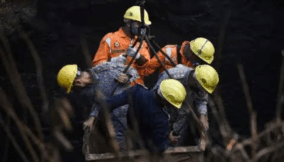
According to the statement, as TCN went on to fully complete the restoration of the Western/Northern axis, it equally began the restoration of supply to the Eastern axis of the grid. When the grid was almost fully normalized, there was a fire incident at the Onitsha Substation which necessitated the isolation of that substation, to save lives and properties.
READ ALSO: Businesses, lives suffocate as corruption perpetuates Apapa gridlock
At this stage, because the grid had not fully stabilised, the shutting down of Onitsha substation, led to the tripping of some power stations connected to the grid and supply loss in the North and Western axis. Through the period of the power restoration process however, some other power stations equally tripped while others continued to supply the grid. This means that there was no one time that the entire grid was down at the same time as TCN effectively utilized power from the power generating stations not directly affected by the incident to attempt to stabilise the grid.
TCN further noted that what had been described in the media as a second collapse does not exist as the process of restoration was still ongoing, during which technical hitches are expected.

Join BusinessDay whatsapp Channel, to stay up to date
Open In Whatsapp