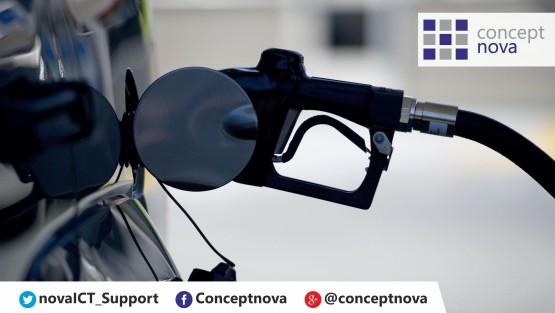
Fuel scarcity has always been with us, not minding that we are one of Africa’s largest oil producers. As a matter of fact, Nigeria has always been the number one in Africa until recently when Angola overthrew us. Notwithstanding, fuel scarcity and the resultant increase in prices is one challenge we deal with often.
When it comes to cutting back on fuel consumption in relation to cars, certain measures are important. It usually starts with the type of vehicle you buy. If you are yet to decide, then I recommend you chose the most fuel efficient vehicles. Fuel consumption of similar-sized cars can vary by as much as 45 percent and by choosing the most fuel efficient car in its class, rather than the one with the average emissions; you can reduce overall fuel consumption by 24 percent. Nonetheless, if you already bought the car without considering the fuel consumption capacity, certain things you can do to help you cut back is what I recommend.
When buying fuel, do it wisely. Do not always top off rather use the right grade of gasoline. You can confirm this from the vehicle owner’s manual. Always ensure that your fuel fill cap is screwed on tight and working right. If you notice any leaks change it. As much as possible, find stations that sell at the regulated price and the closer to your home they are the better. It makes little sense to live in a place like Ikorodu, for instance and go all the way to Epe to buy fuel. NNPC stations sell at N86 while others ought to sell at N86.50. Small independent marketers are always adjusting their prices as soon as there is scarcity, but major marketers like Total, Mobil, Oando, Forte Oil may take longer to adjust.
Pay more attention to how efficient your vehicle is working. Problems like an under-inflated tyres increases drag on the car which will consume more fuel. Maintaining the correct tyre pressure can boost efficiency by as much as 3 percent. Carry out a weekly tyre pressure check to make sure they’re pumped up to correct pressure. Second, dumping your belongings in your car causes unnecessary weight which increases difficulty to accelerate and requires more fuel. Third, traffic is almost inevitable in most cities in Nigeria. Be mindful of the traffic ahead and slow down early by gently lifting your foot off the accelerator while keeping the car in gear. This helps the vehicle operate more efficiently. Revving up unnecessarily will only waste fuel and increase engine wear. Today’s car engines are designed to be more efficient from the time they are switched on. Use your gear wisely by changing up a gear a little earlier.
Go easy on the air-conditioner. Agreed, the weather has become increasingly hot and sticky, particularly if you have to drive for long distances, but driving all through with the air-condition turned on is sure to guzzle fuel just as quickly. At low speeds, you can open the windows, but as soon as the car hit 50-70mph it becomes better to reduce drag and turn on the air-condition. Using air-conditioners increases the fuel cost to 21 percent from 13 percent. If it’s cool enough, use the flow-through ventilation instead of rolling down the windows or using the AC.
Minimize vehicle idling. When you idle, what you are doing is increasing your fuel cost. Despite popular believe, idling is not the best way to warm up a vehicle. Most of them these days are designed to warm up almost immediately they are switched on. If you are going to be parked for more than ten seconds, turn off the engine.
Cut down on the miles you drive. If you must make deliveries or meet appointments in different locations every day, changing the routine can significant reduce the cost of fuel. Why not try fixing appointments in one location or closer to each other? It will pay you more to drive smoothly, slow down naturally rather than using the brakes.
Following these recommendations you will realize you don’t have to spend all your salries on buying fuel.
FRANK ELEANYA

Join BusinessDay whatsapp Channel, to stay up to date
Open In Whatsapp